A Christian Journey Through Trauma Caused by Persecution
ABOUT THIS COURSE
Many people experience painful events in life that leave lasting emotional scars. For those who have faced religious persecution, trauma can stem from experiences such as arrest, interrogation, or unjust treatment—often causing deep psychological wounds. True healing from such pain requires God’s grace, the care of loved ones, and at times, the guidance of professional counsellors.
This online video course, led by Rev. Dr. Sasan Tavasoli, helps participants understand the nature of psychological pain and the trauma that results from persecution. Through biblically grounded teaching and practical insights, the course encourages individuals to face their experiences honestly, recognise the depth of their wounds, and explore steps toward healing. It equips participants not only to find personal recovery but also to support and serve others who have suffered for their faith.
A short introduction
by course presenter
THE TOPICS THIS COURSE COVERS
- The reality and nature of trauma
- The Impact of Trauma
- The Journey of Recovery
- Walking with God in the midst of our suffering
- The Psalms and trauma: The Psalms as a source of healing
- Establishing Safety and Self-care
- How to Talk about Trauma: Telling your story in a Safe relationships
- Returning to life and building a new future
- Post-Traumatic Growth
- The role of family and church in supporting trauma survivors
HOW DOES IT HELP?

Understand Trauma

Recognise the Signs

Respond with Wisdom

Develop Safety Strategies

Rebuild a New Future

Deepen Spiritual Sensitivity

Be Strengthened in Service
Who is the course for?
The ability to read English-language materials will be an advantage for those wishing to go further in their studies. This is a pre-recorded course and participants can study it on their own pace at any time that suits them.
Who is the course for?

Share this course with others
What do people say about this course?
* For security reasons some names and photos have been changed
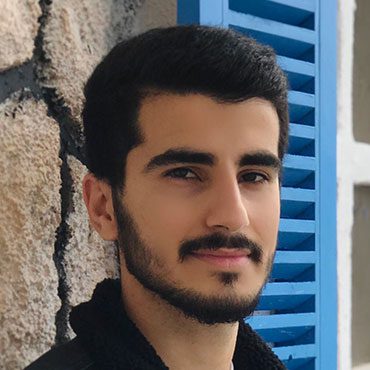
Saman
Former house-church leader, now involved in ministry
“The conference has offered me a long-lasting refreshment. I am still in contact with some of the pastors I met in the conference; they help me to continue learning. My friends say I have became stronger since I attended the conference. I try to apply what I learned in the conference. Every day I learn something new.”
“I was very encouraged by the invitation to this conference and I am very encouraged to hear that my story is shared and that people pray for me. You can’t imagine how much it means to me to know that I am not alone in this.”

Vahid
Former house-church leader, now pastor of a church of 200
“It was a joy for me to visit part of the conference. As a former prisoner, I have often felt alone and thought nobody cared about me. This conference proved me wrong. In daily life I find it difficult to talk about my time in prison; it’s a horrible story. And as a leader it’s a big temptation to pretend you are stronger than you actually are.”
“In the conference I met people who went through the same experience as me. We understood each other. We learned from each other. I cried a lot, but I was also comforted a lot. To heal from my experience is a painful process. Some wounds are healed, others not yet. But with the experiences and teachings at the conference I have become stronger, also as a leader.”
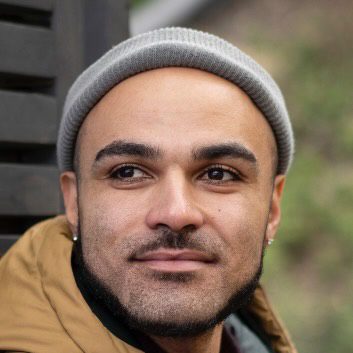
Soroush
Former house-church teacher, now counselling fellow Iranian believers in diaspora
“The conference has been a good start to my healing process. Day by day my wounds are healed more. After my imprisonment the stress of the memories caused me to suffer from dizziness. After a while this disappeared, but it came back when I started counselling fellow believers, a task that included lots of emotions.”
“In the conference I learned how to create a safe space for myself. While I am counselling people, they sometimes drag me all into their problems. Now I have learned to keep a certain distance. In the long run this will mean I can do more for them. Creating this safe space has helped me stay healthy in the last months while I continued counseling and there was a conflict in church. Despite the many emotions, I stayed physically and mentally healthy. I wasn’t dizzy anymore.”
“Sharing about my prison time also reminded me about the lesson God thought me there: ‘Be silent, I will be close to you.’ I try to apply that lesson to my life again. I don’t want to speak up anymore just to receive recognition from other people. I don’t want others to see me as an important person because I spent time in prison for my faith. I am no more than any other Christian: I need God, just as all of us do. And I need Him now too. So I try to focus on Him first.”
SELECTED BIBLIOGRAPHY
- Baldwin, Jennifer, Trauma-Sensitive Theology.
- Herman, Judith, Trauma and Recovery.
- Holdsworth, John, Dwelling in a strange land.
- Jones, Serene, Trauma and Grace: Theology in a Ruptured World.
- Keller, Tim, Walking with God through Pain and Suffering
- Langberg, Diane, Suffering and the heart of God: How trauma destroys and Christ restores.
- Rambo, Shelly, Spirit and Trauma.
- Rambo, Shelly, Resurrecting Wounds.
- Rosenbloom, Dena, and Williams, Mary Beth, Life after Trauma.
- Scazzero, Peter, The Emotionally Healthy Church.
- Schmelzer, Gretchen L, Journey Through Trauma.
- Wibbels, Marti, Core Healing from Trauma.