Iran
Overview
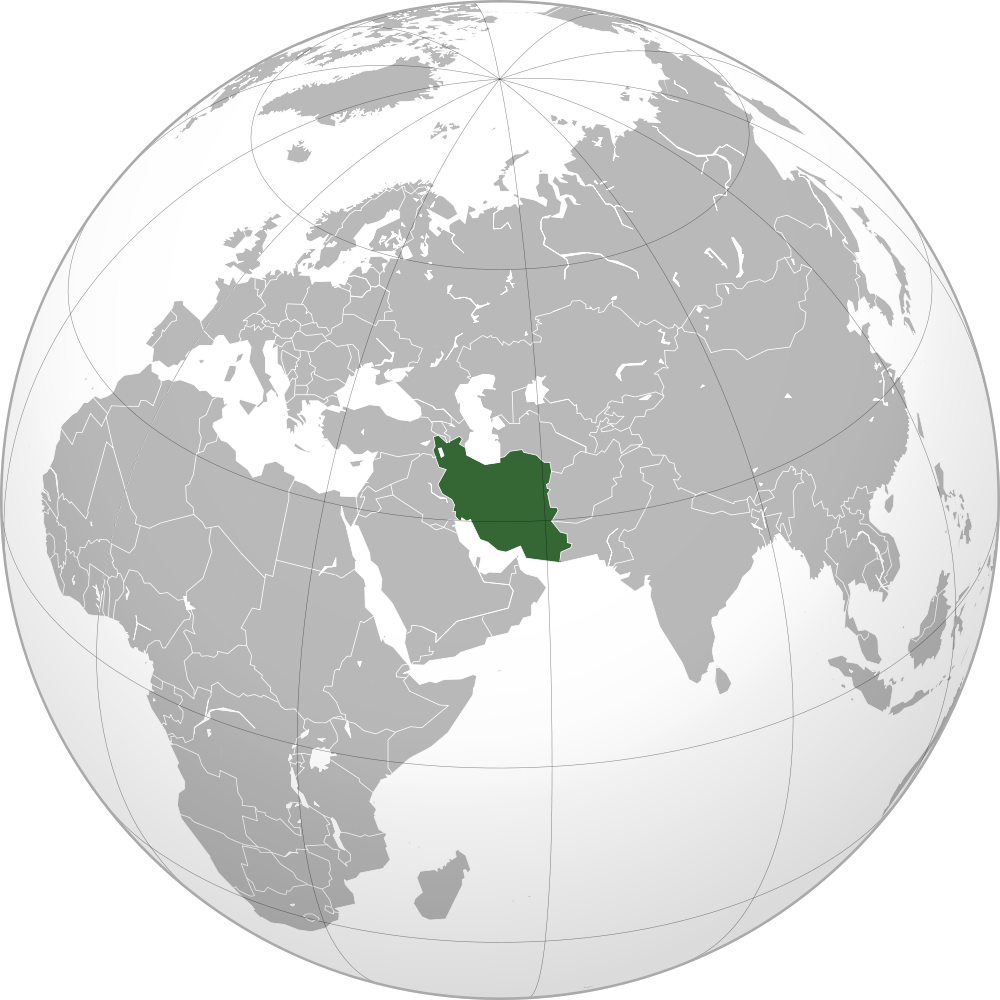
Iranian authorities heavily suppress the right to freedom of religion or belief. Iranian Christians continue to face arbitrary arrest and detention, grossly unfair trials and lengthy imprisonment. Lack of due process, unfair trials, widespread torture and other ill-treatment of prisoners has been widely reported. Officially recognised churches are subjected to increasingly restrictive controls and effectively banned from using the Persian language in their activities. The authorities continue to raid “house churches” and publicly vilify evangelical Christians – thereby endorsing brutal security measures against them. Forcible closure of businesses owned by Christians, confiscation of properties, bans on employment in the public sector and denial of access to universities are also among the reported violations of freedom of religion.
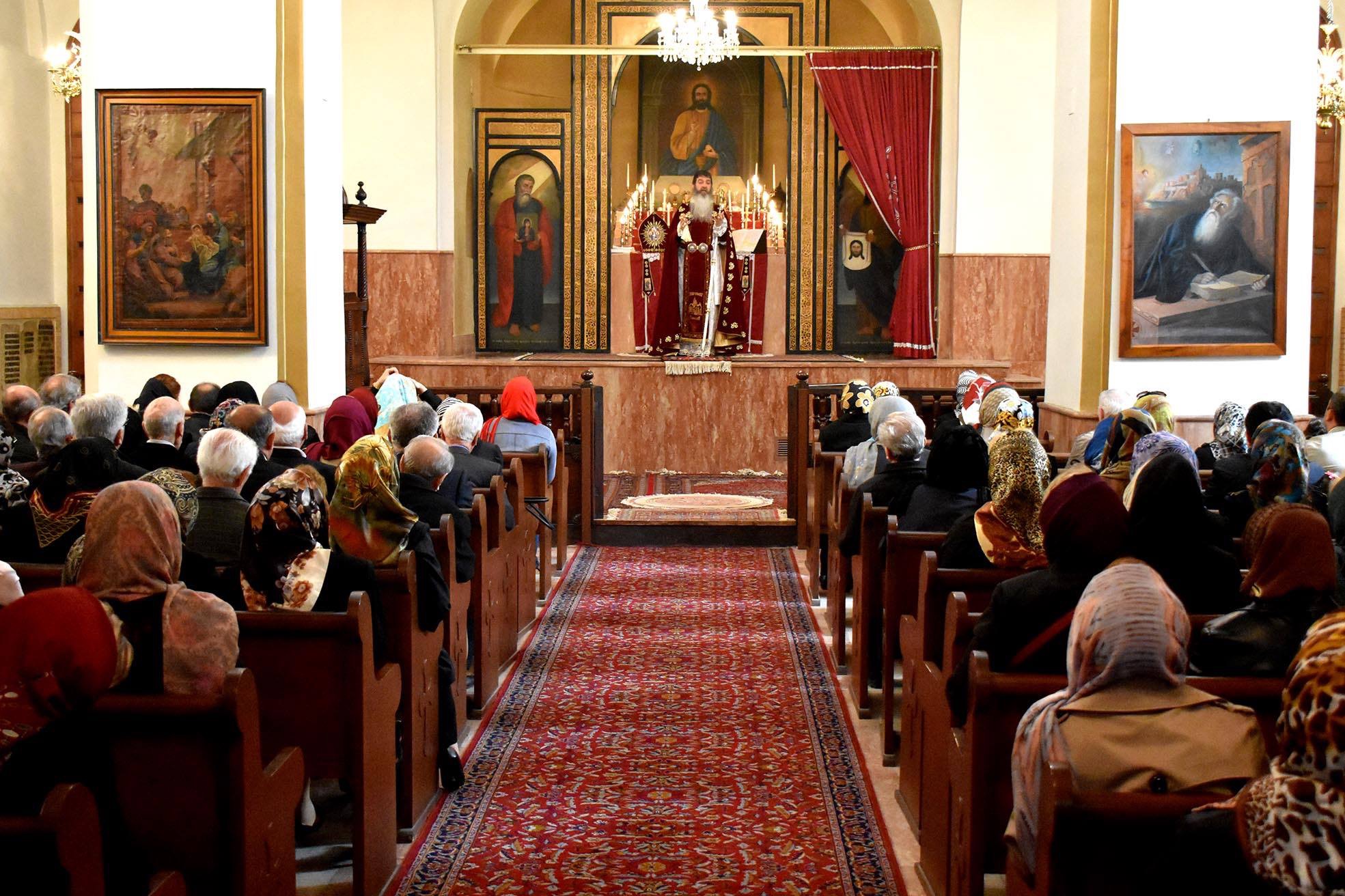
Armenian Orthodox church service in Tehran
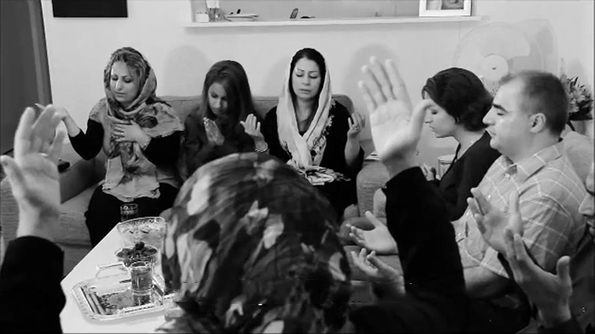
Iranian Christians worship in a house-church
Background
Iran’s Constitution establishes Iran as an unalterably Islamic state (Twelver Ja’fari school) and establishes Islamic law as the basis of all legislation. Increasingly a strict interpretation of Shi’a Islam has been imposed by authorities on individuals of all faiths as a code of public conduct.
The Constitution provides religious-minority status to Christians, Jews and Zoroastrians, and states that the human rights of non-Muslims are to be respected as long as they refrain from activities against Islam or the Islamic Republic of Iran. These three recognised religious minorities have parliamentary representation and are entitled to establish and use their own rites in matters of personal status. The principle of non-discrimination is affirmed, and article 23 states that the “investigation of individuals’ beliefs is forbidden”.
Although the Penal Code does not stipulate the death penalty for apostasy (a proposed amendment to the Code to criminalise apostasy was not adopted in the 2013 amendments), Article 167 of the Constitution makes provision for judges to rely on authoritative Islamic sources in matters not covered by the codified law – effectively providing scope for Islamic law sanctions to be applied for apostasy. The only known example of a Christian convert being executed for apostasy was Rev Hossein Soodmand in 1990, though others have received the death sentence only to see it overturned after an international outcry.
Iran ratified the International Covenant on Civil and Political Rights (ICCPR) on 24 June 1975. The ICCPR upholds the right to freedom of religion, including the right to hold a religion of one’s choice and the right to manifest that religion (Article 18). It also upholds the rights of minorities and the principle of non-discrimination. Iran’s ratification of the ICCPR was made without reservation.
Although Iran is party to ICCPR and other international covenants that provide for freedom of religion or belief, several Christians, Bahá’ís, Sufi Dervishes and Sunni Muslims have been killed judicially and extra-judicially, tortured, imprisoned or generally harassed on account of their faith.
Main sources of persecution of Christians in Iran
Since the 1979 revolution, Iran’s religious minorities have suffered increasing human rights violations, with the persecution of Muslim converts to Christianity in particular escalating since 2009. This has placed Iran among the top-10 persecutors of Christians since 2011, according to the World Watch List produced by Open Doors International.
Persecution of Christians in Iran comes mostly from the state. Hardliners within the Iranian regime are increasingly concerned about the spread of Christianity, and see evangelical Christians as a threat. Since 2010, political leaders, including Iran’s Supreme Leader, have issued warnings about the “house church” movement as a destabilising factor threatening the future of their theocratic state.
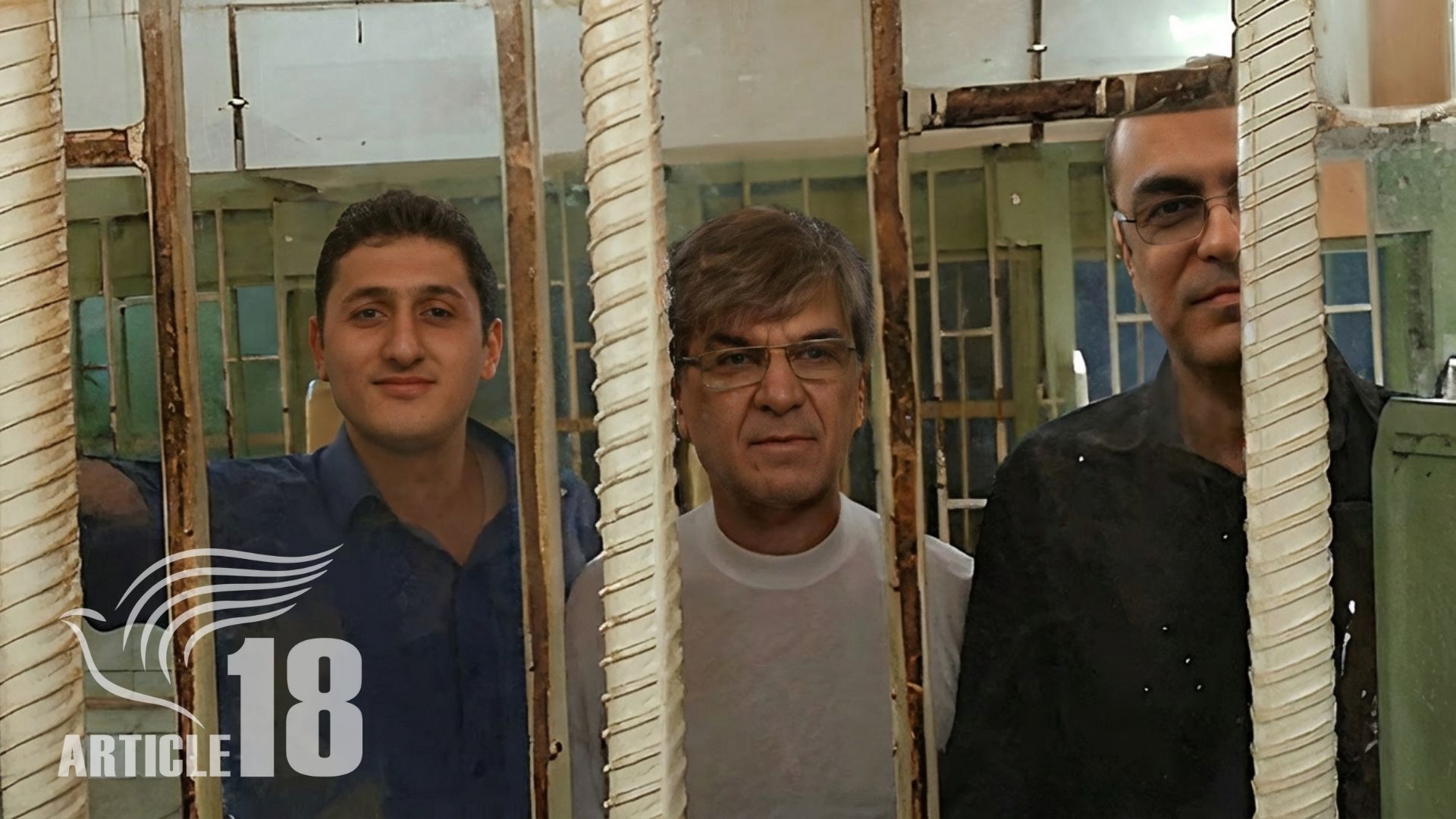
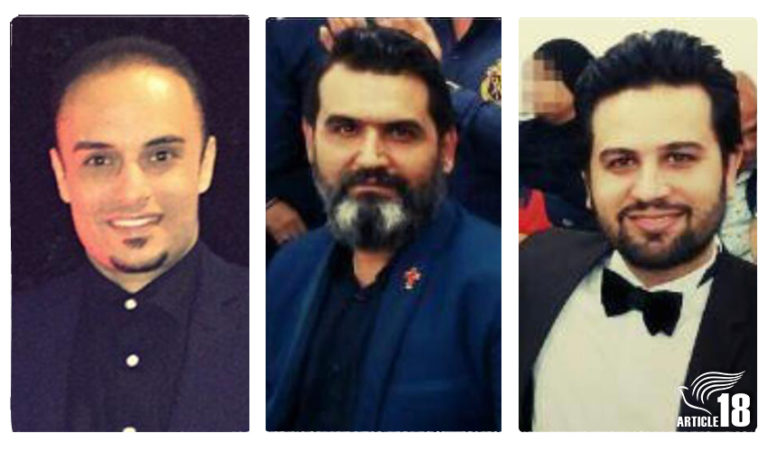
Mojtaba, Homayoon & kourosh in AdelAbad Prison, Shiraz, iran.
Every year, hundreds of Iranian Christians are arrested and imprisend like them.
A combination of these factors accounts for the high emigration-rate of Christians from Iran, whether from Muslim or indigenous Christian backgrounds.
Human rights violations against
Christians in Iran

THE MARTYRS OF THE IRANIAN CHURCH
Denial of Freedom of Religion or Belief (FoRB)
Documented examples demonstrate that interrogators, judges and courts often consider standard Christian practices as evidence of criminal activity, or as a crime in themselves. Membership in house-churches, missionary activities and participation in Christian conferences are all viewed as criminal behaviour, and during arrests security agents frequently confiscate ordinary Christian items, such as Bibles, Christian literature, and crosses. As a result, many Iranian Christians, especially converts, have fled the country to protect themselves from potential persecution.
Violation of the Right to Life
The most severe violation that Christian converts face is the threat to their lives, as apostasy – the act of leaving or renouncing one’s religion – is viewed as a crime punishable by death, according to the interpretations of some Shia clerics. Although Iran’s penal code does not explicitly criminalise apostasy, judicial officers and courts frequently treat it as a crime, bypassing the absence of legal provisions on apostasy by citing Article 167 of the Constitution, which explicitly permits judges to use Islamic jurisprudence in the absence of clear definitions of crimes or punishments. This provision leaves room for reliance on jurisprudential rulings, or “fatwas”, that classify apostasy as a serious crime.
While Islamic law offers varying interpretations on apostasy, Iranian courts typically rely on the strict interpretations of fundamentalist clerics, such as Ayatollah Ali Khomeini, the founder of the Islamic Republic, who viewed leaving Islam as a crime punishable by death.
At least three Christian converts have been sentenced to death for this “crime”: Rev Hossein Soodmand, Rev Mehdi Dibaj, and Pastor Yousef Nadarkhani. Rev Soodmand was arrested in 1990. After spending two months in prison, he was sentenced to death by the Special Court for the Clergy in Mashhad. He refused to renounce his Christian faith and was executed in December 1990. Rev Dibaj was arrested in 1983 and sentenced to death in 1993. In January 1994, after international media reported his death sentence, he was released due to pressure from foreign parliamentarians, human rights organisations, the European Union, the US House of Representatives, and Christian leaders worldwide. He had spent over nine years in prison. However, five months after his release, Rev Dibaj’s body, bearing multiple stab wounds, was found in a park near Tehran. The perpetrators of his murder were never identified. Pastor Nadarkhani was arrested in 2009 and subsequently sentenced to death. His retrial, following an appeal, received international attention. Due to pressure from the UN, the EU, international human rights organisations, and the Vatican, Pastor Nadarkhani was acquitted of the charge of apostasy and instead given a three-year prison sentence on charges related to his evangelistic activities. He was released in 2012 after serving his sentence but was rearrested in 2016 and sentenced to 10 years in prison for “acting against national security by forming house-churches.”
Extrajudicial killings
Since the establishment of the Islamic Republic in 1979, there have been numerous reports of suspicious murders targeting Christian leaders by unknown assailants, followed by inadequate investigations into these incidents.
Unknown attackers murdered prominent Protestant figures such as Rev Arastoo Sayyah and Bahram Dehqani-Tafti, the son of Anglican bishop Hassan Dehqani-Tafti, who also narrowly survived an assassination attempt, alongside his wife.
And as well as Rev Dibaj, Bishop Haik Hovsepian, who had been instrumental in securing Rev Dibaj’s release, was also killed under very suspicious circumstances. Bishop Hovsepian disappeared in January 1994, just three days after Rev Dibaj’s release. His body, bearing 26 stab wounds, was found 11 days later, and his killers were never identified. In the same year, the body of another Protestant leader, Rev Tateos Michaelian, who became the overseer of the Council of Protestant Churches in Iran following Bishop Hovsepian’s death, was found with multiple gunshot wounds to his head. The Iranian authorities claimed that the Mojahedin-e Khalq (MEK), an opposition group, was responsible for the murder, and convicted three members who allegedly confessed to the crime. However, informed sources doubted the group’s involvement and held the Ministry of Intelligence responsible.
The names of Rev Dibaj, Bishop Hovsepian, and Rev Michaelian were later included in the list of victims of the “chain murders” carried out by the Iranian Ministry of Intelligence.
Another suspicious death was that of Pastor Mohammad Bagher Yousefi, known as “Ravanbakhsh” (“soul-giver”), whose body was found hanging from a tree in 1996. Additionally, in 2005, it was reported that Ghorban Tourani, a house-church leader, was found outside his home with his throat slit. The lack of legal efforts to investigate these murders suggests the authorities’ complicity in either the killings themselves or covering them up.
Arbitrary arrest and detention
Unrecognised Christians face increasing levels of arbitrary arrest and detention. The number of arrests, detentions, and trials of Christians increased after President Mahmoud Ahmadinejad took office in 2005, and intensified after 2009. The length of arrests can vary significantly, ranging from a few hours to as long as a year and a half. Many of those arrested are formally charged by Iranian authorities with crimes amounting to “actions against national security”, leading to lengthy trials.
It is important to note that publicly accessible data on arrests and detentions is significantly underreported, as many detainees fear that exposing their cases could result in further harassment from security forces. While most Christians who are arrested are eventually released, they often have to pay significant sums for bail, which is often forfeited as Christians leave the country or investigations never conclude, and therefore charges never officially dismissed. This allows the authorities to hold onto bail amounts, and also to restrict religious gatherings and practices by threatening future arrests and prosecutions. The Ministry of Intelligence is responsible for most publicly announced arrests. However, since 2012, the Islamic Revolutionary Guard Corps (IRGC) has also been increasingly cited as the arresting authority.
During detention, many individuals face pressure to confess. Interrogators frequently threaten long-term detention, prosecution, lengthy prison sentences, torture, mistreatment, the arrest of family members, and execution for apostasy to compel detainees to provide information about their church activities and other members. In some cases, Christians are offered release in exchange for “cooperating” with security agencies in securing the arrest of other Christians. Some detainees have also faced prolonged detention without any charges, formal indictments, trials, or judicial sentences.
Torture and mistreatment
Article 7 of the ICCPR states: “No-one shall be subjected to torture, or cruel, inhuman, or degrading treatment or punishment.” Article 38 of Iran’s Constitution also prohibits torture and mistreatment, while the United Nations Human Rights Committee, in General Comment No. 20, clarified that prolonged solitary confinement may be considered a violation of Article 7.
Despite this, many Christians interviewed by Article18 have reported torture and mistreatment during their detention by Ministry of Intelligence or IRGC agents, particularly during interrogations, and that they were subjected to long periods of solitary confinement.
Furthermore, the Iranian authorities continue to deny adequate and appropriate medical care to prisoners of conscience, which in many cases is used as a tool to apply additional pressure, aimed at compelling them to renounce their faith, which can also be considered a form of torture.
Prisoners endure harsh and inhumane conditions, including overcrowding, lack of hot water, food and sleeping facilities, and inadequate ventilation.
Iranian law prescribes punishments that amount to torture, including flogging, which has been imposed on Christians for participating in church services. In 2020, two Christian converts, Mohammad Reza (Youhan) Omidi and Saheb Fadaie, were each sentenced to 80 lashes for drinking wine during a Communion service – a punishment that was later enforced.
Lack of access to justice and due processProsecution on ‘security’ charges
Court proceedings involving Christians often lack due process. Many Christians are denied access to legal counsel, or if they do have a lawyer, the lawyer is denied full access to their client’s case file, making it difficult to mount an adequate defence.
Christian converts face significant barriers to justice. They often fear that revealing their conversion in court will lead to “apostasy” charges. Many Christians interviewed by Article18 said they refrained from voicing complaints about mistreatment during their detention, fearing judges would consider their conversion to another faith as “apostasy” and a criminal act, thereby disregarding their complaints.
Prosecution on ‘security’ charges
While Christians are sometimes charged with religious offences such as “apostasy” or “blasphemy”, political or “national security” charges are more common. Charges such as “propaganda against the regime”, “acting against national security”, “collaborating with hostile foreign countries”, “contact with anti-regime groups”, or “collusion with hostile foreign governments” are frequently used. The evidence for these charges and trials is often based upon ordinary Christian practices, such as evangelism, hosting prayer meetings or Bible studies, attending Christian conferences, or distributing Bibles. Additionally, the Iranian authorities often view any contact with organisations abroad as a “crime against national security”.
Denial of Freedoms of Assembly and AssociationDenial of Freedom of Expression
The Iranian authorities systematically deny Persian-speaking Christians the right to freedom of assembly or peaceful gathering. Article 22 of the ICCPR states: “Everyone shall have the right to freedom of association with others.” Similarly, Article 26 of the Iranian Constitution guarantees the right to peaceful assembly for recognised religious minorities. In practice, however, the authorities regularly violate these commitments and refuse to grant permits for the establishment of new churches. Some recognised Persian-speaking churches have been forcibly closed, despite having official licenses, while remaining churches have been restricted from accepting new converts, limiting participation in services to pre-registered members. The authorities have also imposed restrictions on the days of the week when church services can be held, reducing the ability of Iranians to attend.
The authorities do not permit Christians to participate in collective prayer services, celebrations, Christian holidays, or Bible studies in house-churches. Security agencies violently prevent the formation of house-churches and warn participants against attending future meetings, whether in person or online. Moreover, house-church leaders are routinely arrested and charged with “security”-related offences for attempting to organise church services. Christians are also prohibited from attending international religious conferences, a policy that violates Article 12 of the ICCPR, which guarantees the right to freedom of movement, including leaving the country. These restrictions and others severely undermine Christians’ ability to freely assemble and join their coreligionists in practising and teaching their chosen faith.
Denial of Freedom of ExpressionHarassment and surveillance
The right to freedom of expression for Christians in Iran, guaranteed under international law and also Article 24 of the Iranian Constitution, is consistently denied. Article 19(2) of the ICCPR guarantees that “everyone shall have the right to freedom of expression”. The UN Human Rights Committee, which monitors the implementation of the ICCPR, has stated that freedom of expression includes the right to engage in “religious discourse”, while Article 18 of the ICCPR guarantees the right to “prepare and distribute religious texts or publications”. However, the Iranian authorities consistently violate this right. Christians are arrested, detained and prosecuted for evangelising and distributing religious materials. Christian Persian-language websites are blocked, and jamming signals frequently disrupt satellite TV stations run by Christians. Access to the Bible is also significantly restricted.
Moreover, the distribution and importation of Bibles is widely prohibited, and security agents have confiscated Bibles and in some cases burned them. Christians involved in distributing Bibles have been arrested, while the authorities have also severely restricted the use of the Persian language in churches, limiting the ability of the vast majority of Iranians to access Christian teachings.
Harassment and surveillance
Christian groups are routinely monitored and harassed by the Iranian authorities. This surveillance is conducted both openly and clandestinely. The Ministry of Intelligence and IRGC frequently summon church leaders for questioning, coercing them to provide information about church activities, services, educational programmes, and the names and backgrounds of church members. Christians have also reported that intelligence agents have openly admitted during interrogations that they have been monitoring Christians and eavesdropping on their phone conversations. Information collected by the Ministry of Intelligence is later used as the basis for arrests, trials, and church closures.
Iranian security forces also frequently harass and interrogate the children, parents, and other relatives of exiled Christians as retaliation for their continued Christian activities inside the country.
Systematic discrimination
1. Employment
- Article 6 of the International Covenant on Economic, Social, and Cultural Rights safeguards the right to work. Accordingly, the Iranian authorities must prevent discrimination in the workplace, in hiring, and in dismissals. Discrimination in employment is one of the most common forms of discrimination against Christians, both in the public and private sectors. Many Christians have been fired from their jobs due to their religion, or have been denied employment. Employers are particularly sensitive to converts. Job applications, both in the private and public sectors, often require applicants to disclose their religion. Iranians can also usually infer from a person’s last name whether they belong to a Christian ethnic minority, are Muslim, or belong to another religious or ethnic group. Christians may also face obstacles when starting a new business, obtaining business loans, or securing the necessary permits. In some cases, particularly in government positions, discrimination in employment is codified by law. Iran’s Constitution requires Muslims to fill certain government positions, such as Supreme Leader, President, judges, and all members of Parliament except for five seats allocated to religious minorities, who must declare their support for Iran’s clerical rule.
2. Education
- Article 13 of the International Covenant on Economic, Social and Cultural Rights recognises “the right of everyone to education”, while Article 30 of the Iranian Constitution says “the government must provide free education for the entire nation, up to the end of secondary school”. However, Christians face significant discrimination in education, often resulting in expulsion or denial of admission to higher education institutions or universities, as well as the refusal to issue graduation certificates after completing coursework. As a general policy, the Iranian authorities punish citizens who engage in religious or political activities that the authorities object to, by barring them from higher education and thereby limiting their social advancement. A significant number of Christians interviewed by Article18 have been denied the right to continue their university education due to their peaceful religious activities.The case of Pastor Yousef Nadarkhani, who faced legal action after objecting to his children being forced to take Islamic studies exams, also highlights the challenges faced by second-generation Persian-speaking Christians. In 2019, while serving a lengthy prison sentence on charges related to his faith, Pastor Nadarkhani continued his fight for his children’s rights as Christians – the requirement is not imposed on children from recognised minorities, including Armenian and Assyrian Christians – by staging a three-week hunger strike.
3. Marriage and family law
- Iran’s laws on marriage and family explicitly discriminate against Christians and other non-Muslims in areas such as inheritance laws, the marriage of a Muslim woman to a non-Muslim man, child custody, and guardianship in divorce proceedings.The judicial ruling against Christian converts Sam Khosravi and Maryam Falahi in 2020 is a stark example of how Christians and other religious minorities are denied the right to adopt a Muslim child. Under pressure from security officials, a court in Bushehr ruled that Lydia, the couple’s two-year-old adopted daughter, who had been in their care since she was three months old and whose parentage is unknown, could not remain in their custody because they were Christians and Lydia was considered a Muslim. This ruling received widespread condemnation domestically and internationally.Iran’s Islamic penal code is also discriminatory in cases of consensual or non-consensual sexual relations, and in instances of violent crimes, imposing harsher punishments on non-Muslims.
Timeline: Incidents reported
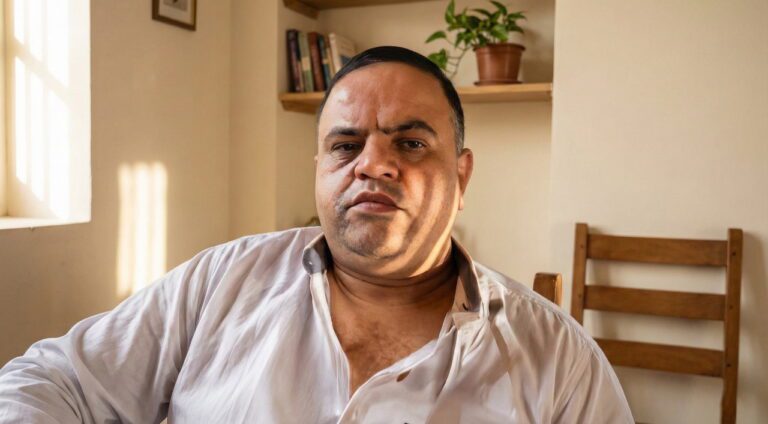
Afghan Christian refugee begins two-year prison sentence in Iran

Christian rushed back to hospital after catching infection in Evin Prison

Christians begin prison sentences on ‘national security’ charges
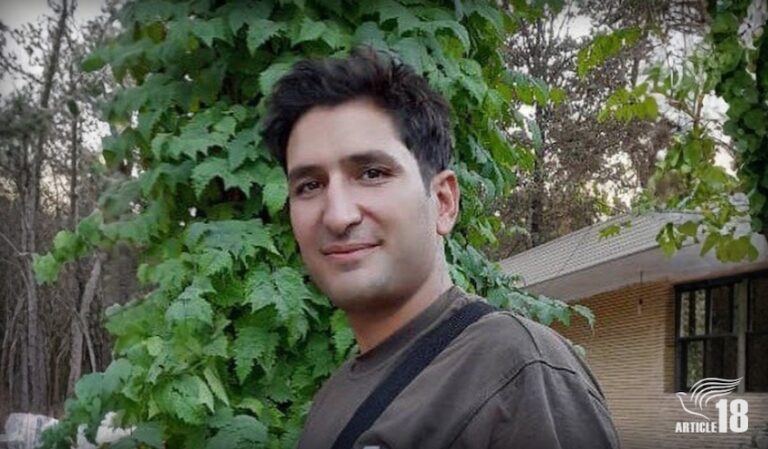
Christian convert begins nine-year prison sentence after torture and unfair trial
Christian convert in Evin Prison suffers spinal fracture after fall
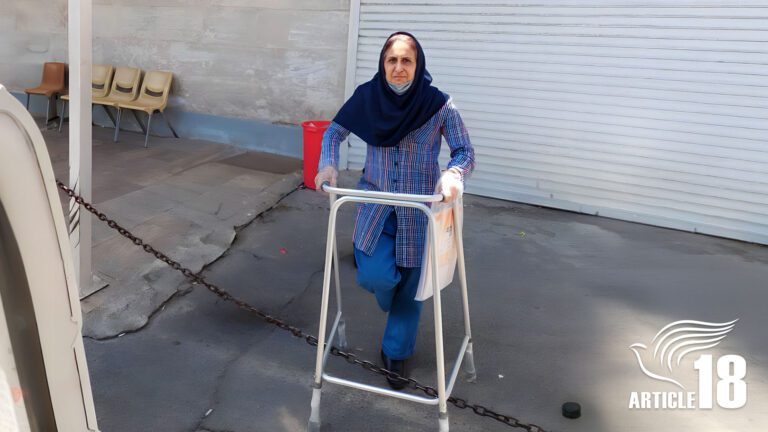
Christian convert, 61, free after two years in prison
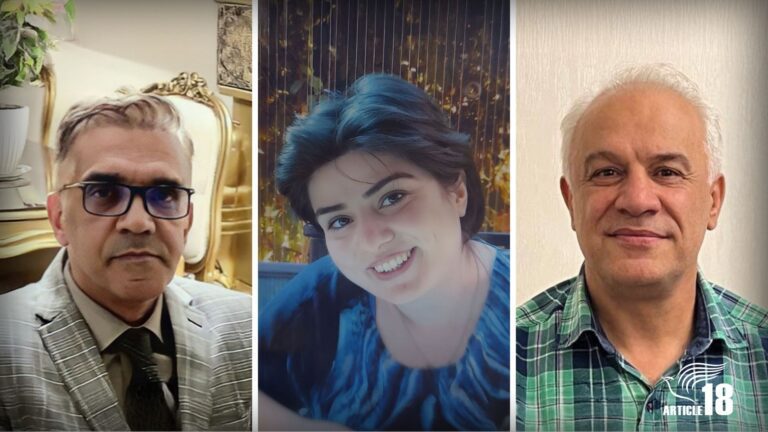
Christians brought before notorious judge on ‘propaganda’ and ‘collusion’ charges
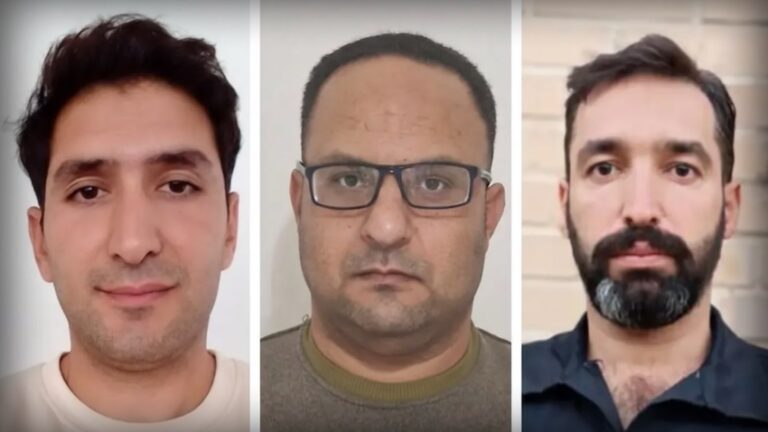
Christians’ prison sentences totalling over 40 years upheld by appeal court
Christian convert tortured during 6-month pre-trial detention

Five Christian converts sentenced to total of over 40 years in prison
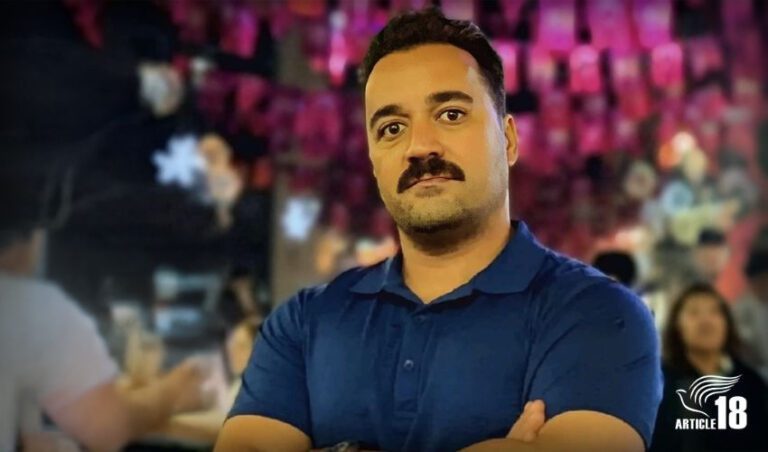
Supreme Court rejects Christian convert’s application for retrial
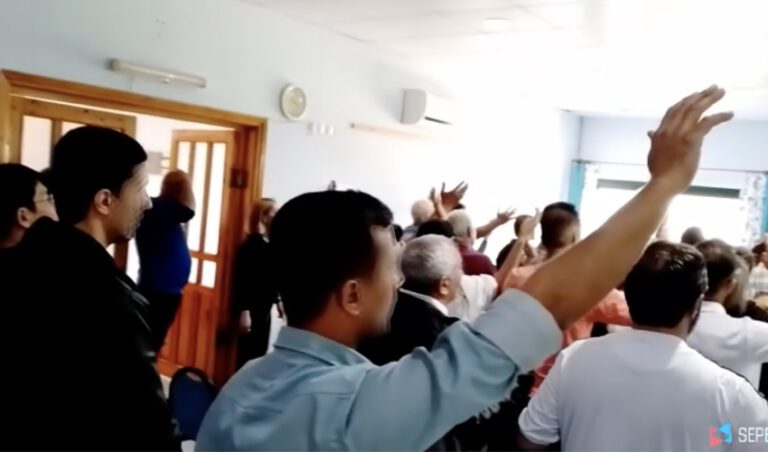
State media accuses Christians of espionage in ‘clear hate speech’
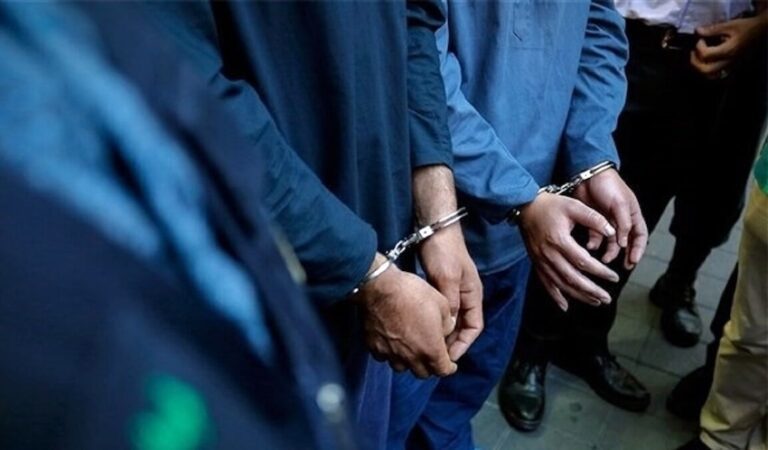
Ministry of Intelligence admits arresting over 50 Christians

Increase in arrests and hate speech against Christians since war with Israel
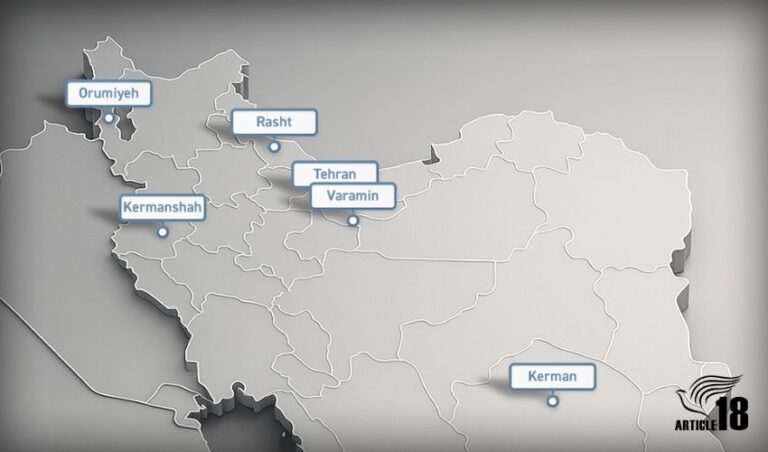
Over 20 Christians arrested as UN experts decry targeting of minorities
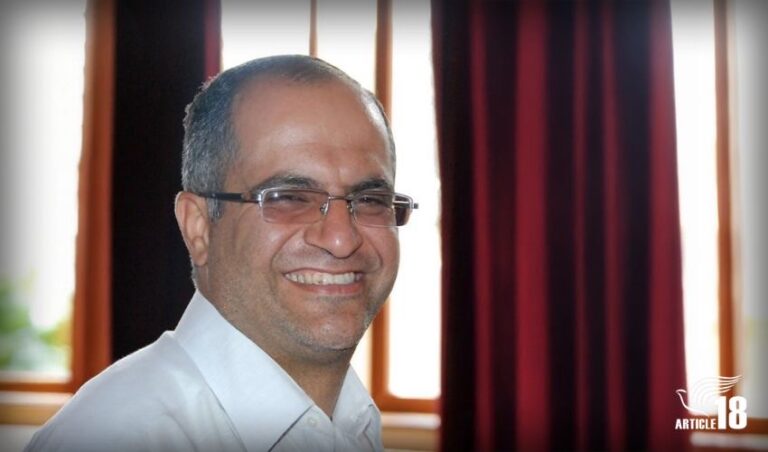
Christian former prisoner of conscience dies aged 55
Convicted Iranian Christian detained after deportation from Turkey
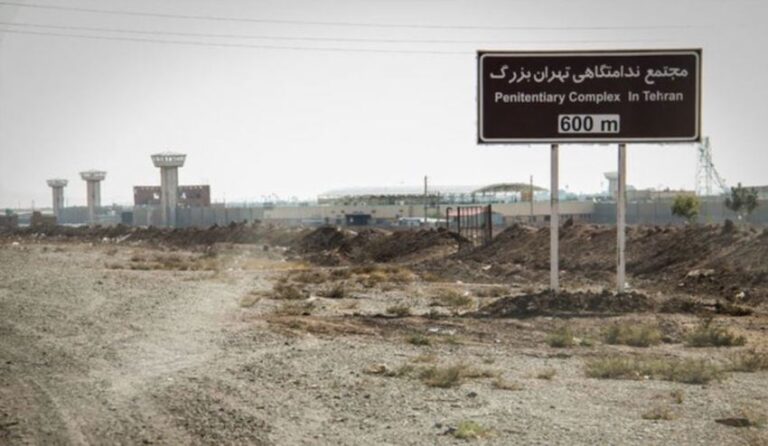
Prisoners including Christians transferred after strike on Evin
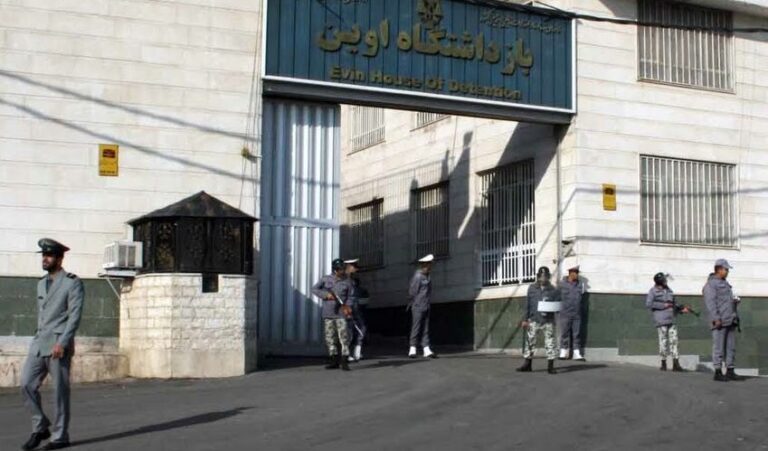
Christians’ trials postponed amid calls for prisoners’ release

Prayer, baptism and celebrating Christmas cited as examples of Christians’ ‘crimes’

Christian converts sentenced to 12 years in prison for bringing Bibles into Iran

Former asylum-seeker released after 15 months in Evin Prison

Christian convert can’t afford bail, remains in Evin Prison months after arrest

Pastor’s wife released on $50,000 bail after month in Evin Prison

Christian converts summoned to begin sentences or forfeit $20,000 bail

Christian converts summoned to begin sentences or forfeit $20,000 bail
Wife of detained pastor remains in solitary confinement two weeks after arrest
Tehran court rejects appeals of converts sentenced to combined 40 years in prison

Christian convert assaulted by prison officer ends hunger strike

Christian convert denied urgent medical care in Evin Prison
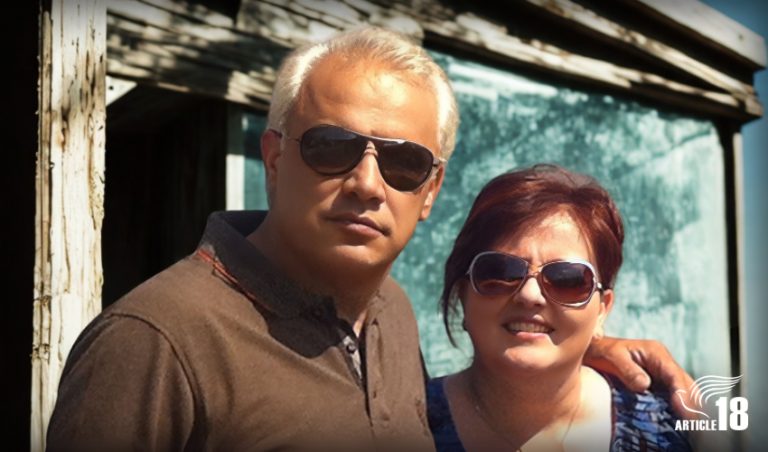
Iranian-Armenian pastor denied leave for mother’s funeral as wife reportedly arrested
Imprisoned Christian convert with heart condition begins hunger strike
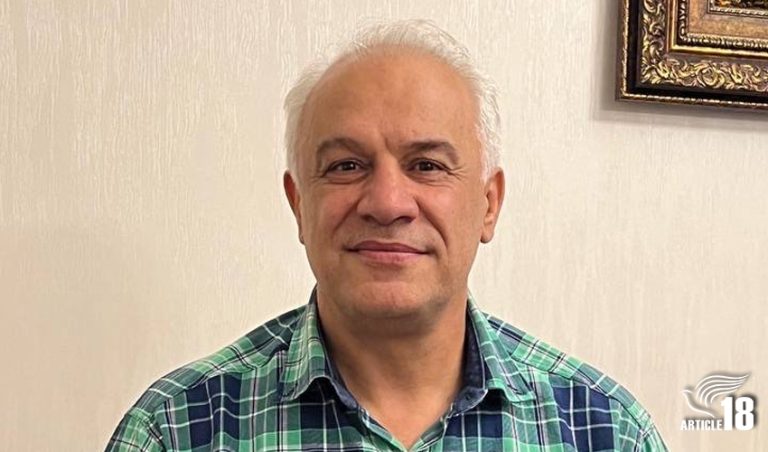
Iranian-Armenian Christian’s mother dies during ongoing detention
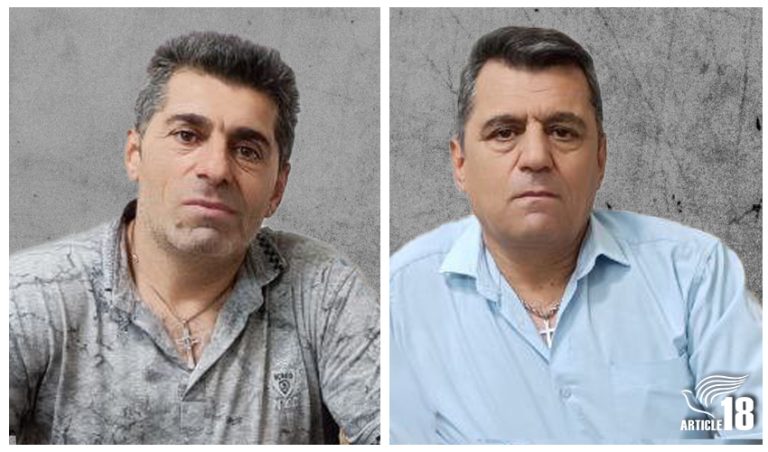
Brothers sentenced to four years in prison, fined and exiled
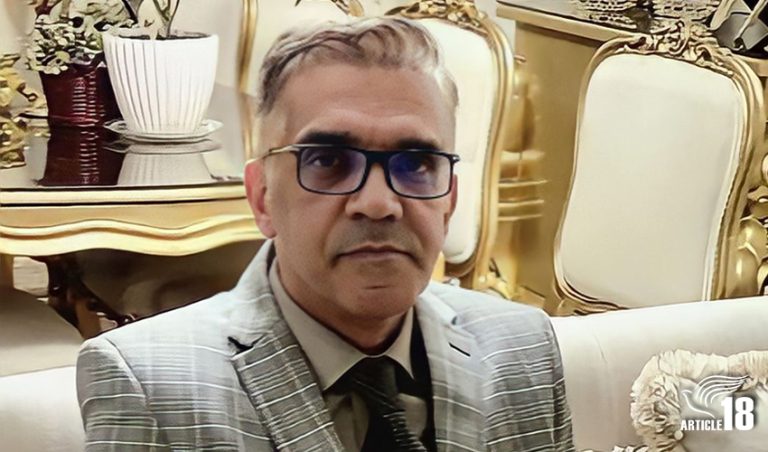
Christian convert suffers stroke after 35-day hunger strike
Imprisoned Christian convert with heart condition beaten for requesting treatment
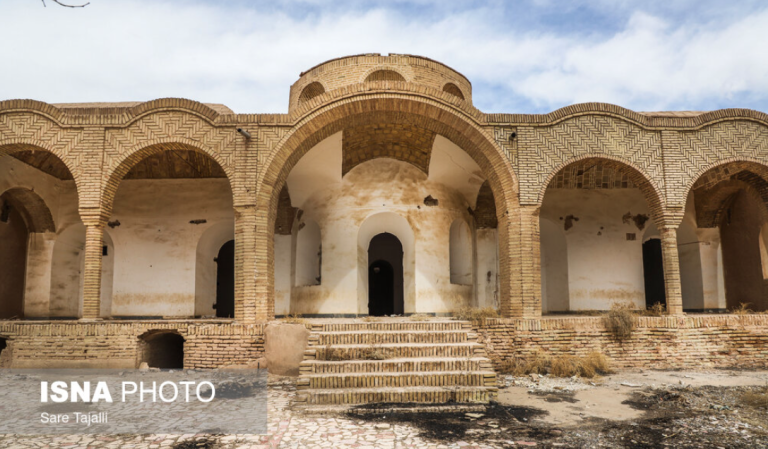
Former missionary hospital on verge of ruin

Christian convert released on $40,000 bail charged with ‘gathering and collusion’
Three Christians including pregnant woman sentenced to over 40 years in prison
Iranian-Armenian pastor remains detained without charge or lawyer month after re-arrest
Concern for Christian convert as hunger strike nears one month
Christian convert arrested, Bibles and musical instruments confiscated during IRGC raid

Christians once ‘pardoned’ after years in prison re-arrested
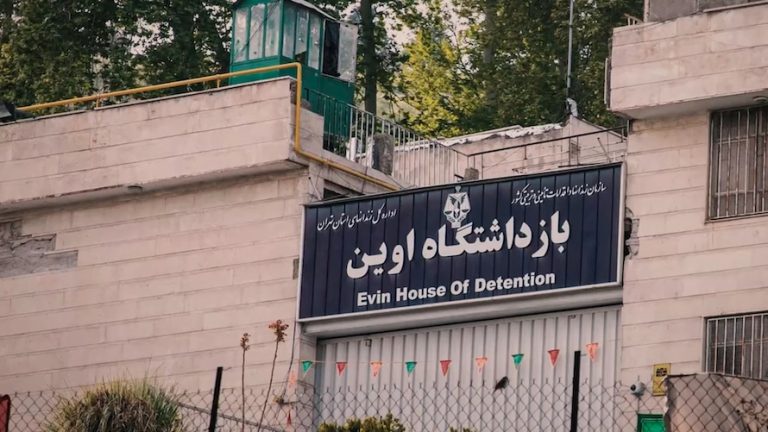
Iran’s judiciary boasts about Christmas leave for Christian prisoners, as arrests continue

Catholic convert released after two months in prison for protesting harassment
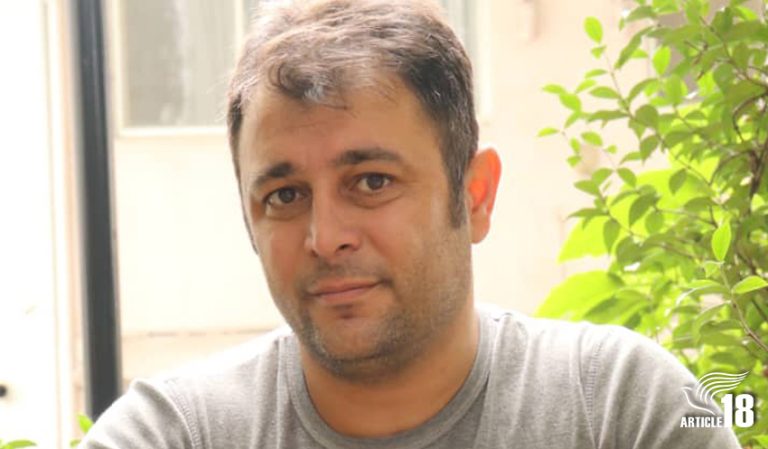
House-church member released after serving reduced sentence
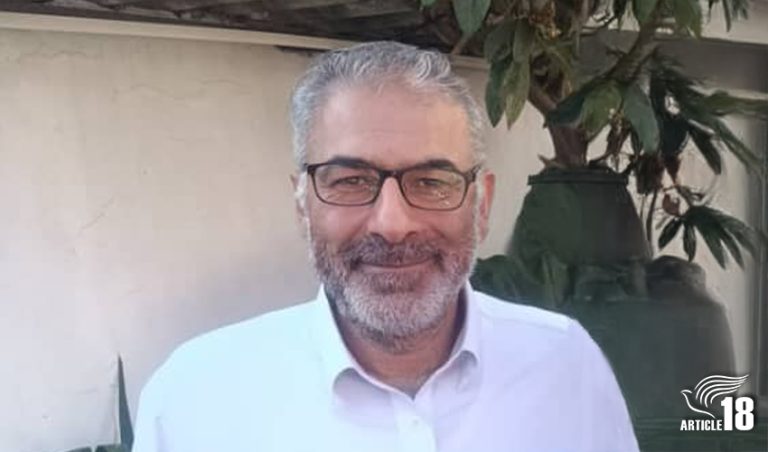
Pastor released from latest imprisonment but new charges filed
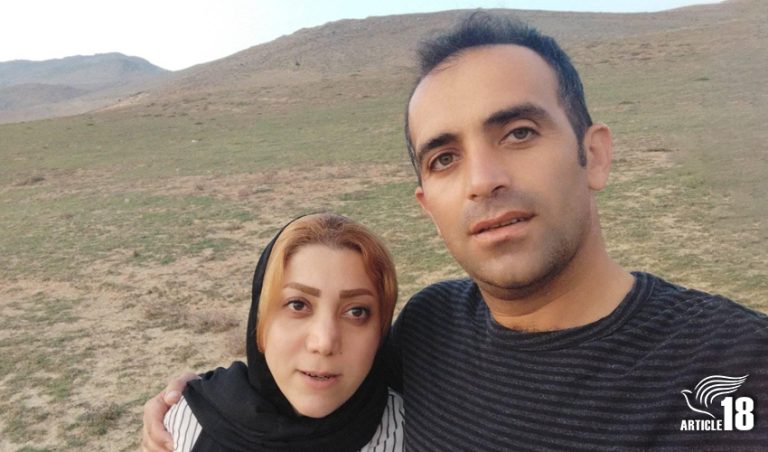
Christian convert released on bail, wife interrogated and insulted
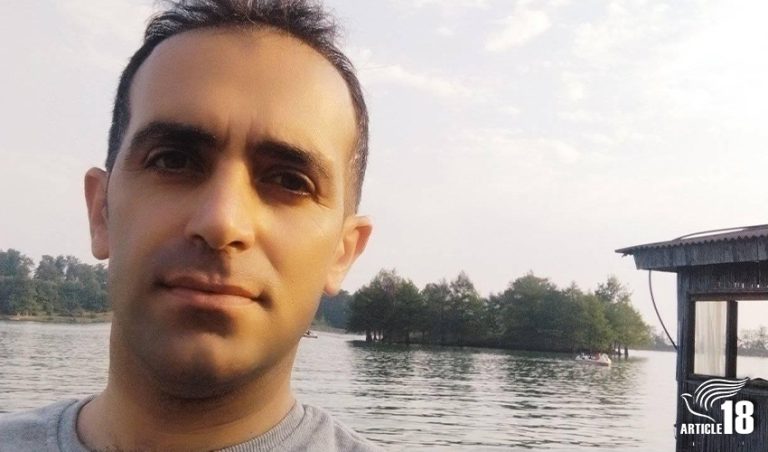
Convert detained as 12 face trial after ‘identifying themselves as Christians’

‘Propagating Christianity’ among charges against convert sentenced to 10 years in prison
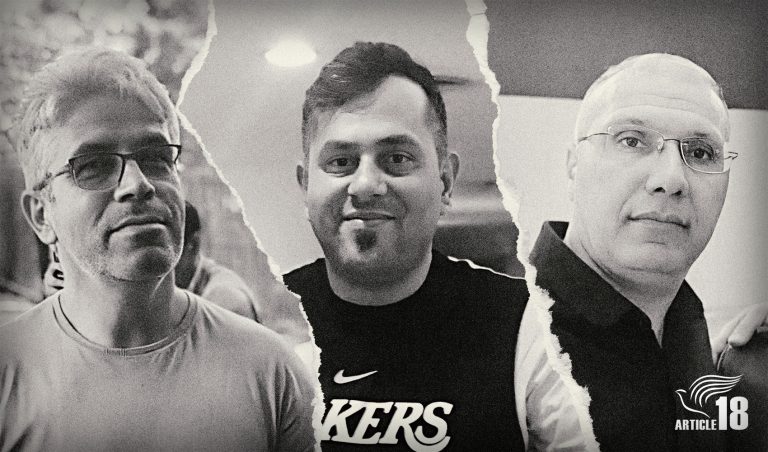
Christian converts incommunicado month after re-arrest

Detained Christian in ‘psychologically very bad condition and only cries’
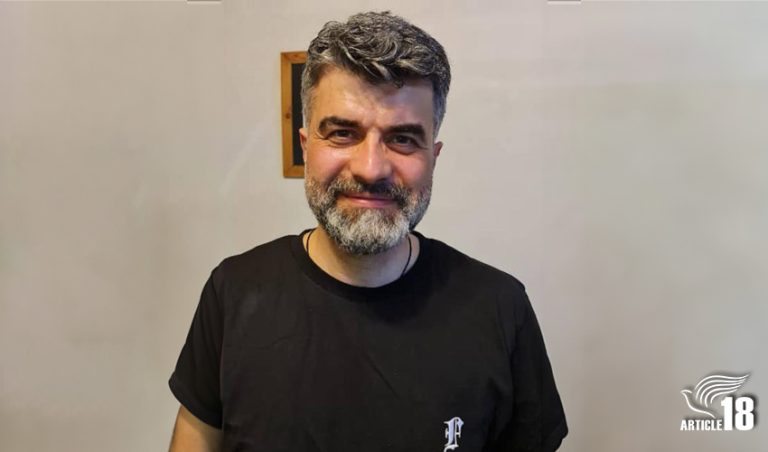
Christian convert released after nearly five years in prison

Christian convert denied parole after ‘refusing forced confession’
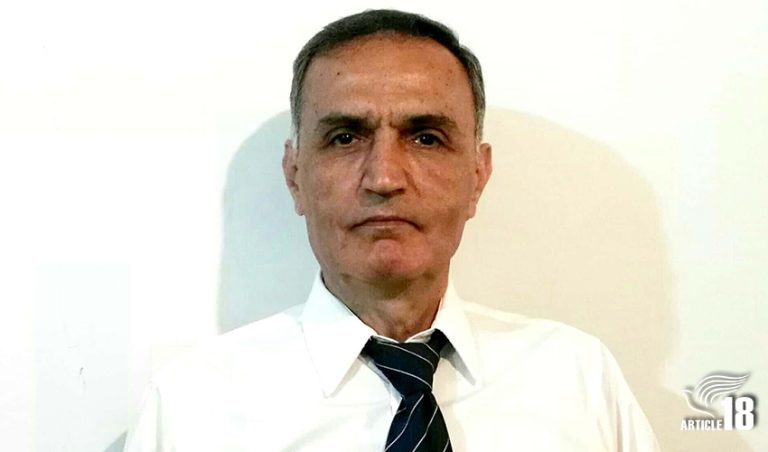
Iranian-Armenian pastor acquitted, released from 10-year prison sentence
Sister of convicted Christian converts detained by Ministry of Intelligence
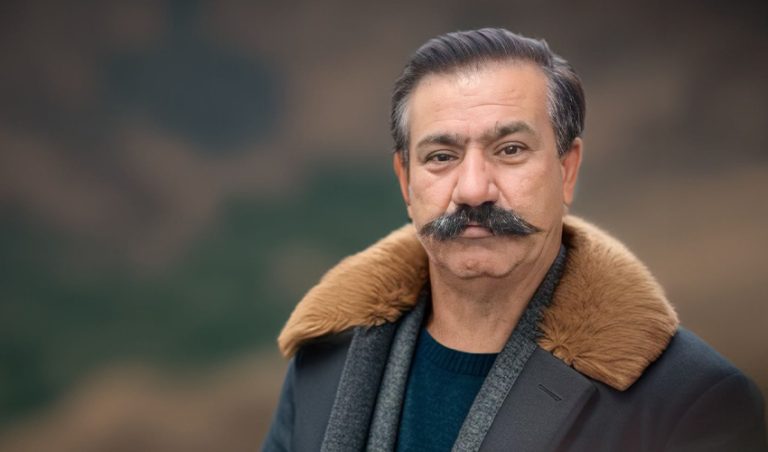
Christian convert dies while awaiting result of appeal against prison sentence
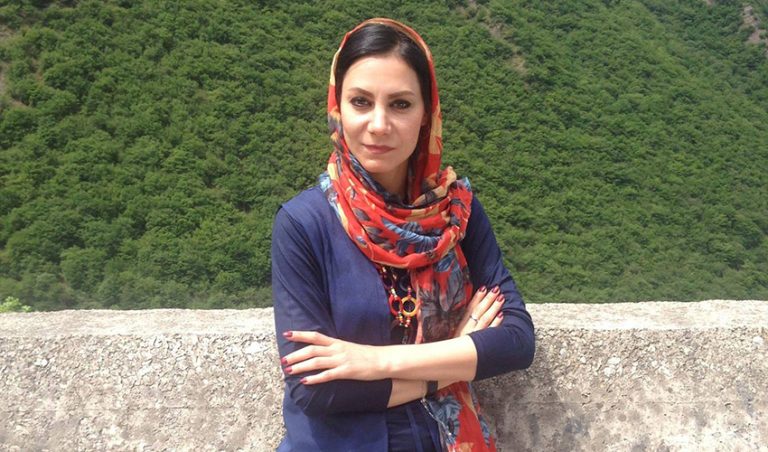
Christian convert reportedly threatened with second conviction for publicising case
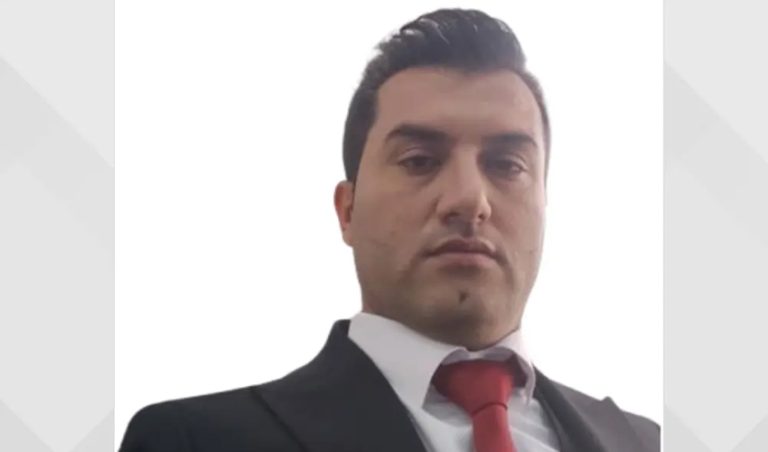
Eight Christians sentenced to combined 45 years in prison
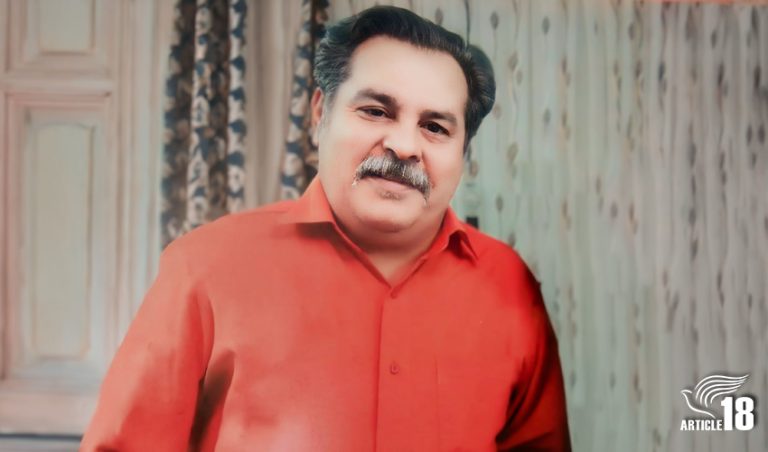
Concern for Christian convert after two weeks’ detention in unknown location
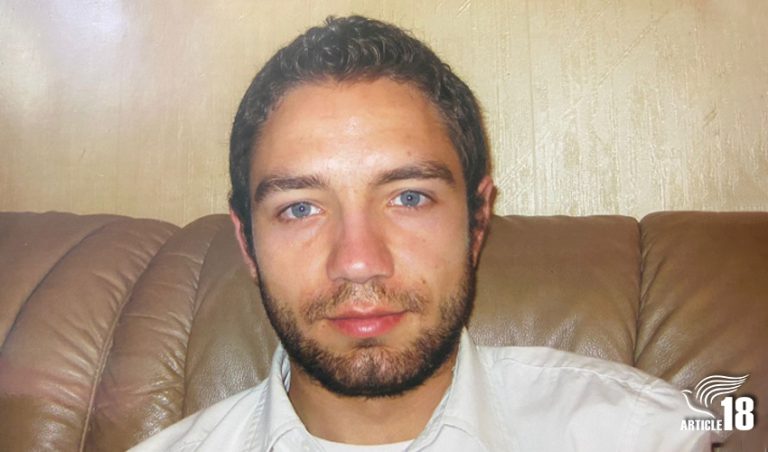
Armenian Christian given 10-year sentence ‘on judge’s intuition’
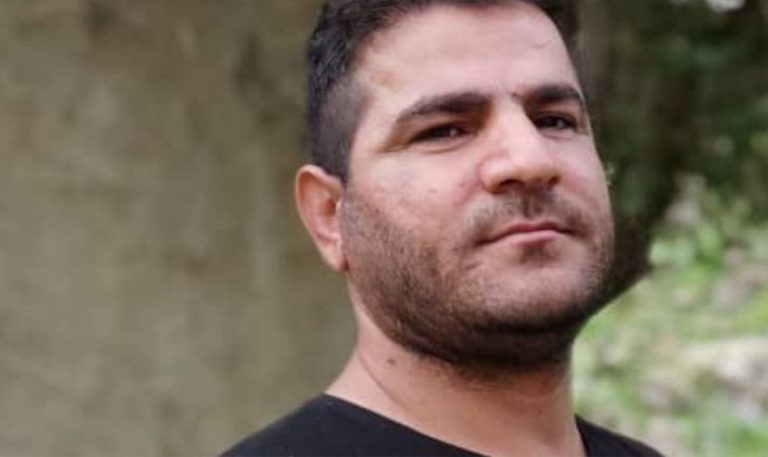
Christian convert sentenced to five years in prison
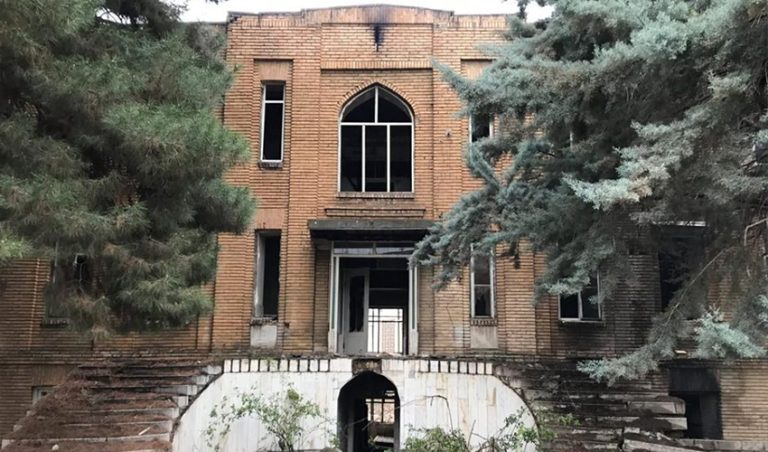
Hospital founded by American missionaries demolished
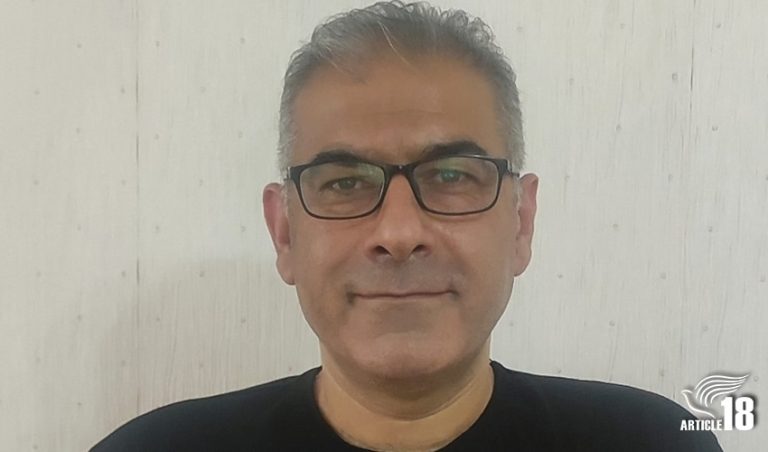
Monthly visits cancelled for pastor imprisoned 1,000 miles from family
Imprisoned Christian convert needs psychological care, mother says
Christian convert released on $10,000 bail after four months’ detention
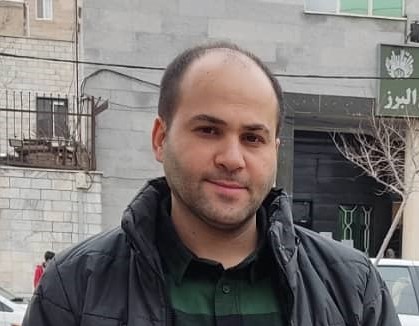
Former prisoner charged again with ‘propaganda against the state’
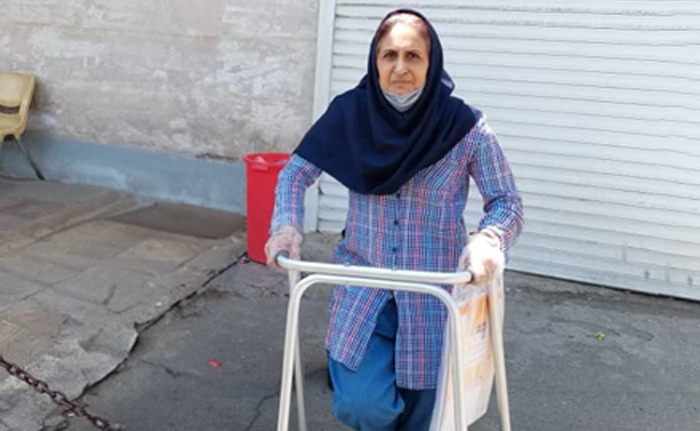
Christian prisoner of conscience denied medical care
Christian convert baptised in Malaysia given prison sentence on return to Iran

House-church member charged with ‘making false religious claims’

Christian convert released on bail of nearly $40,000
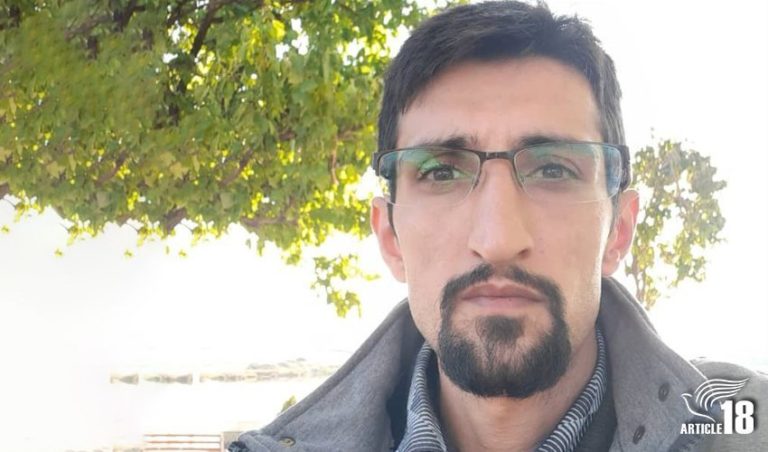
Christian convert imprisoned and exiled by Islamic Republic ‘died of heart attack’
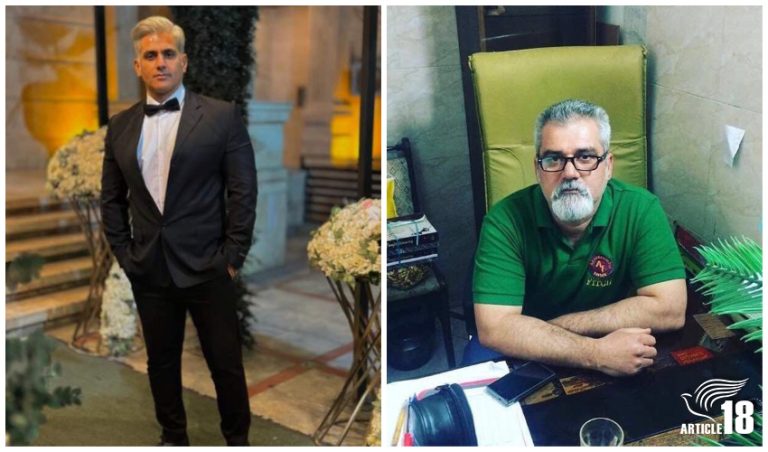
Brothers face ‘propaganda’ charges under amended Article 500
Arrested Christian convert held incommunicado in unknown location, parents ‘very worried’
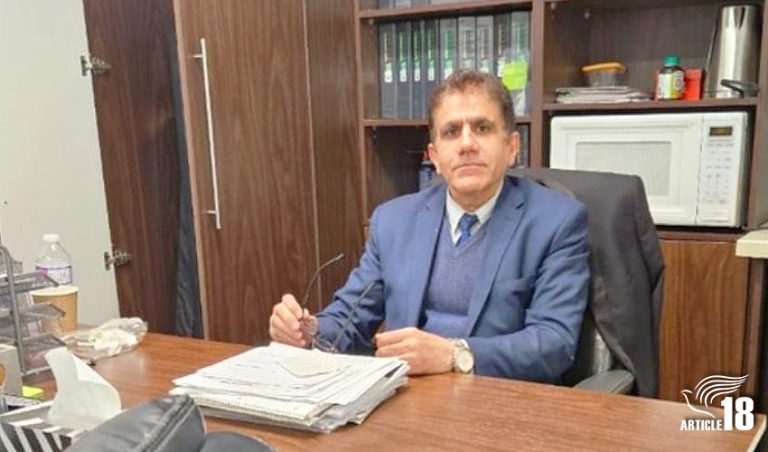
Lawyer who defended Christians summoned to prosecutor’s office
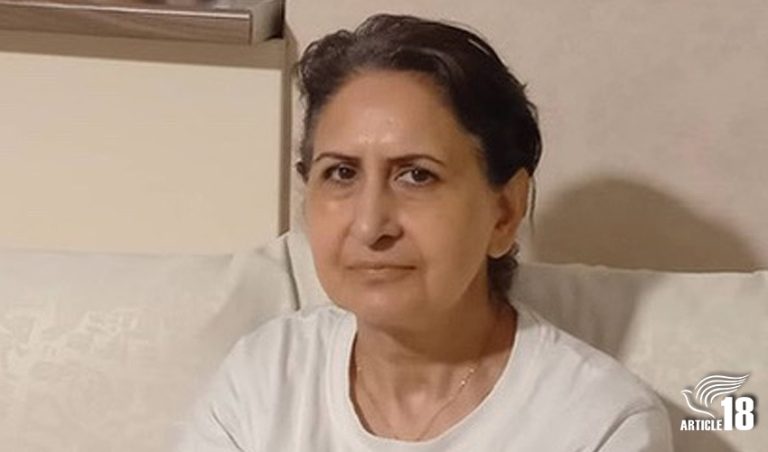
Christian convert, 60, summoned to begin prison sentence for house-church leadership
Armenian faces court hearing on charges of ‘promoting Christianity’
Christian convert still in custody after Christmas Eve arrest
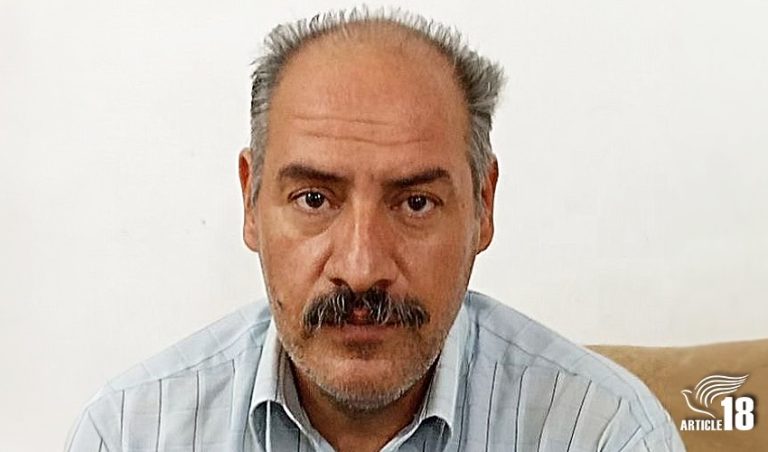
Four Christian converts including Afghan refugee remain detained three weeks after arrest
Armenian Christian remains in Evin Prison four months after arrest

Two house-church members detained in unknown location after coordinated arrests
House-church leader returns to prison after first home visit since sudden transfer
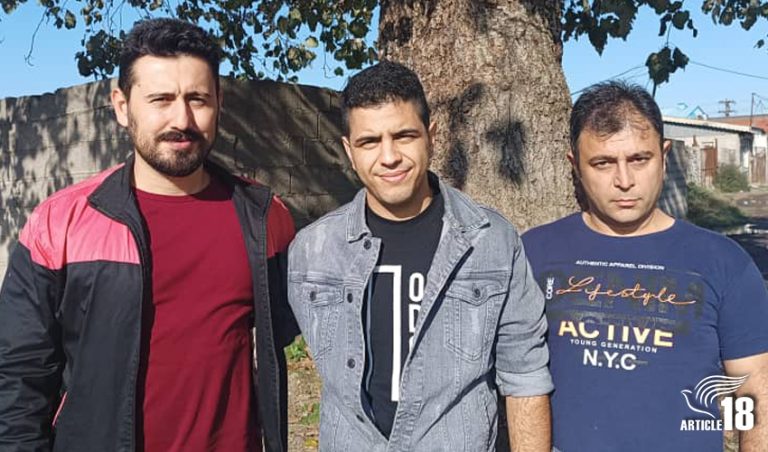
Converts released from prison but must report back daily for work
Iranian-Armenian pastor begins 10-year sentence for his ‘disturbing’ teachings
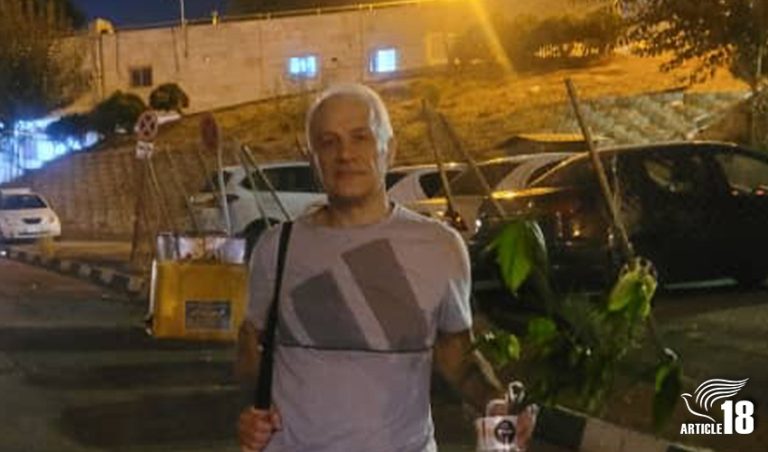
Iranian-Armenian pastor ‘pardoned’, released from prison
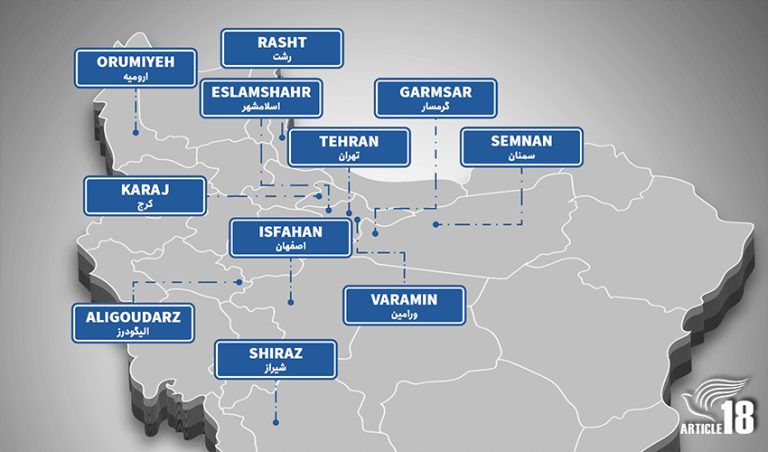
At least 10 still detained as numbers of arrests and affected cities rise
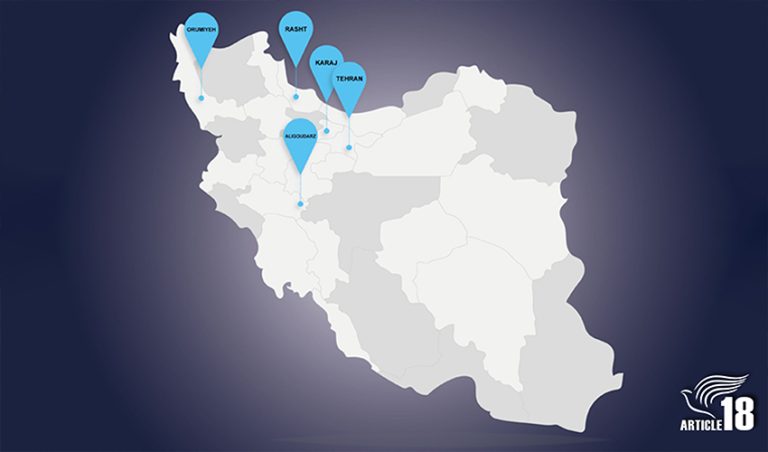
Over 50 Christians in five cities arrested in new crackdown
Pastor transferred to prison 1,000 miles from home and family
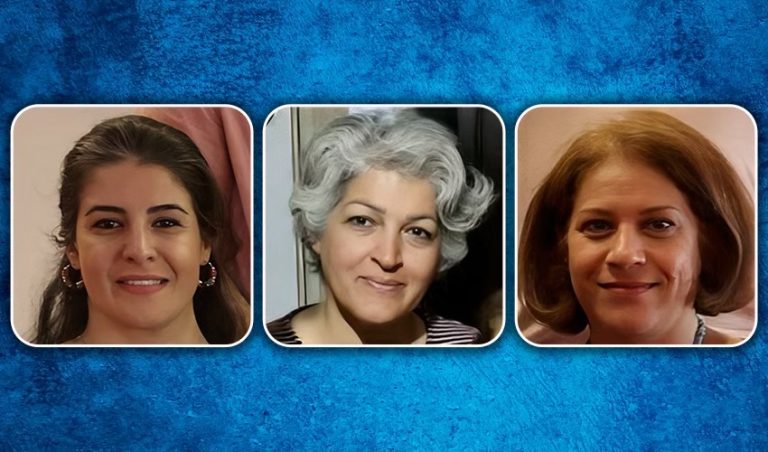
Three Christian women held incommunicado for 40 days face court hearing on unknown charges
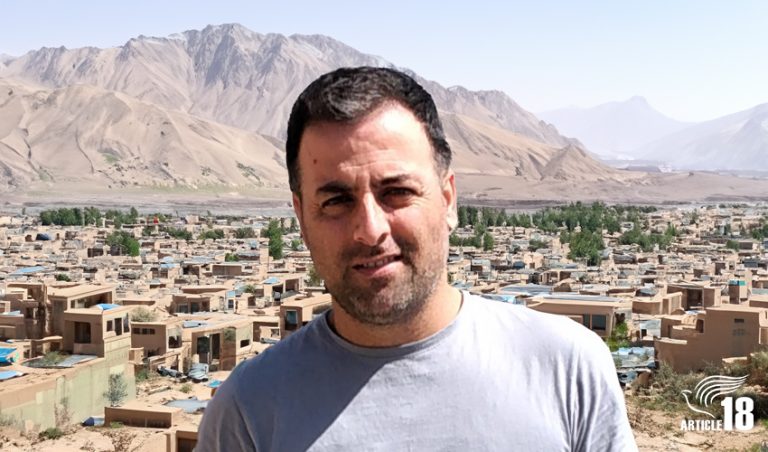
Convert flogged for second time, now faces exile
Decade-long prison sentence for Iranian Christian reduced to two years
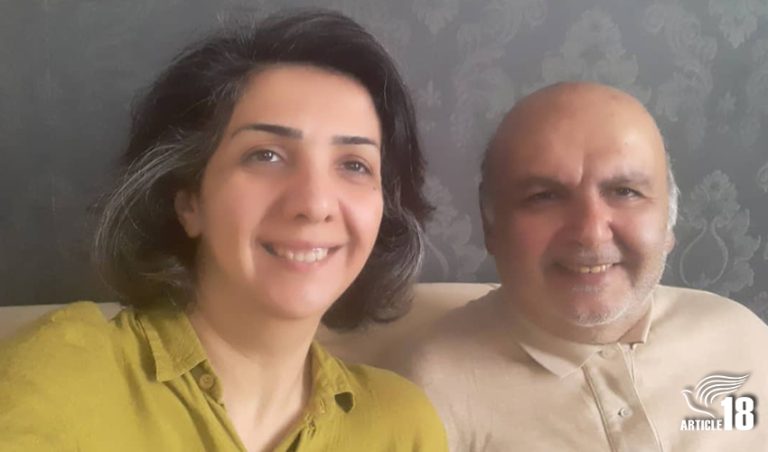
Parkinson’s sufferer and wife acquitted, released from prison

Christian convert whose son has leukaemia released from prison
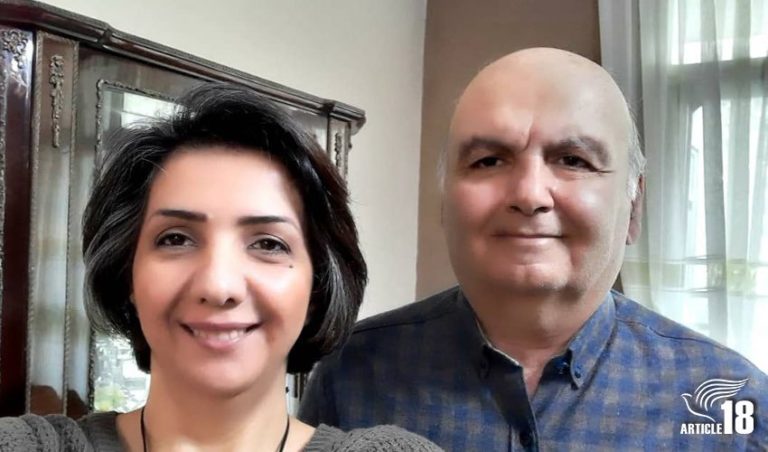
Supreme Court orders retrial of Christian couple serving combined 10-year sentence
Supreme Court agrees to retrial of Iranian-Armenian pastor serving 10-year sentence
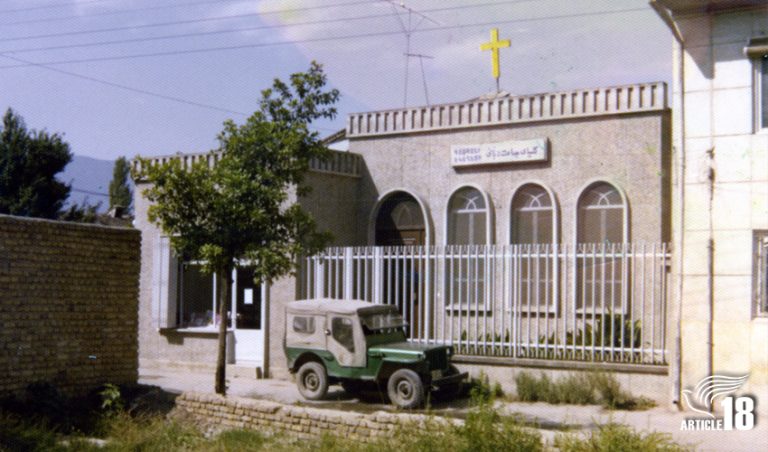
Church Haik Hovsepian founded set to be sold by Iranian state
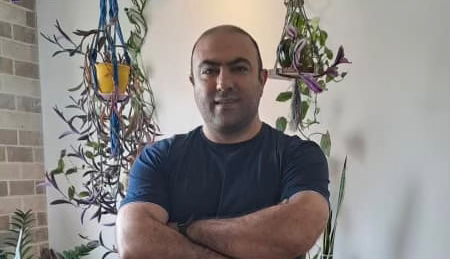
Fifth convert released amid mass pardoning of political prisoners
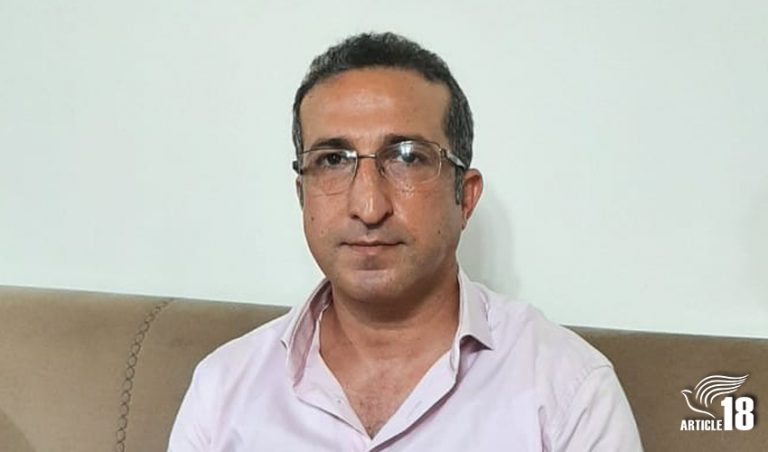
Arbitrarily detained pastor released from prison but faces flogging and exile
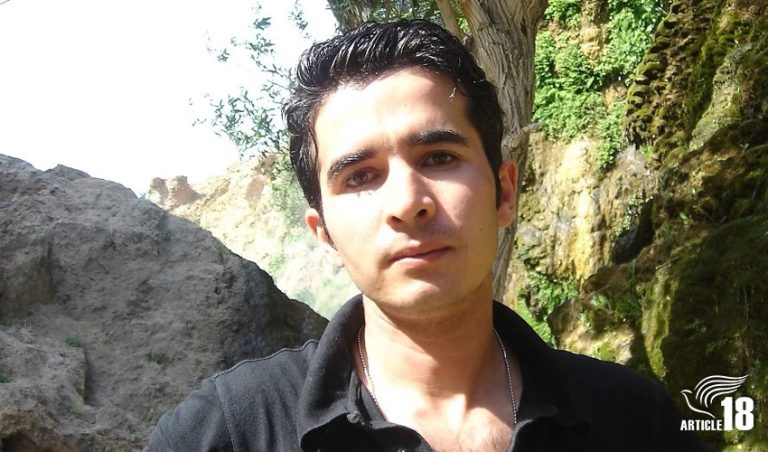
Third Christian convert released as part of latest pardons
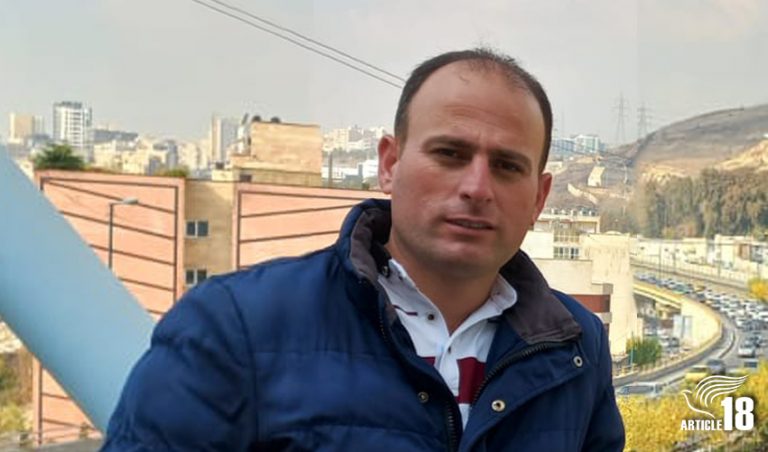
Second convert released as part of Islamic Republic anniversary celebrations
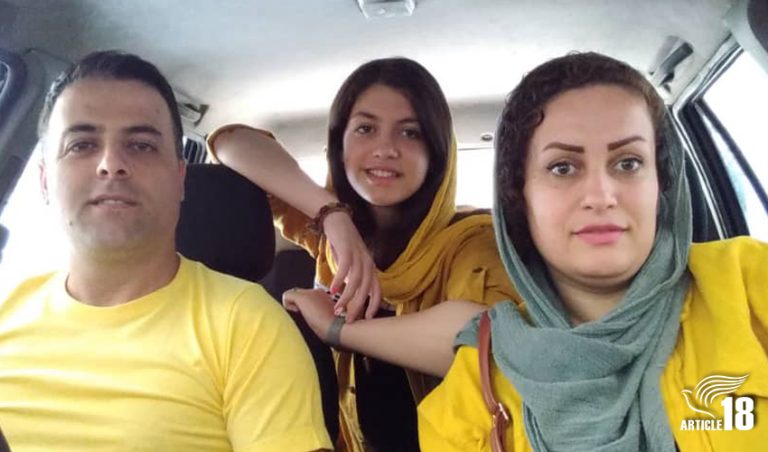
#Place2Worship campaigner released after nearly five years in prison
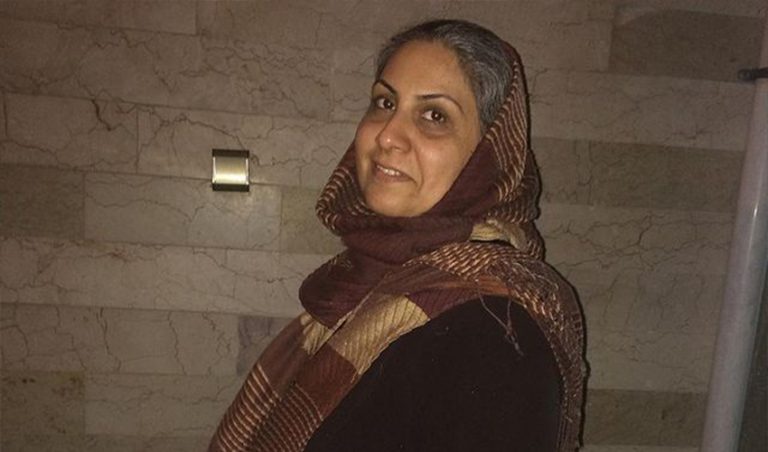
Wife of imprisoned pastor charged with ‘disturbing public opinion’

Converts given short breaks from prison over Christmas

Iranian-Assyrian woman protester released on bail after month in prison
Pastor arrested at Christmas gathering during leave from prison
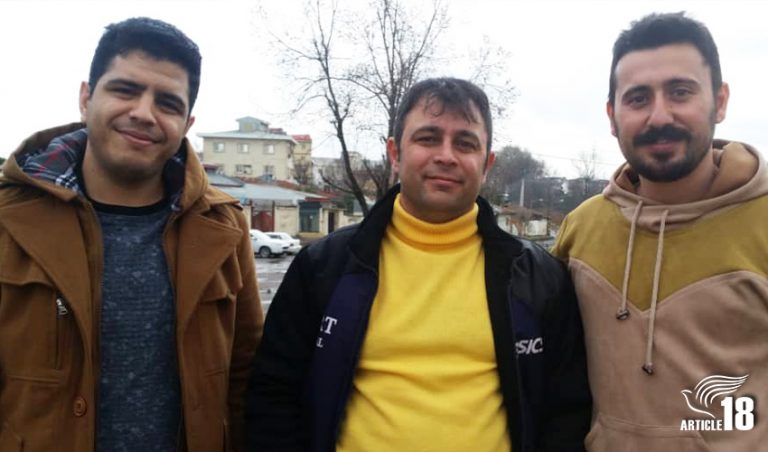
Converts cleared of wrongdoing in second trial on identical charges
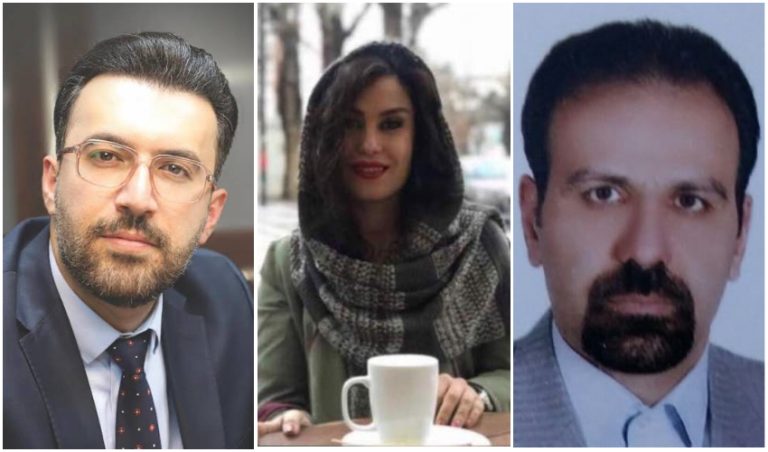
Defenders of Christians among over 30 lawyers arrested
Second Christian convert unexpectedly ‘pardoned’, released from Evin Prison
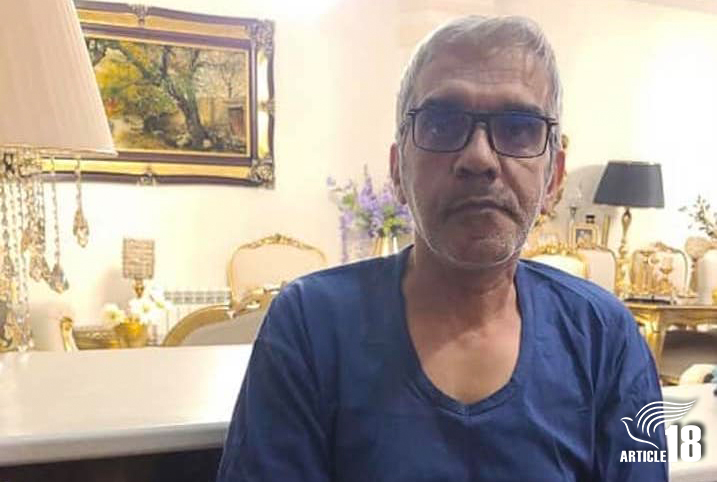
Christian convert freed after nearly five years in Evin Prison

‘Hellish night’ as Evin Prison set on fire, gunshots heard
Iranian-Armenian pastor begins 10-year prison sentence
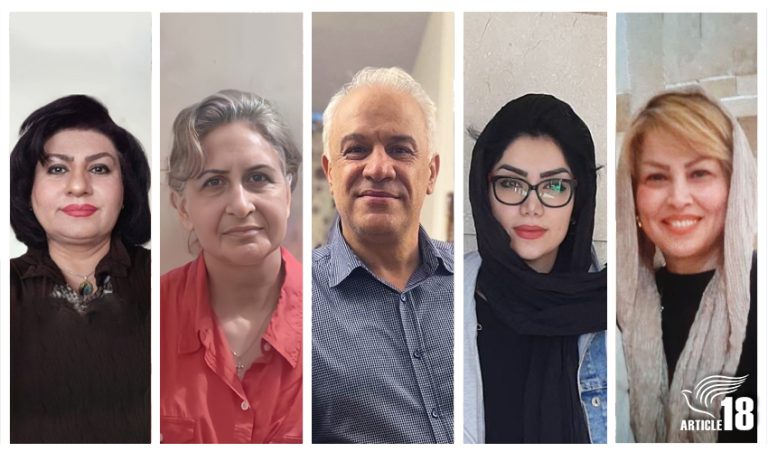
Christians lose appeal against imprisonment and fines for house-church activities
Iranian Christian with Parkinson’s disease and wife detained
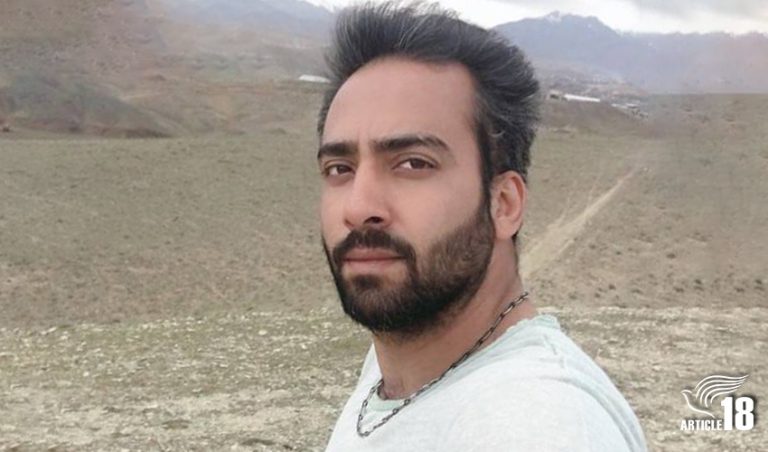
Christian convert arrested, detained in Karaj on unknown charges
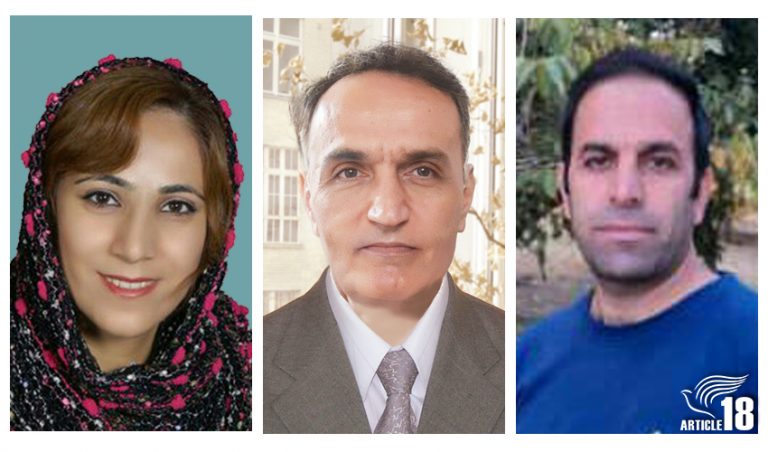
Supreme Court denies Christians retrial
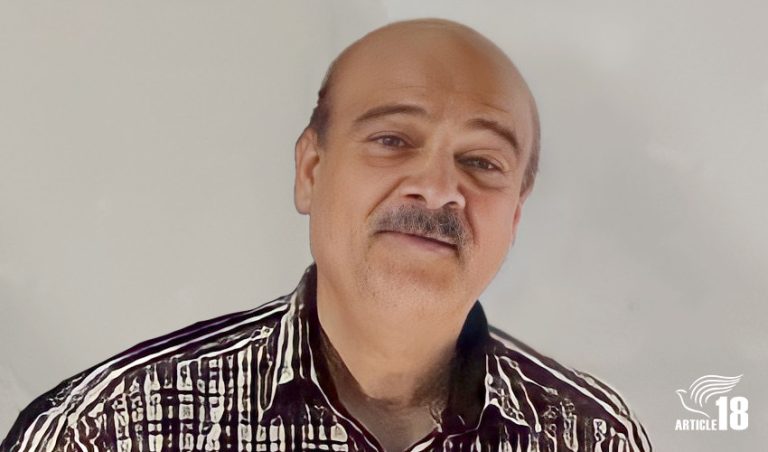
Grandfather with cancer among four Christians arrested in Neyshabur
Converts face second trial on identical charges
Convert fined and deprived of social rights for teaching others about Christianity
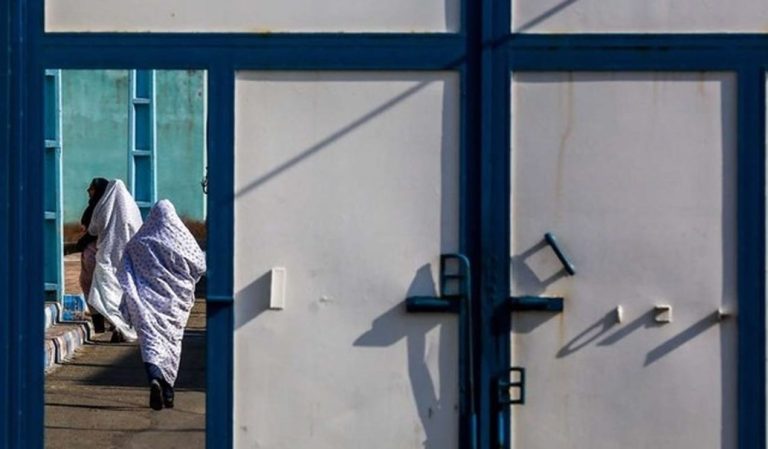
Mother-of-three refused access to prison scheme allowing more time with children
Convert’s continued imprisonment a ‘deterrent’ to other Christians, says lawyer
Youhan Omidi returns home from four years’ prison and exile
Anooshavan Avedian awaits imprisonment as converts summoned to Tehran prosecutor
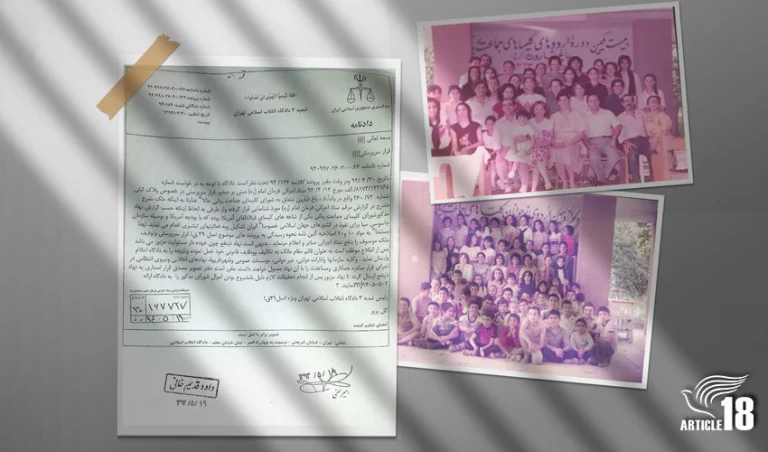
Confiscated Church-owned retreat centre set to be repurposed
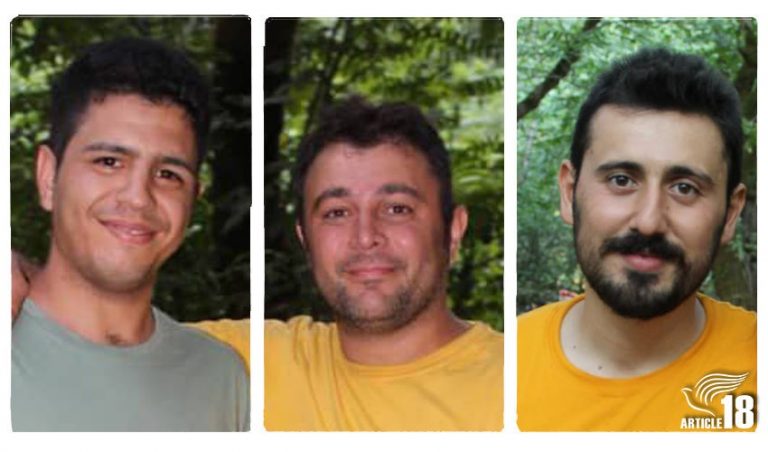
Converts’ five-year prison sentences for ‘deviant beliefs’ upheld
Christian prisoner of conscience awaiting results of MRI scan
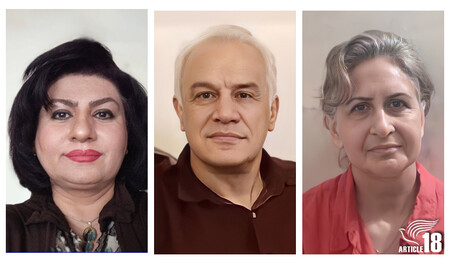
Seven Iranian Christians sentenced to total of 32 years in prison
House-church leader loses appeal as seven other Christians await verdict
House-church members still detained, families told upcoming appeal doomed
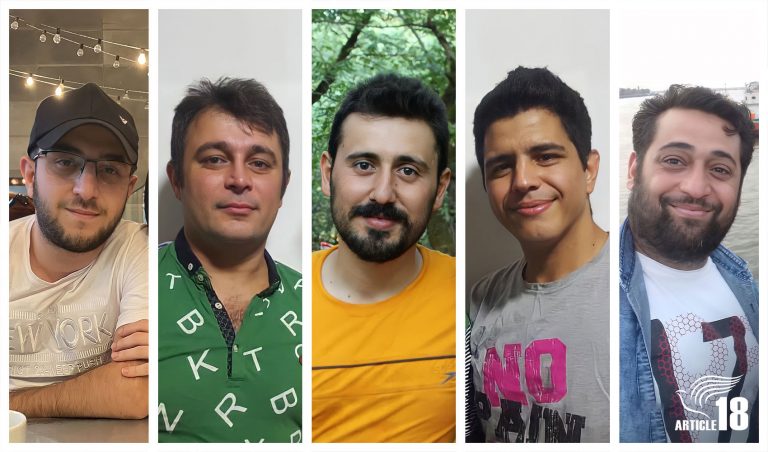
Converts already facing charges re-arrested in Rasht
10-year sentence for Iranian-Armenian for ‘disturbing’ Christian teaching
Illegally detained pastor returns to prison after first furlough in four years

Second woman convert began prison sentence on Easter Saturday
Christian convert arrested in Anzali, family in distress

Christian woman convert begins two-year prison sentence
Converts given five-year sentences for ‘deviant propaganda’
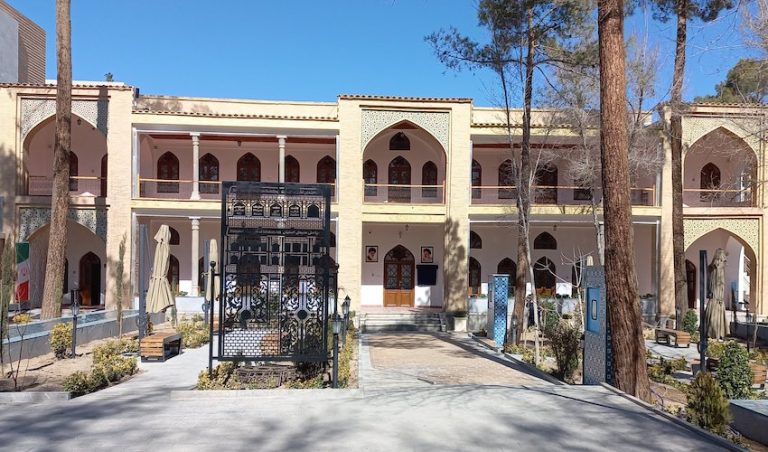
Anglican bishop of Iran’s official residence turned into a museum
Supreme Court summarily dismisses Christian convert’s long-awaited retrial bid
Case closed: Converts’ house-church worship was not ‘action against national security’
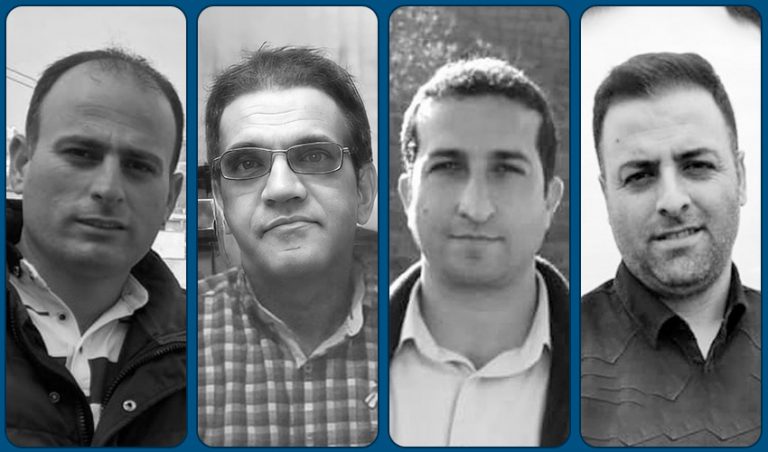
Four Christians unwell after suspected Covid-19 outbreak in Evin Prison
‘We are just Christians worshipping according to the Bible,’ say converts in last defence
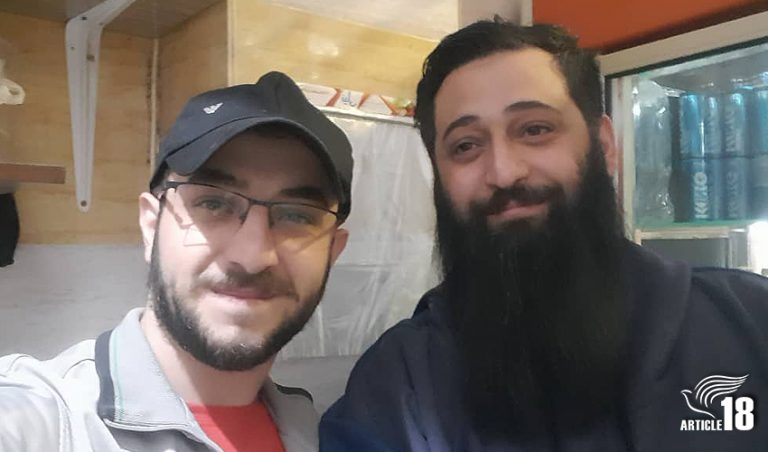
Converts absolved by Supreme Court now face ‘propaganda’ charges
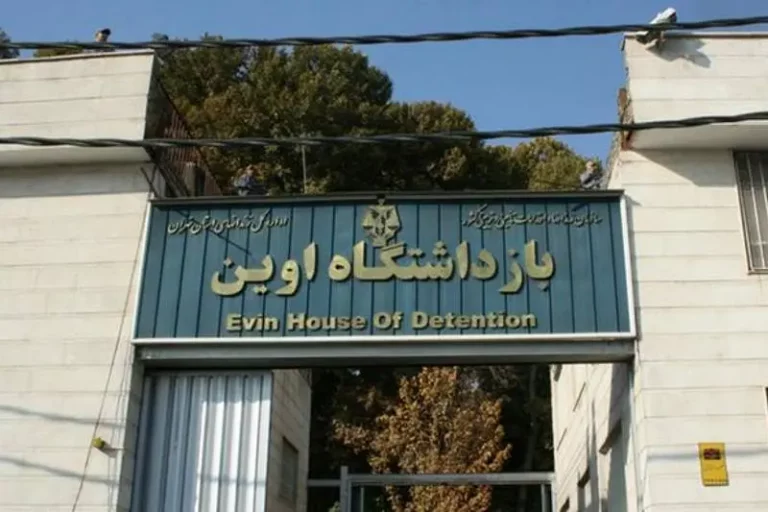
Converts summoned to begin prison sentences for ‘spreading “Zionist” Christianity’
Converts charged with ‘deviant propaganda’ under amended Article 500
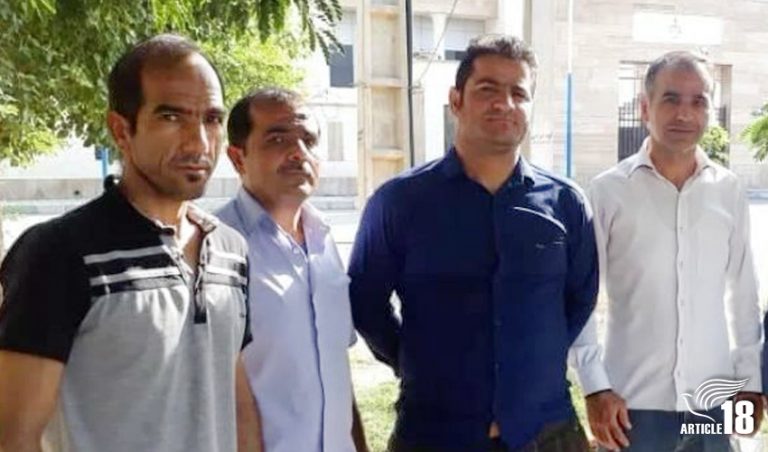
Converts cleared of any crime must now attend ‘re-education’ classes
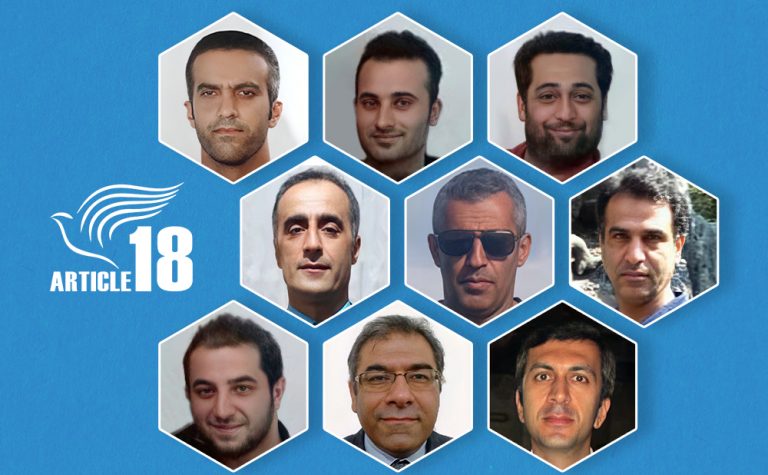
Date set for historic appeal hearing
Iran’s Supreme Court agrees to review Christian convert’s 10-year prison sentence
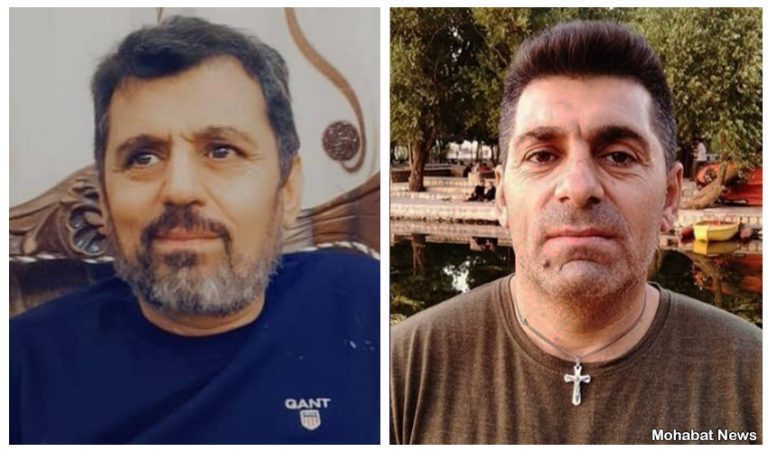
Isfahan brothers still missing after Christmas arrest
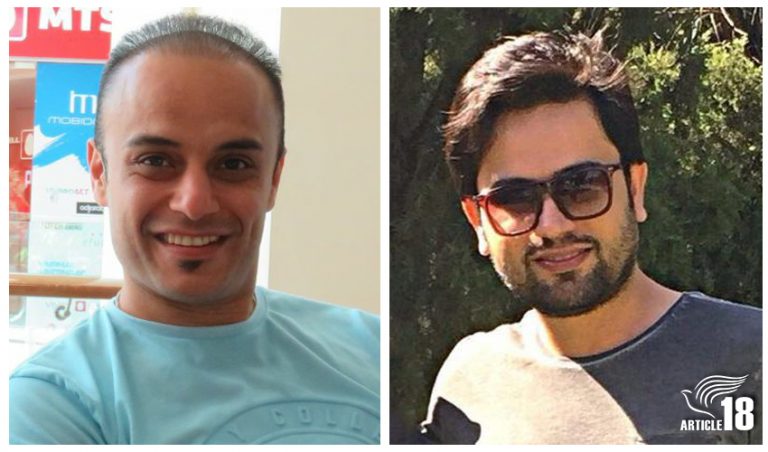
Christian converts conclude prison sentences, but one now faces exile

Christian convert back in prison just two weeks after release
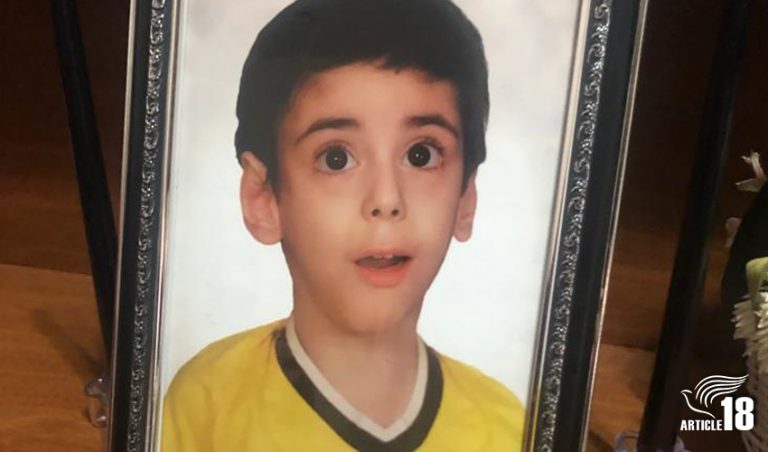
Christian prisoner of conscience mourns death of only child
Convert begins four-year prison sentence for ‘spreading Christianity’
Lawyer of imprisoned Christian asks what danger his client’s release would pose
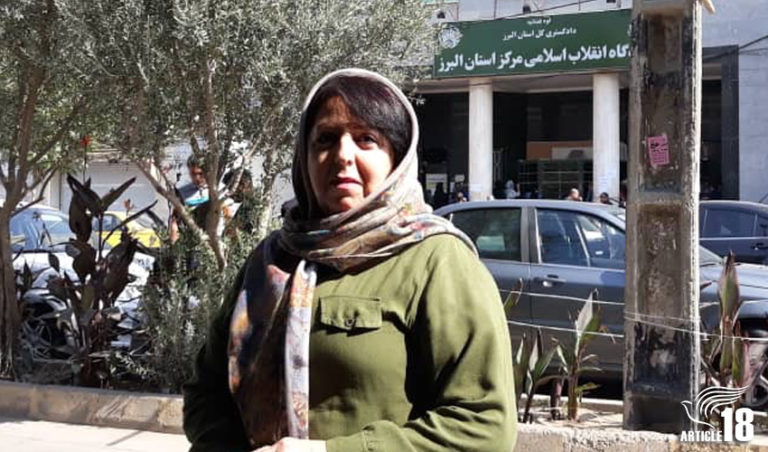
Christian woman imprisoned ‘for believing in Jesus’ faces fresh accusation
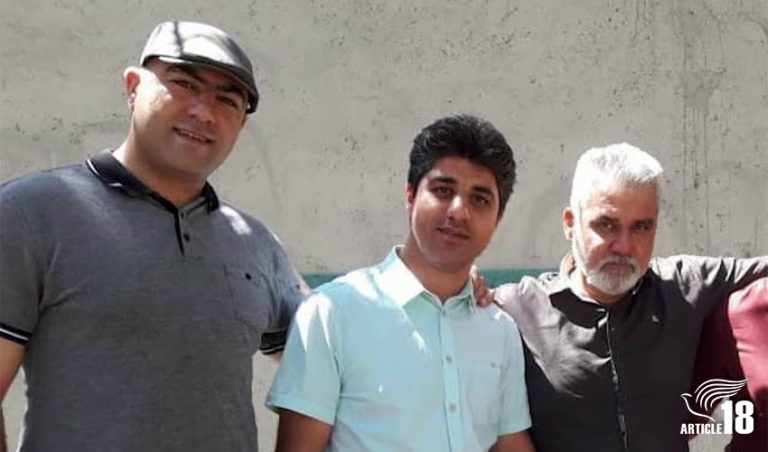
Christian converts granted belated Christmas break from prison
Nine converts conditionally released following Supreme Court ruling
Christian converts cleared of any crime
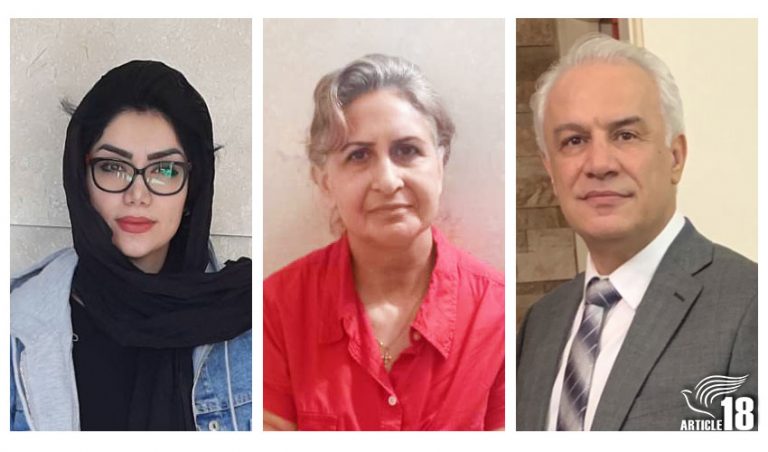
Christians’ belongings held unlawfully, says lawyer
Iran’s Supreme Court rules converts did not act against national security
Christian converts told to return to prison
Christian converts summoned to begin prison sentences for ‘deviant propaganda’
Christian converts’ property returned after six-month wait
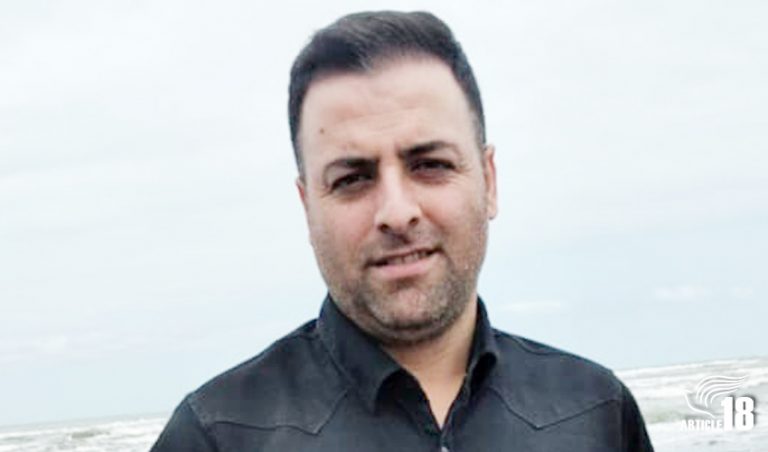
Convert denied parole – he never applied for it
Intelligence agents refuse to return Christians’ belongings
Christians summoned to Tehran prosecutor for final defence
Christian convert refused parole again despite assurances
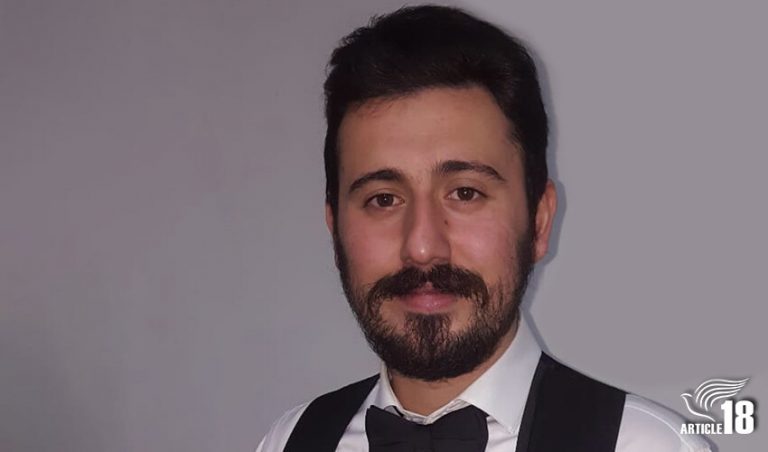
Convert released on bail after month’s incommunicado detention
Convert arrested three weeks ago still detained, incommunicado
New arrests and threats as pressure increases on Rasht converts

Christian convert given leave from prison
Christian converts’ sentences reduced but appeals rejected
Intelligence agents ‘refusing to return Christians’ property’
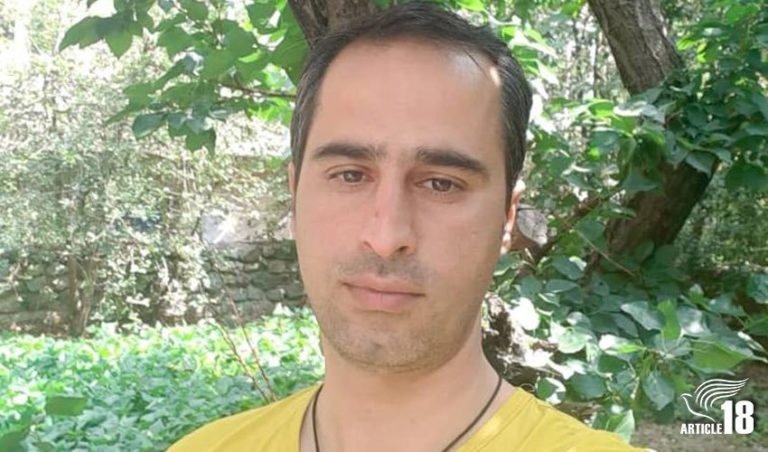
Christian convert fitted with electronic tag
Four more Christian converts charged with ‘propaganda against the Islamic Republic’
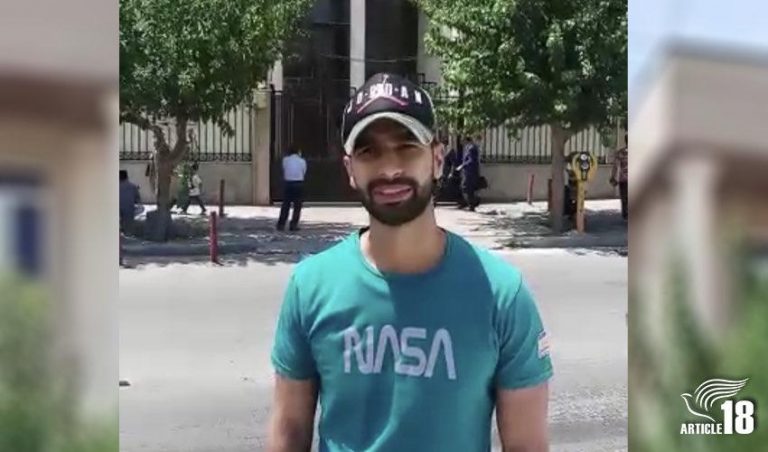
Christian convert begins prison sentence for ‘propaganda against Islamic Republic’
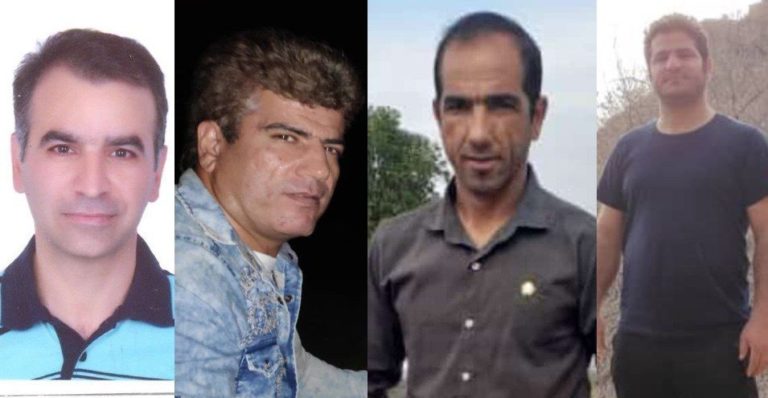
Christians summoned to answer charges of ‘propaganda against the Islamic Republic’
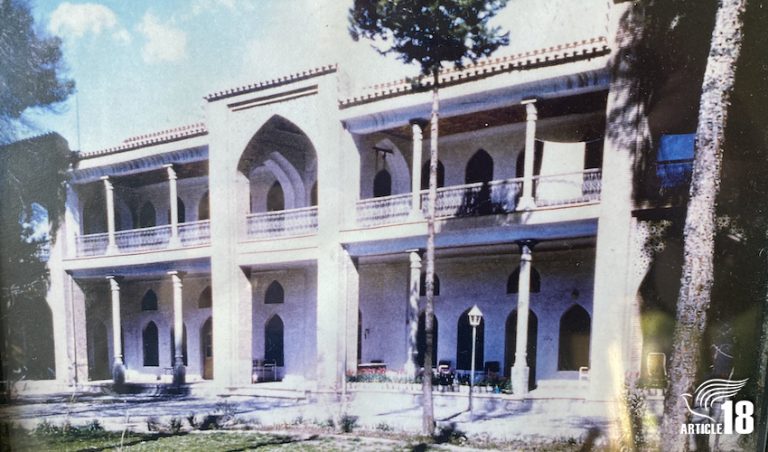
Bishop’s house ‘to be turned into a museum’
Nasser Navard Gol-Tapeh’s request for conditional release rejected
Christian converts given maximum five-year sentences under penal code amendments
Christian convert’s appeal rejected, summoned to serve sentence
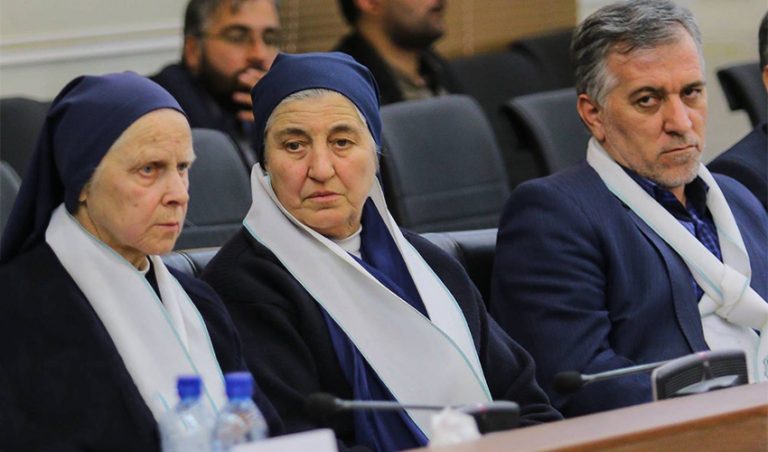
Elderly Italian nun told she must leave Iran
Convert begins prison sentence for ‘promoting Christianity’
Prison deadline looms for Parkinson’s sufferer and wife
Christian converts charged under Iran’s newly amended ‘propaganda’ law
Convert faces prison for ‘promoting evangelical Christianity’
Christian converts released on condition they stop meeting together
Christian convert given 10-month sentence for ‘propaganda against Islamic Republic’
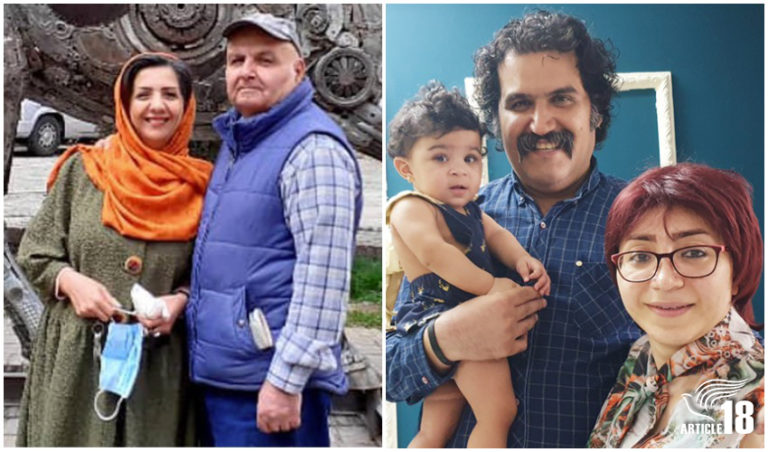
Christian converts take appeals to Iran’s Supreme Court
Four Christian converts arrested in Dezful, others interrogated
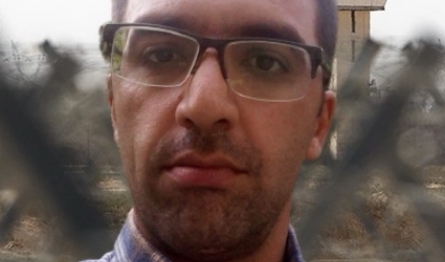
Christian convert released after over three years in prison
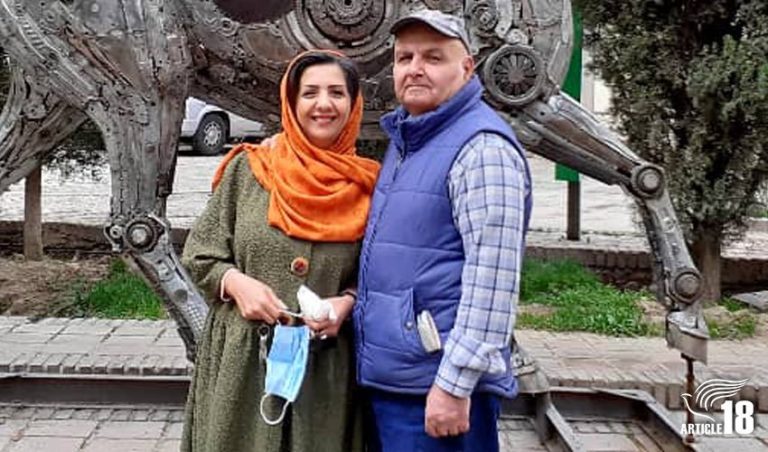
Parkinson’s sufferer and wife summoned to begin prison sentences
Iranian Christian convert with Parkinson’s disease faces prison
Ebrahim Firouzi released on bail, but charges not dropped
Yasser Mossayebzadeh granted conditional release from prison
Ebrahim Firouzi still in prison as church council voices concern
Ebrahim Firouzi promised release, ends hunger strike

Ebrahim Firouzi to begin hunger strike after latest imprisonment
Exiled Iranian Christian convert summoned to explain ‘propaganda’

Iranian Christians ordered not to meet – in person or online
Converts face prison for ‘promoting Christianity’
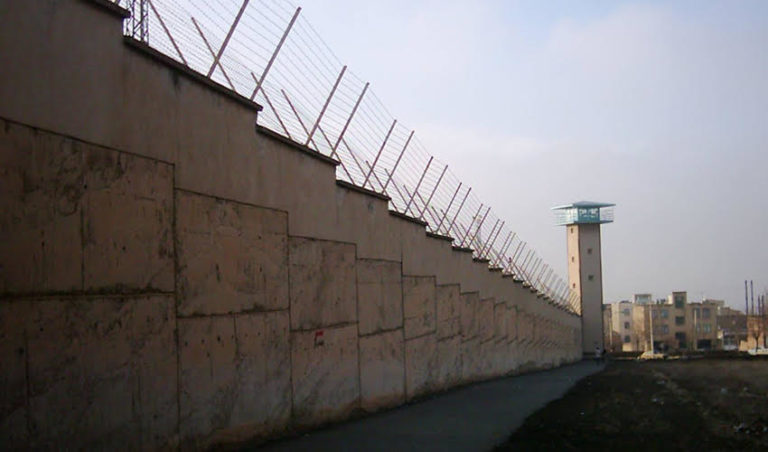
Iranian Christian group ‘dismantled’ for ‘creating moral deviations’

Mary Mohammadi told she can’t have old job back, arrested again
House-church leaders acquitted of ‘acting against national security’

Four Christians given combined 35 years in prison
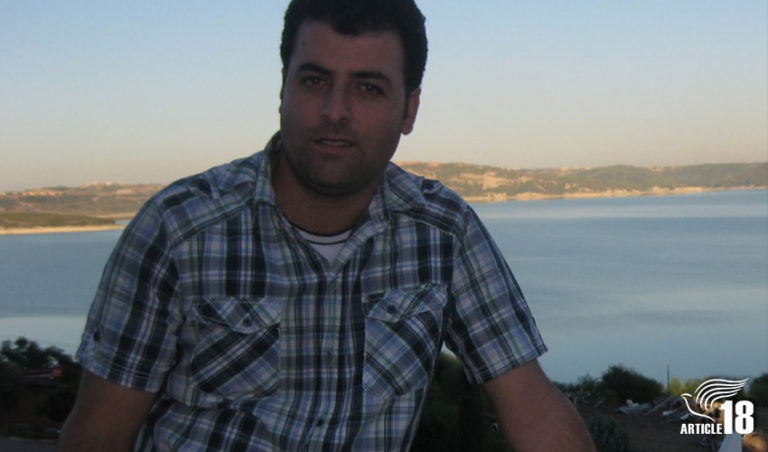
Second convert flogged for drinking Communion wine
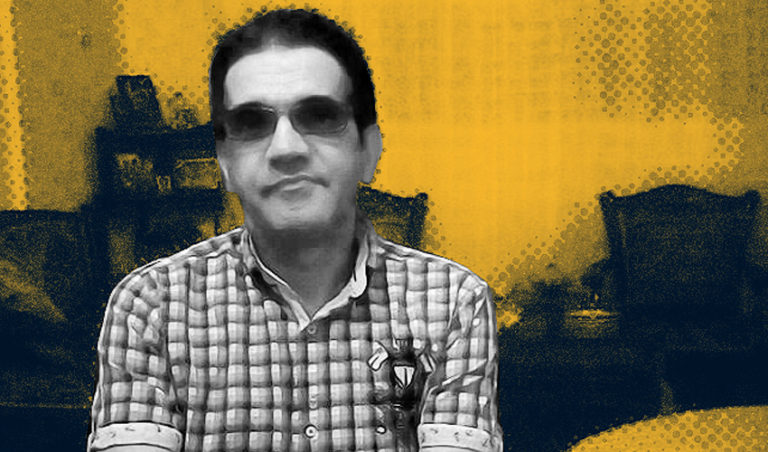
Christian convert’s third plea for retrial rejected
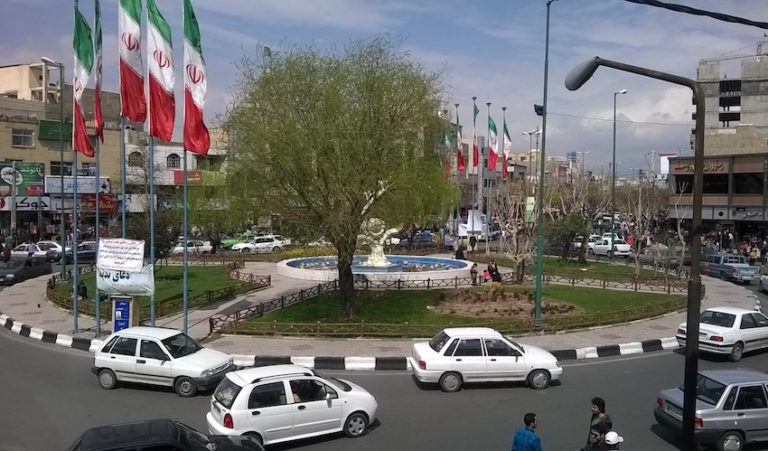
Christian homes targeted in coordinated Fardis raids
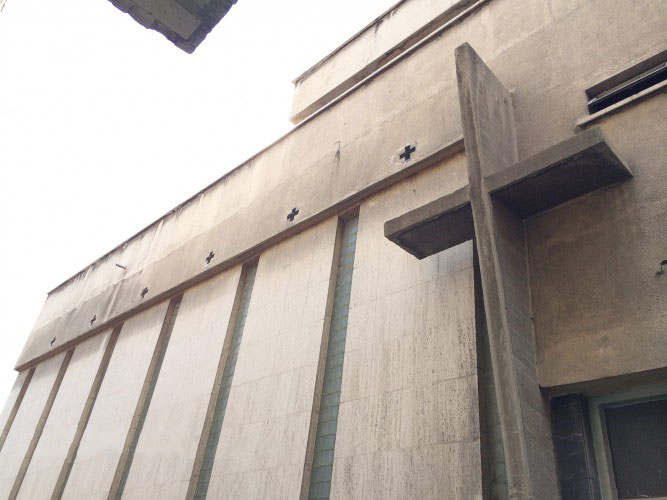
Tehran church with giant cross demolished
Saheb Fadaie returns to prison after short furlough
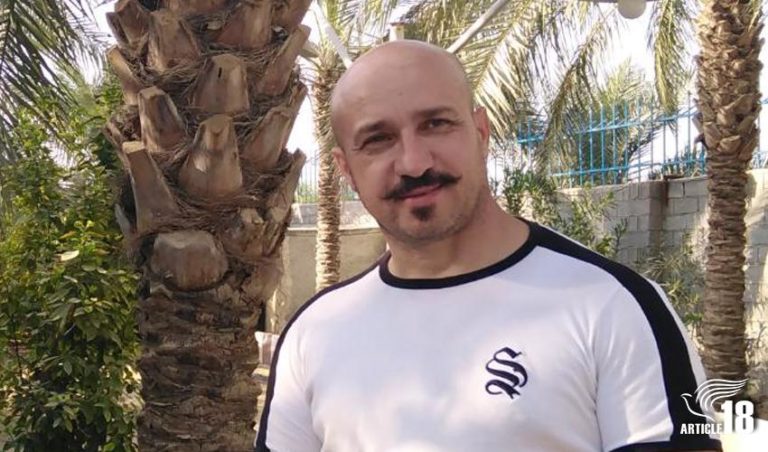
Iranian convert lashed 80 times for drinking Communion wine
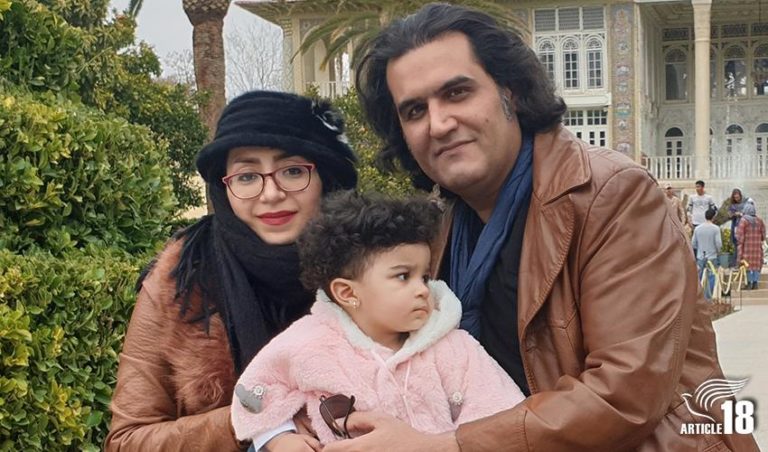
Lawyers and activists call on judiciary to overturn ‘illegal’ adoption ruling against converts
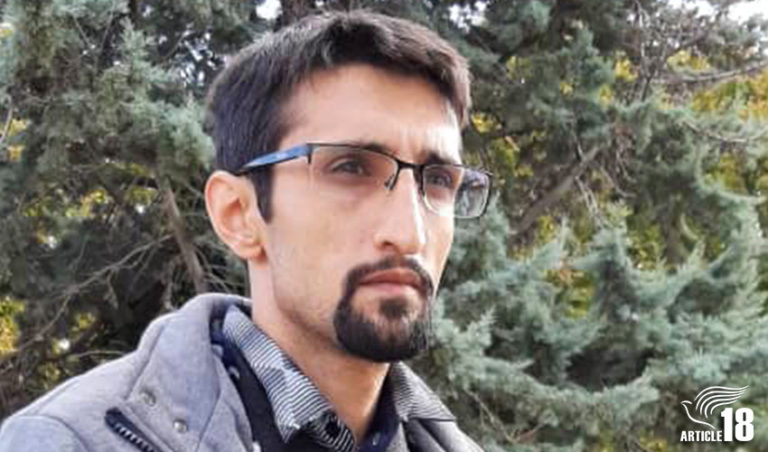
After years in prison and exile, Ebrahim Firouzi cleared of new charges

Christian converts’ adopted child to be removed from their care
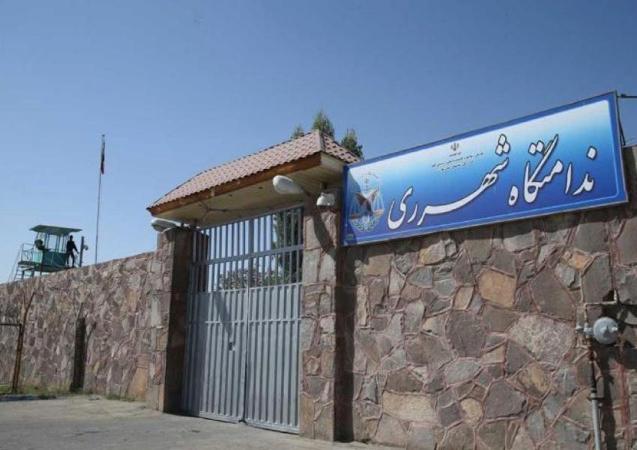
Christian convert released on bail after two months in prison
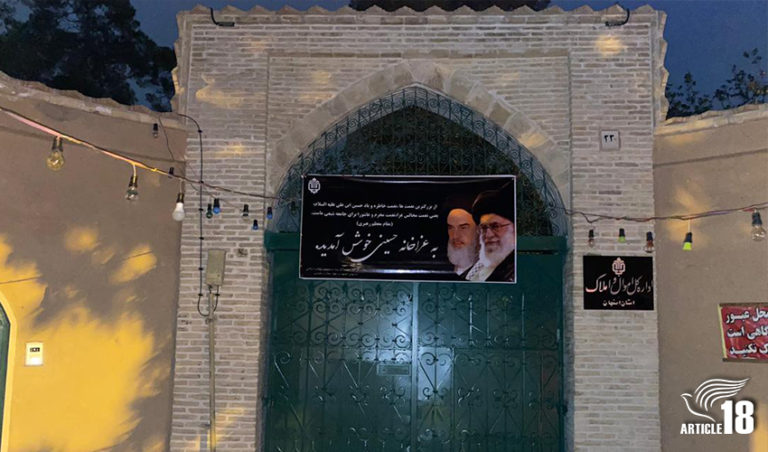
Expropriation of bishop’s house completed 41 years after confiscation
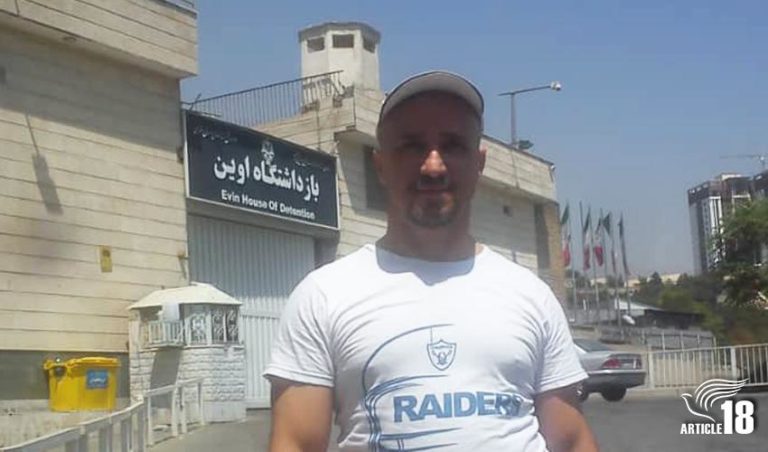
Convert begins exile weeks after leaving prison

Christian converts leave Iran, facing combined 35 years in prison
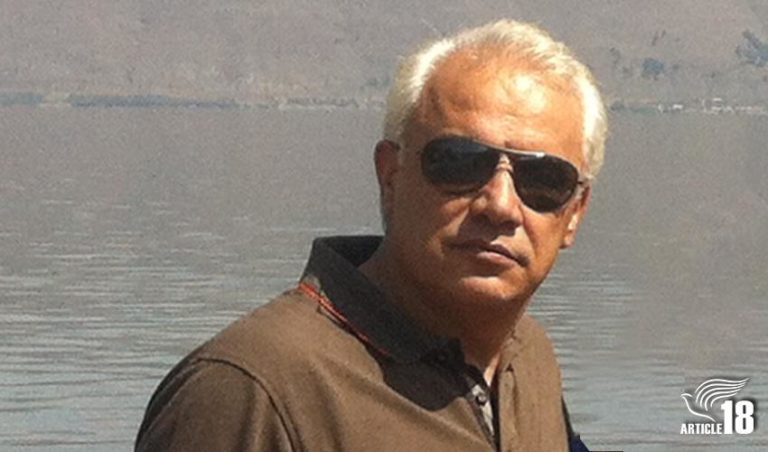
Joseph Shahbazian released on bail after 54 days
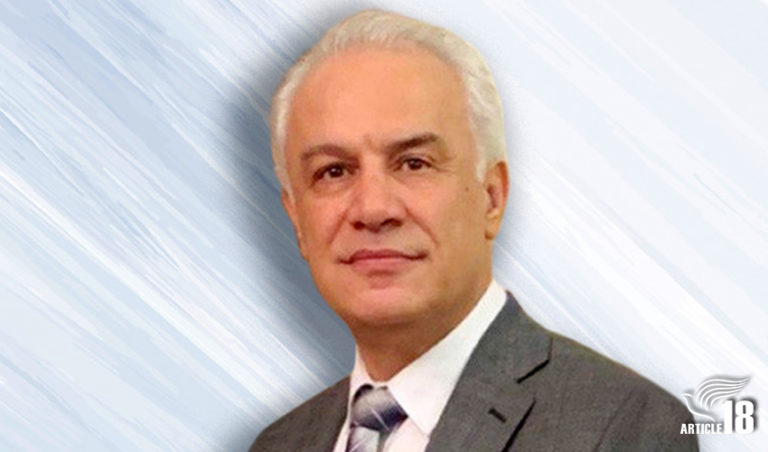
Iranian-Armenian Christian prisoner’s family see him for first time in seven weeks

Iranian-Assyrian Christians flee but vow to continue legal battle
Convert released after two years in prison
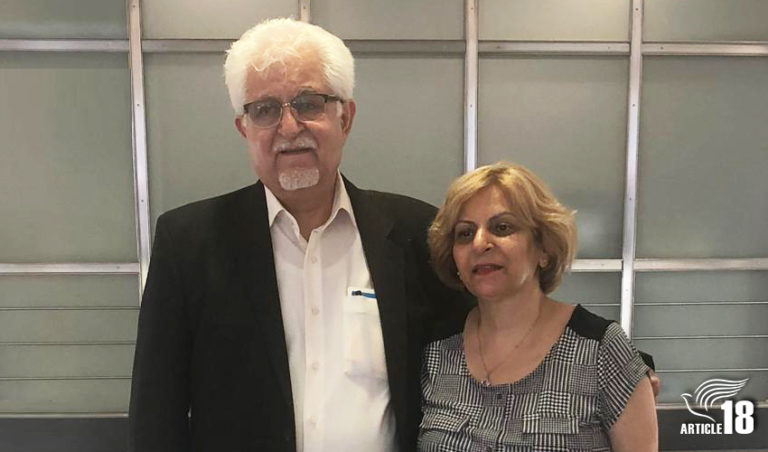
Iranian-Assyrian Christian couple lose appeals against combined 15 years in prison
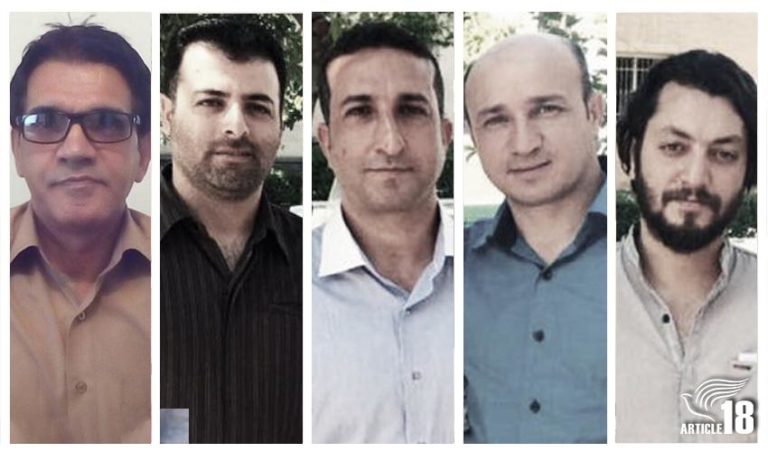
Concerns for Christians after coronavirus outbreak at Evin Prison
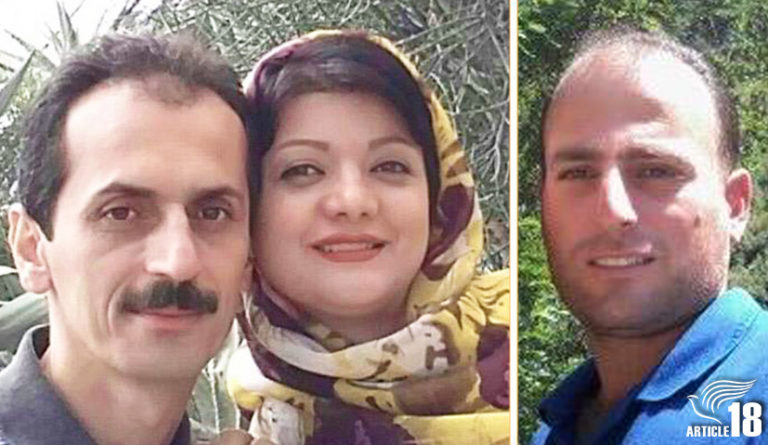
Prison sentences for Rasht converts
Unprecedented bail demand for Iranian-Armenian house-church leader
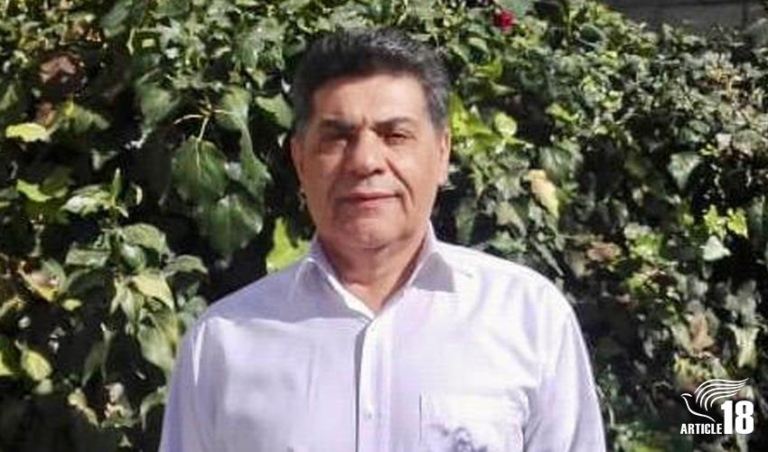
Esmaeil Maghrebinezhad faces prison as final appeals fail
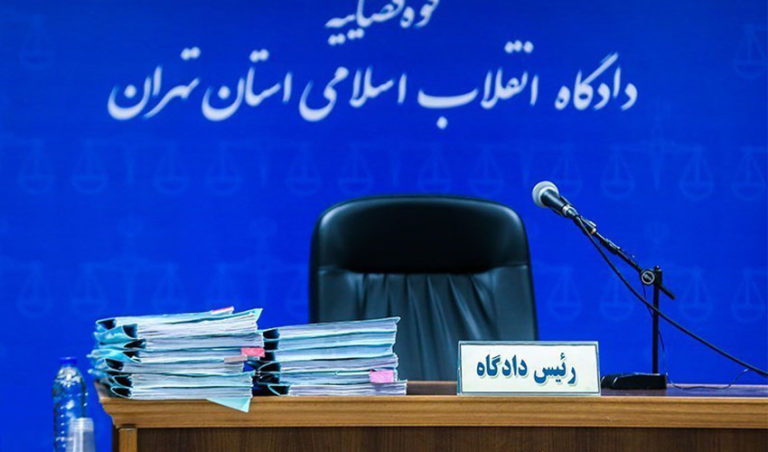
Converts charged with acting against national security by promoting ‘Zionist Christianity’
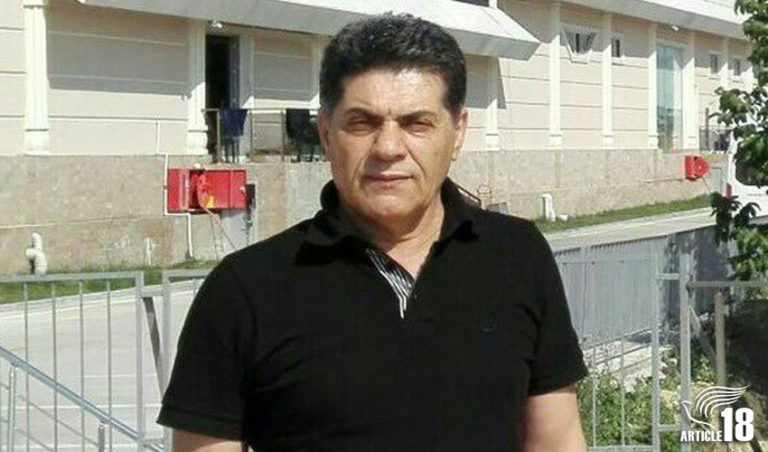
Christian convert, 65, overturns first of three jail sentences on appeal
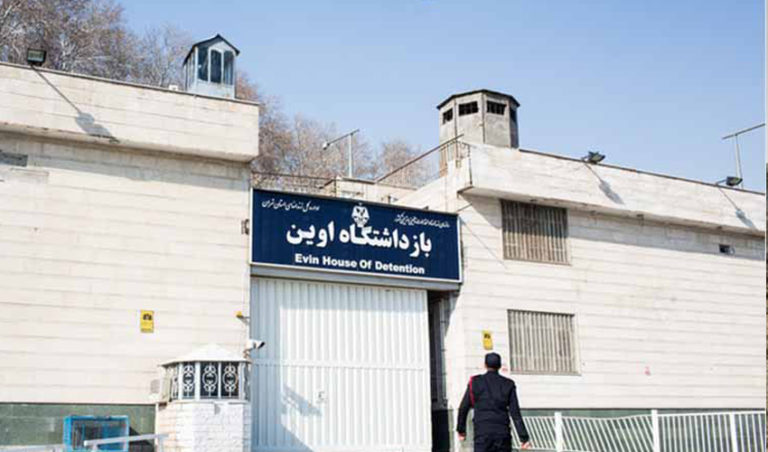
Arrest of another Christian convert confirmed in Tehran
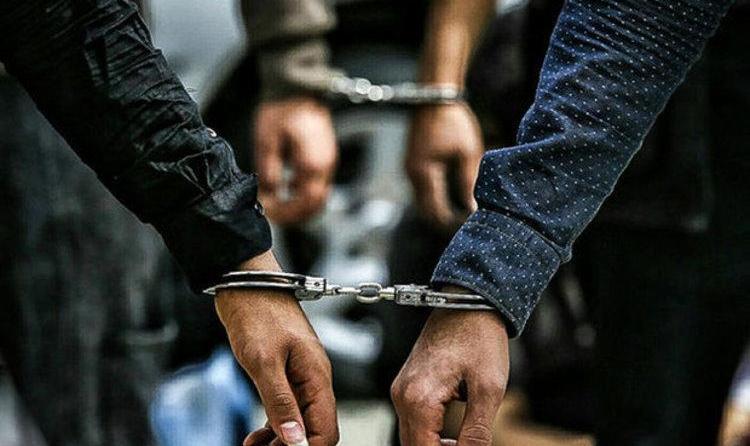
12 Christians arrested by Revolutionary Guards in three cities
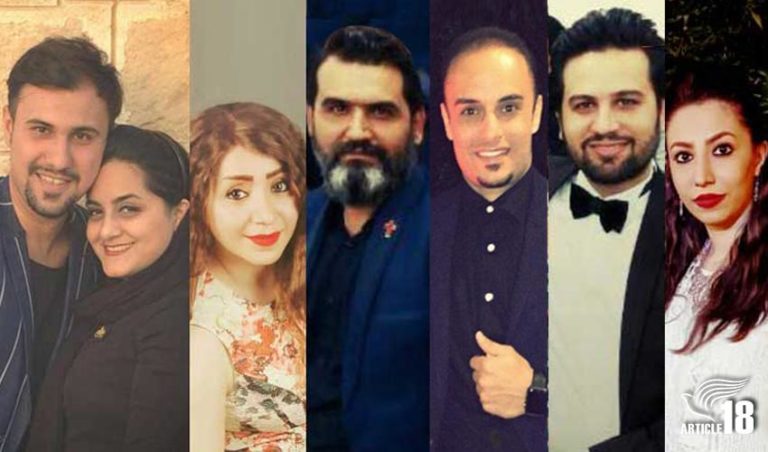
Bushehr Christians face prison, exile, work restrictions and fines
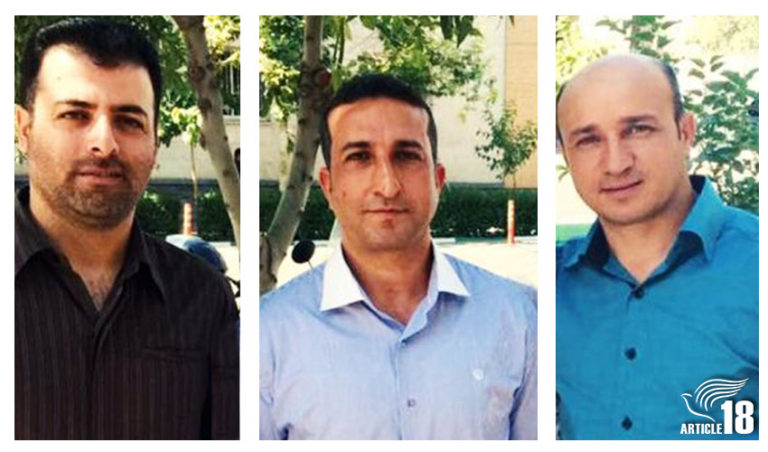
Converts’ sentences reduced, but not overturned
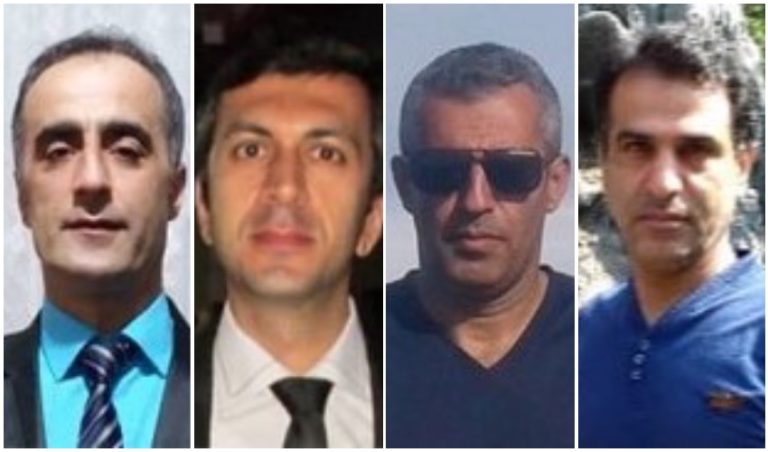
Rasht converts pleaded for more time with families before imprisonment
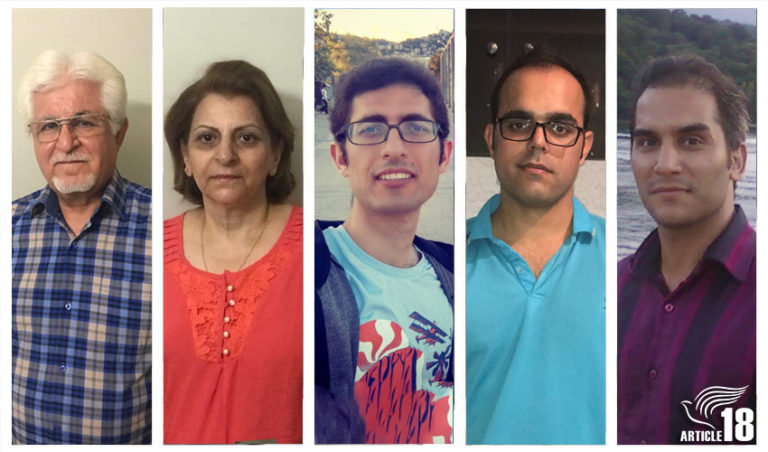
Christians’ appeal hearing postponed again – this time without excuse
House-church leaders summoned to begin five-year prison sentences

Fires at three religious minority sites in days
Anglican Church member given third prison sentence
Iranian converts sent to jail, unable to afford bail

Mary Mohammadi given suspended prison sentence and lashes
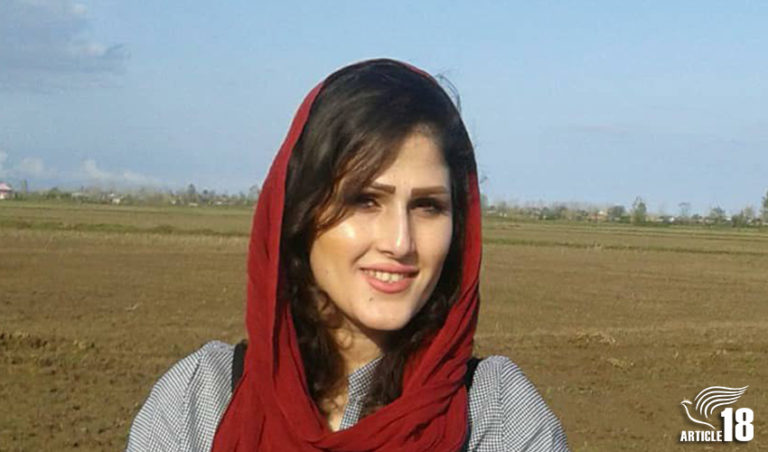
Easter release for Iranian woman convert
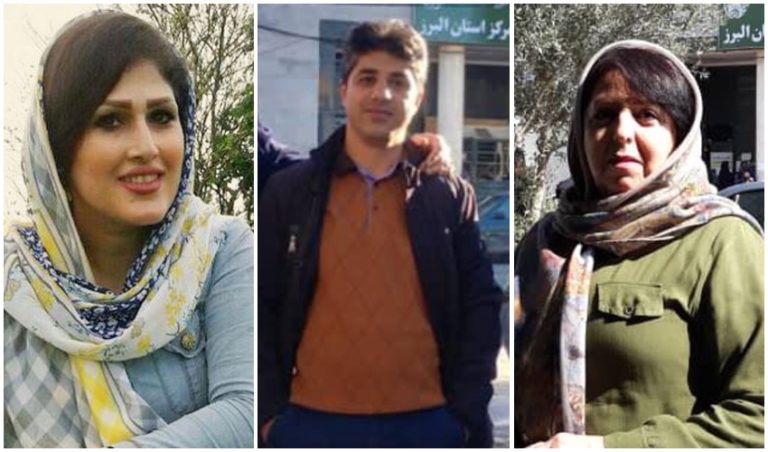
Christian convert, 62, released from prison, leave extended for two others
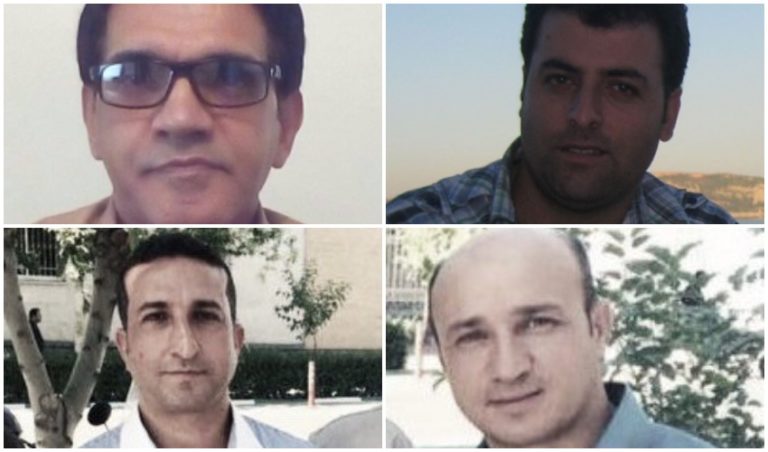
Iranian Christians denied furloughs even though retrials underway

Ebrahim Firouzi’s exile extended by 11 months

Convert gets two more years in prison for ‘Evangelical Zionist Christianity’
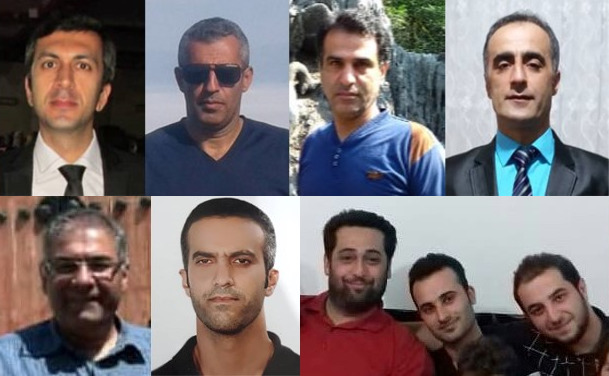
Converts lose appeals against five-year sentences
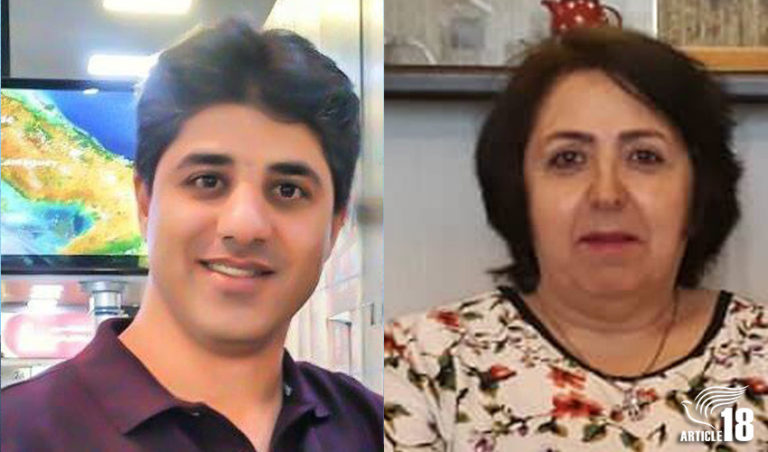
Six Christians among 54,000 released from prison

Mary Mohammadi thanks supporters as court hearing postponed
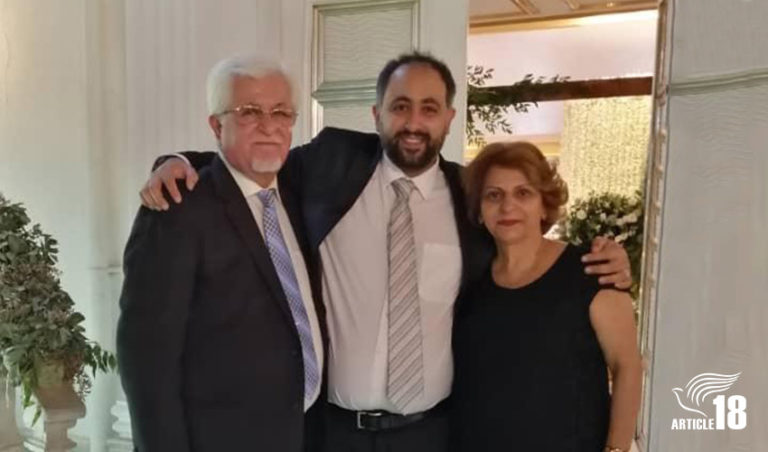
Assyrian Christian Ramiel Bet-Tamraz released from prison
Christians’ appeal hearing postponed again over procedural issue
Confirmed: Mary Mohammadi is in Qarchak Prison

Iranian Christians granted early release from prison
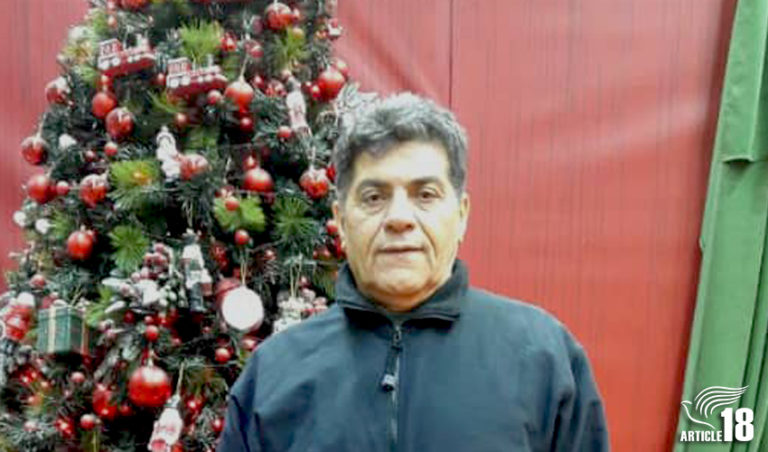
Christian convert, 65, sentenced to three years in prison

Christian convert Fatemeh Mohammadi arrested in Tehran
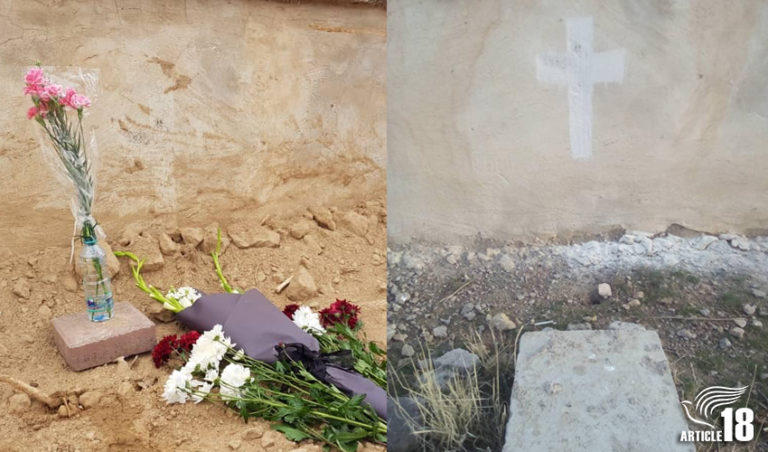
Iran bulldozes grave of pastor executed for apostasy
Pastor’s son summoned to begin jail sentence
Converts begin six-month jail sentences
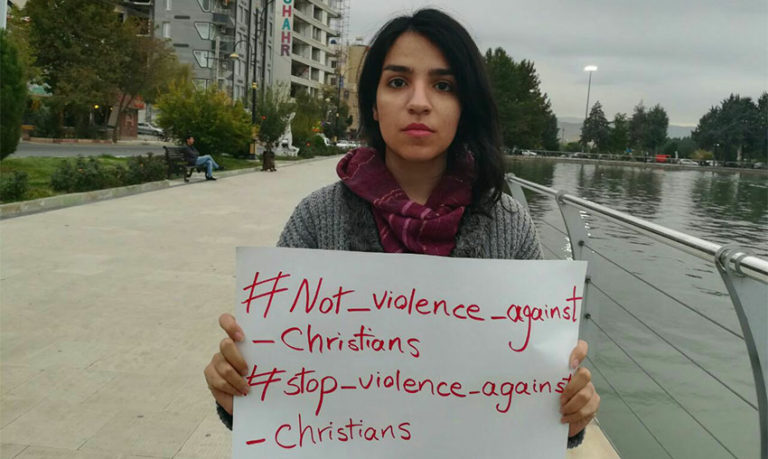
Iranian Christian activist kicked out of university

Iranian news site reports arrest of Christian evangelist
Iranian convert denied medical treatment in Evin Prison
Assyrian Christian among Iran protest dead
Jailed lawyer who helped Christian convert demands retrial
Christians’ appeal hearing postponed again as court ‘too crowded’
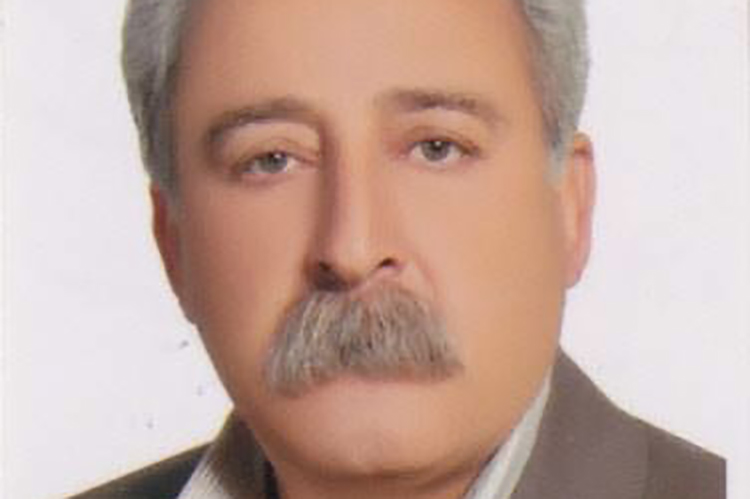
Iranian Yarsani kicked out of university because he won’t say he’s Muslim
Ebrahim Firouzi sent into exile 1,000 miles from home
Christian convert’s bail increased tenfold
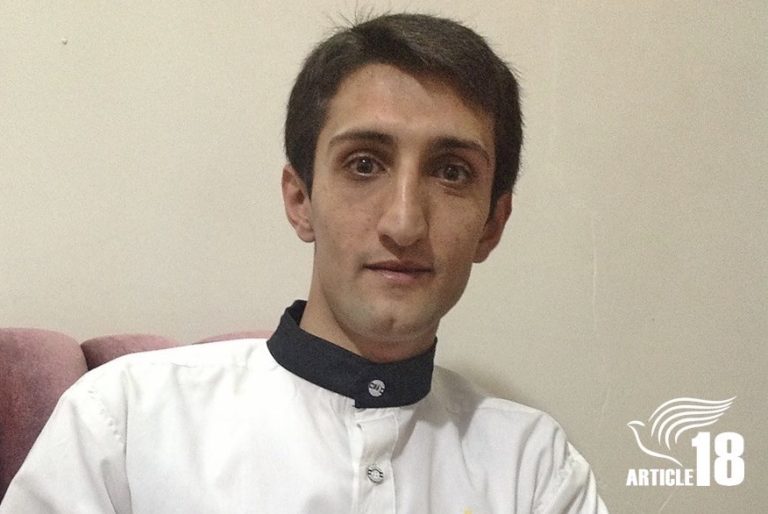
Ebrahim Firouzi returns home from prison but now faces exile
Nine converts given five-year sentences
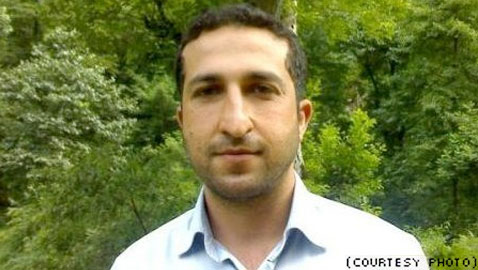
Yousef Nadarkhani ends hunger strike after 21 days
‘I was arrested for the crime of believing in Jesus’ – Rokhsareh Ghanbari
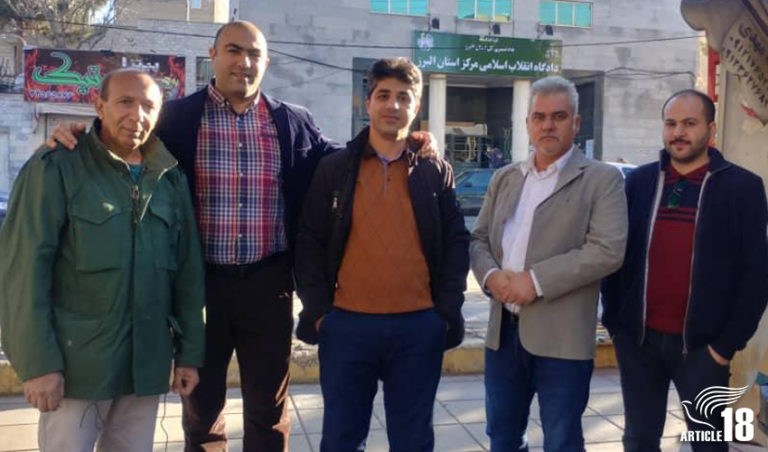
Amin Khaki remains in prison as friends go home
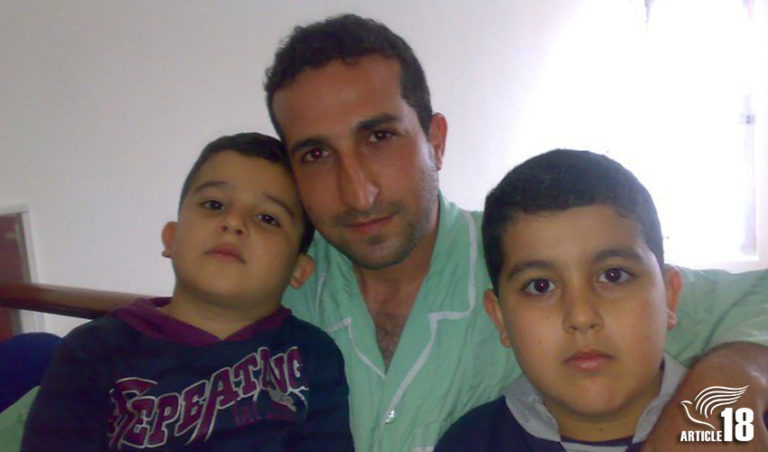
Yousef Nadarkhani goes on hunger strike as son barred from school
Three converts given six-month sentences for ‘promoting Zionist Christianity’
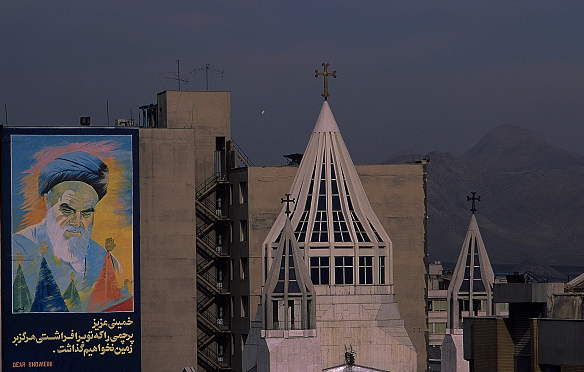
Tehran withdraws tax exemption from churches, synagogues
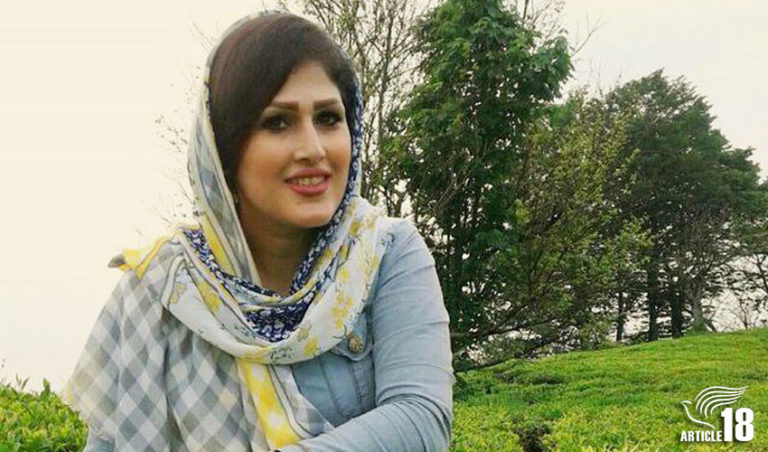
Fatemeh Bakhtari begins one-year jail sentence
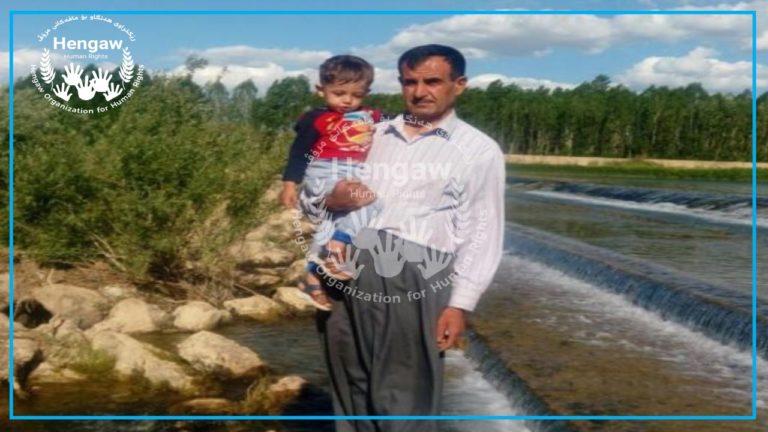
Bookseller jailed for selling Bible
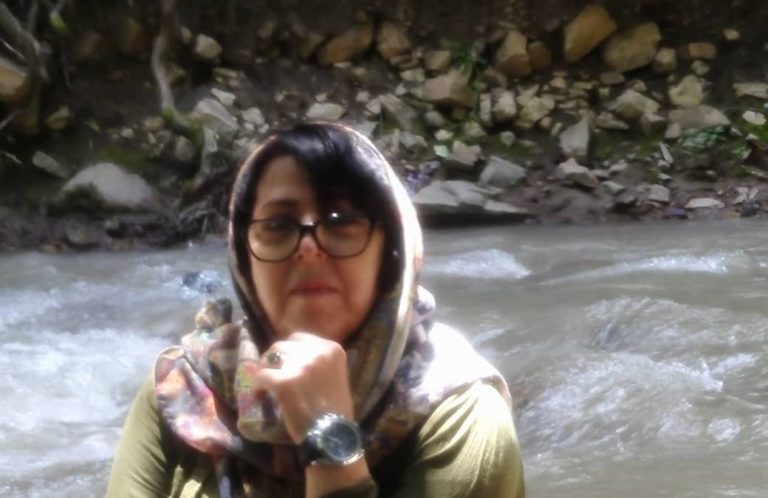
Woman convert, 62, sentenced to year in prison

Convert refused asylum in Germany arrested on return to Tehran
Church ban ‘worse than prison’ for woman convert who lost appeal
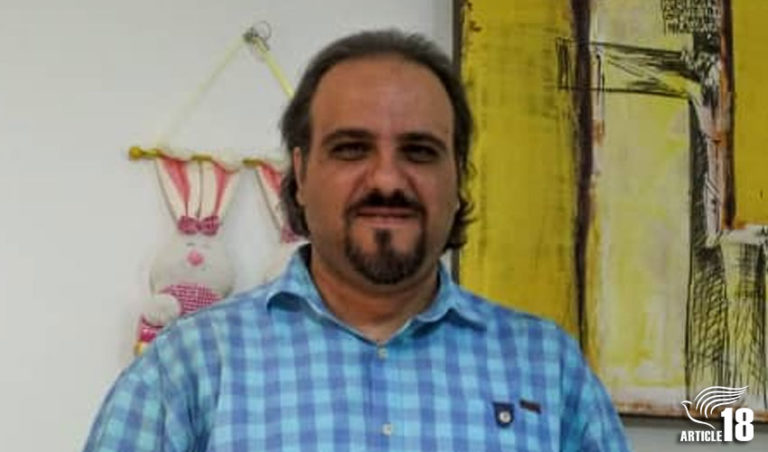
‘Now I know even innocents can be jailed’ – Sevada Aghasar after his conditional release
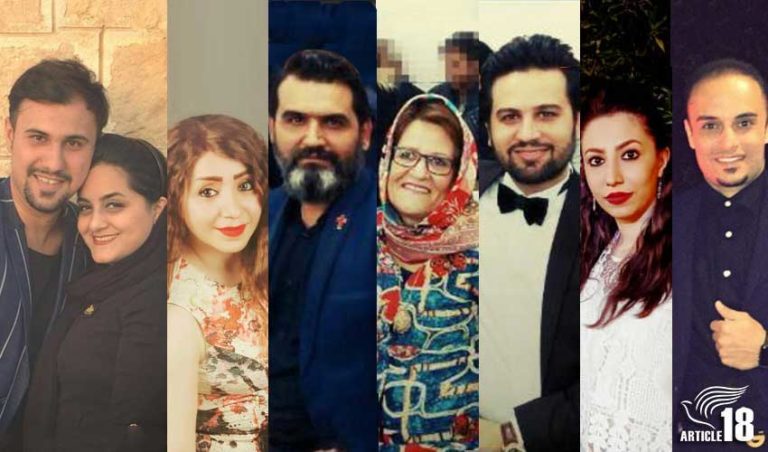
Bushehr Christians bailed but could face long jail sentences
Woman convert, 62, due in court next week
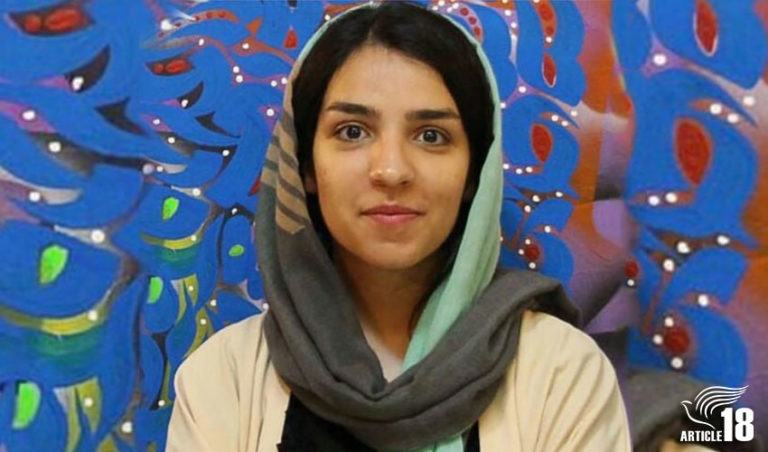
Christian activist arrested while filing complaint about assault
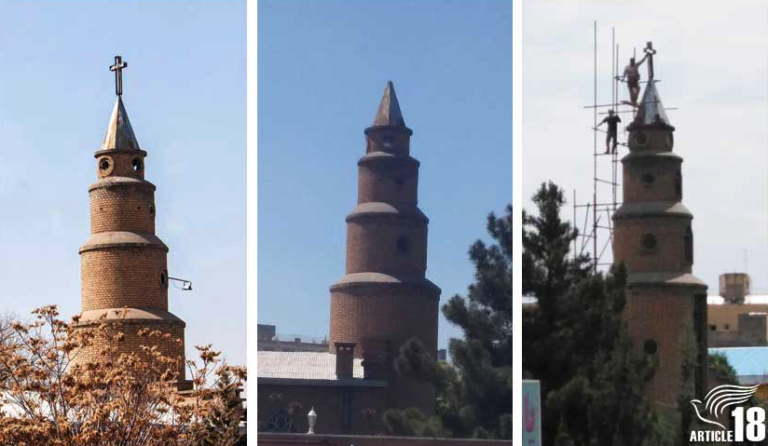
Cross put back on top of Tabriz church after outcry
Karaj converts begin jail sentences
Five family members among eight Christians arrested in Bushehr
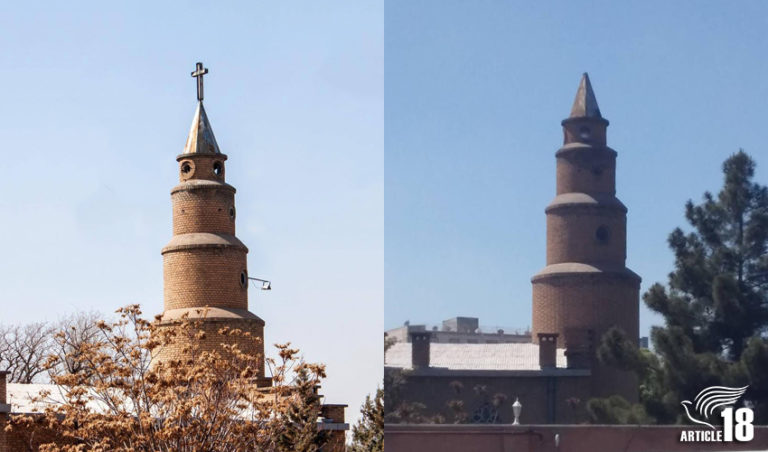
Assyrian Presbyterian church in Tabriz closed down

Four months after appeal hearing, converts told jail sentences upheld
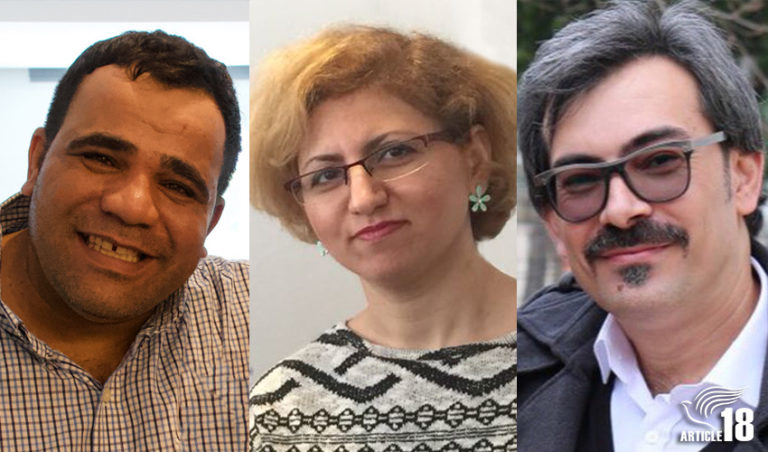
16 Bushehr converts face prison as appeals fail
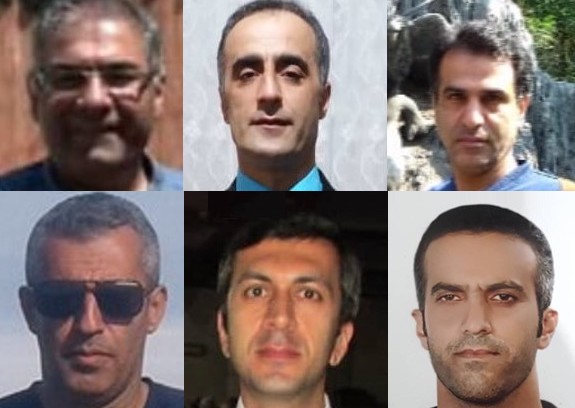
Seven Rasht converts released on bail, two detained
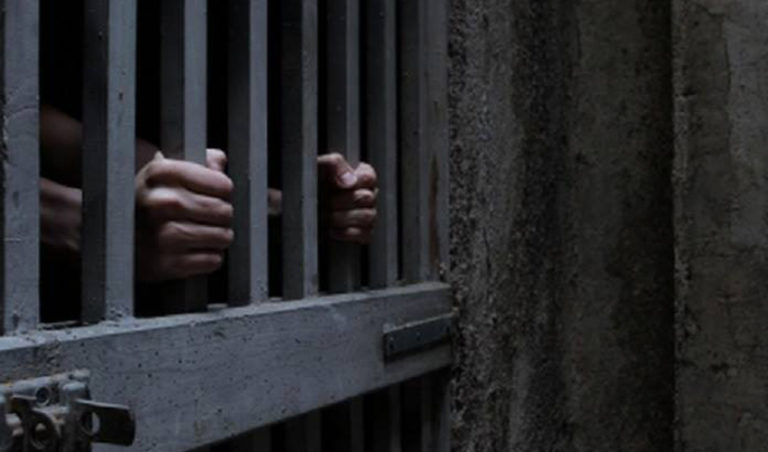
Arrests of Rasht converts continue, taking total to 9 in a month
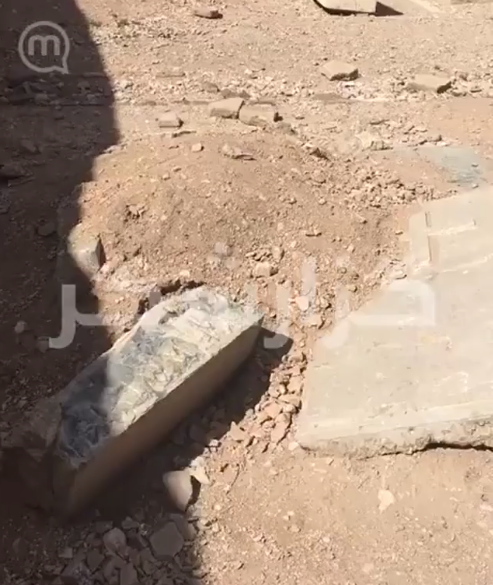
‘This used to be a Christian cemetery … but all the graves have been dug up’
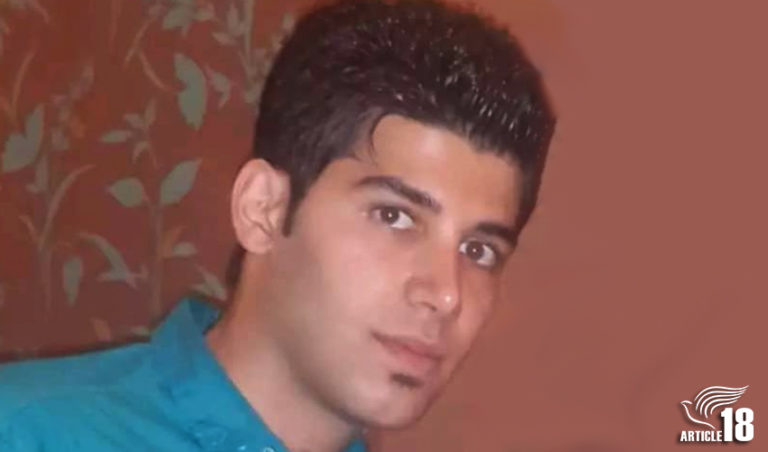
Convert charged with ‘propaganda against state’ for promoting Christianity
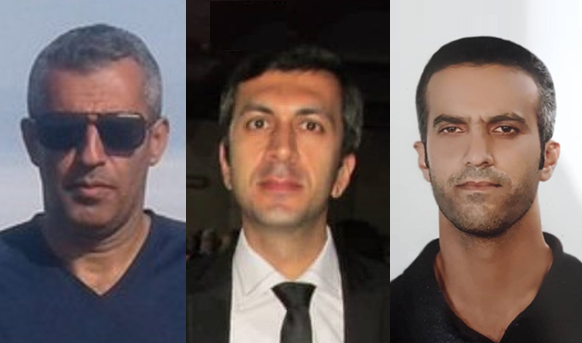
Three more members of Yousef Nadarkhani’s church arrested
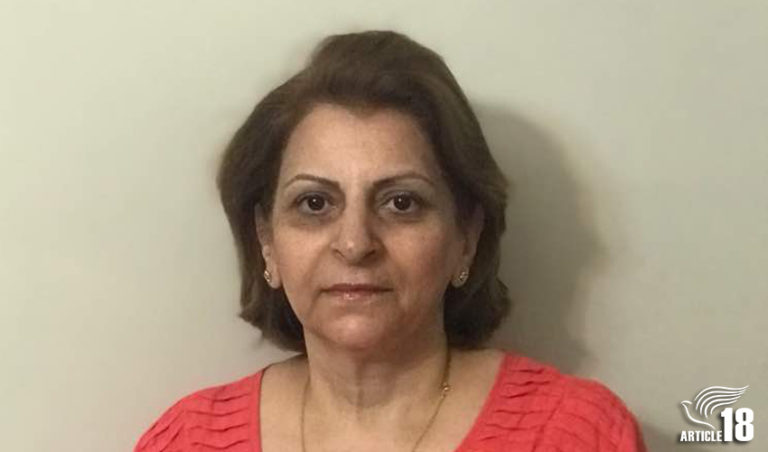
Shamiram Issavi’s appeal postponed until after Nowruz

Convert taken to Evin Prison, threatened with 10-year sentence
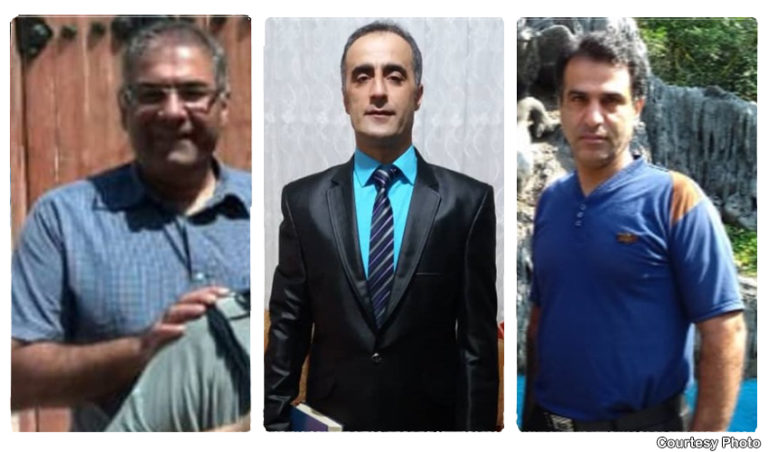
Three converts arrested at Yousef Nadarkhani’s church
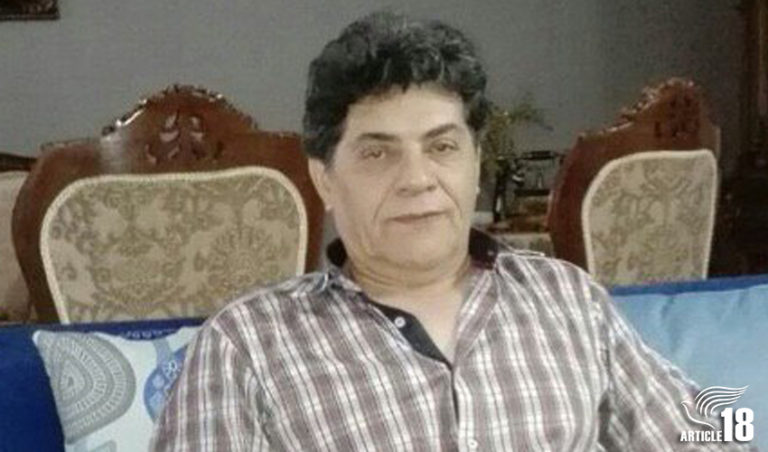
Convert, 64, charged with ‘insulting sacred Iranian establishment’
Convert forced to receive religious ‘instruction’ from Islamic cleric
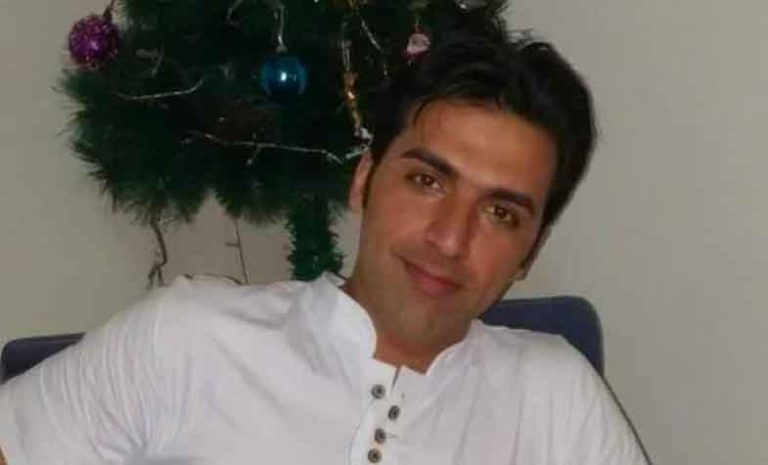
Christian convert’s jail sentence reduced on appeal
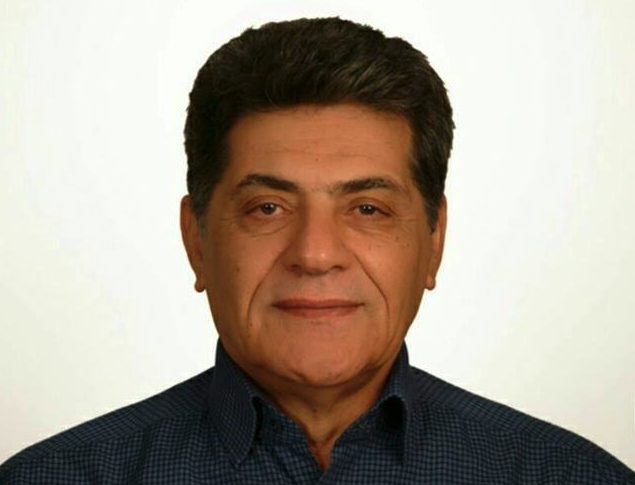
Iranian who converted 40 years ago arrested in Shiraz
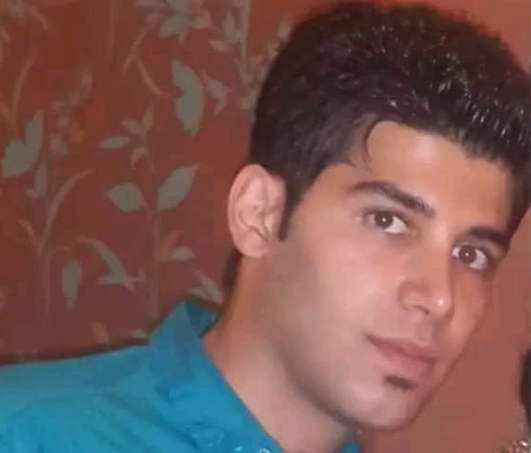
Convert, 26, arrested during violent raid on Isfahan home
Rasht converts told to renounce their faith by appeal court judges
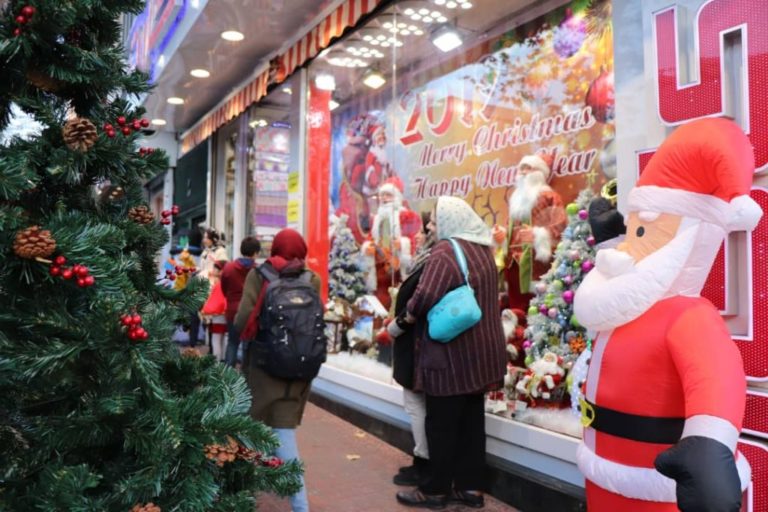
Iran’s Christians faced ‘unprecedented’ wave of arrests in 2018

Two sisters among four converts arrested in Ahvaz
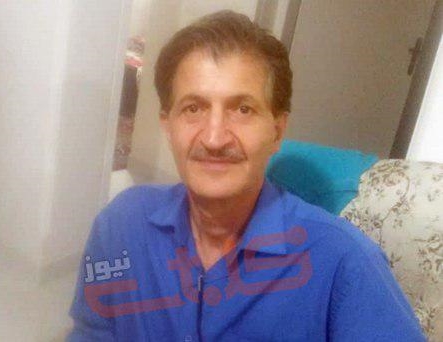
64-year-old convert released on bail after two weeks in solitary confinement
64-year-old convert who disappeared two weeks ago is in prison
114 Christians arrested in one week
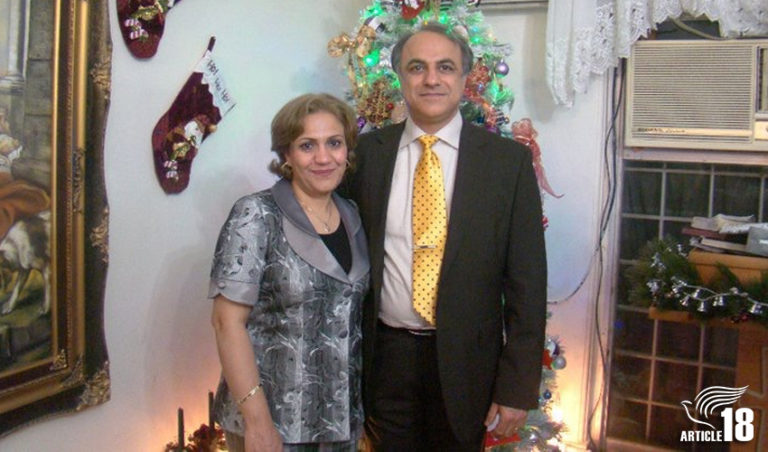
Iranian pastor and wife fled after threat of execution for apostasy
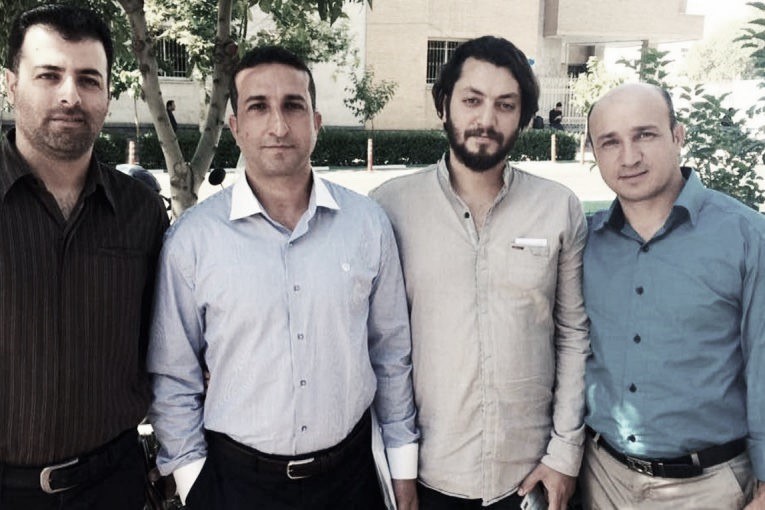
Rasht converts violently arrested

Pastor’s son sentenced to 4 months in prison
Aziz Majidzadeh released on bail from Evin Prison
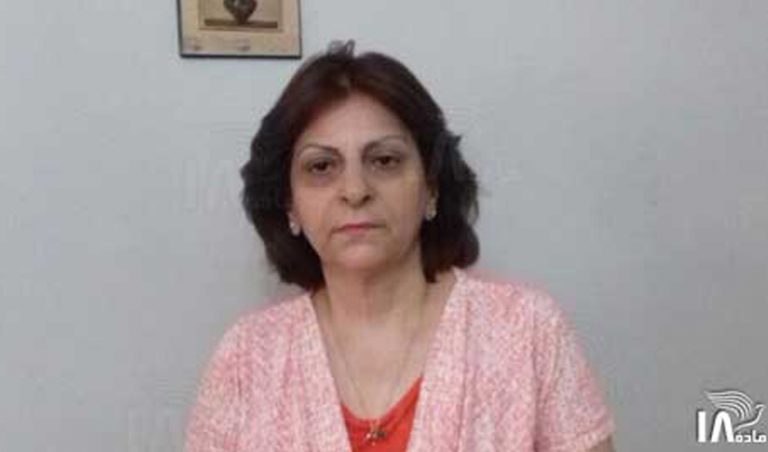
‘Baseless’ accusations against entire Assyrian Christian family at appeal hearing
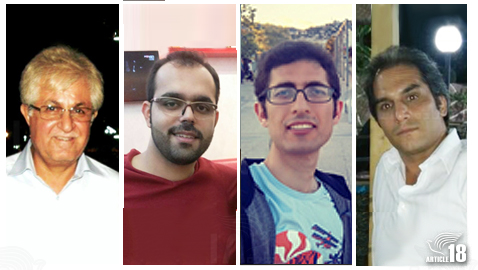
First appeal hearing for pastor and three converts

Hadi Asgari released on bail after 19 months’ detention
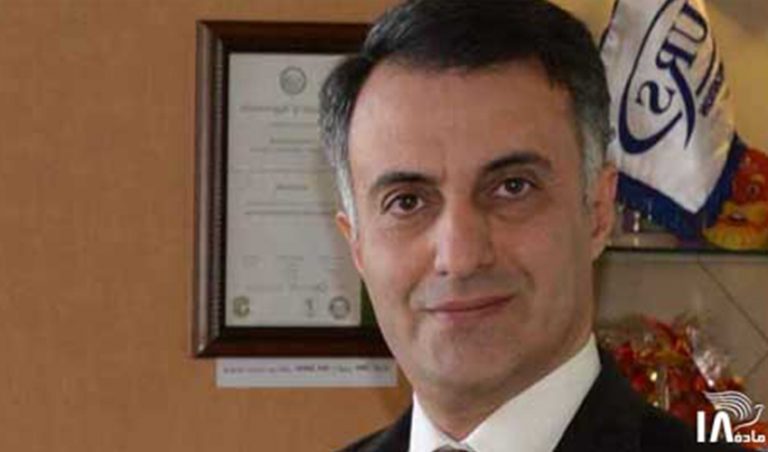
Christian convert Ali Amini arrested in Tabriz

Iranian Christians’ appeal hearing postponed
Assyrian Christian Shamiram Issavi sentenced to 5 years in prison
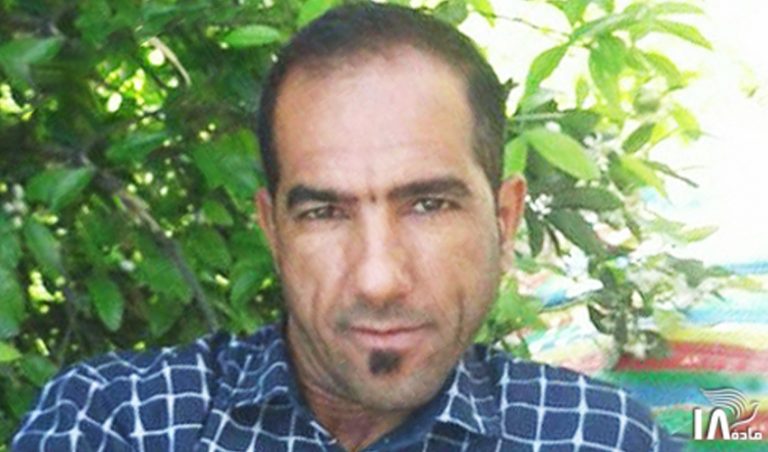
Mohammad Ali Torabi released on bail
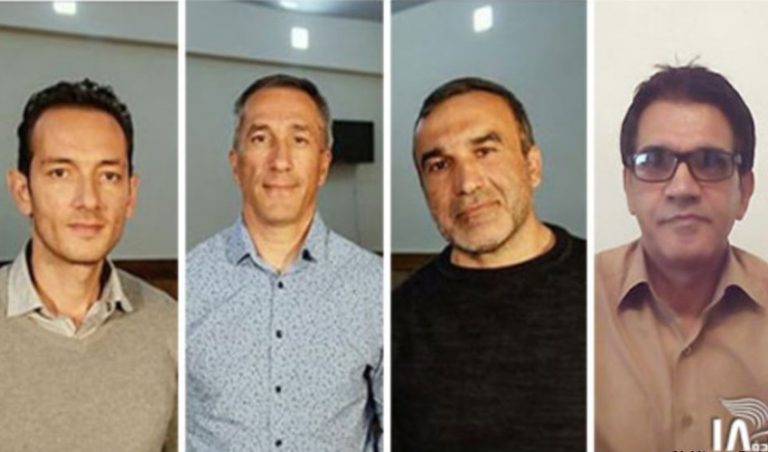
10-year prison sentences upheld for four Christians
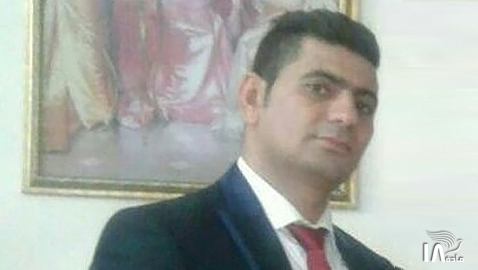
Another Christian convert arrested in Dezful
Iran detains another Christian convert
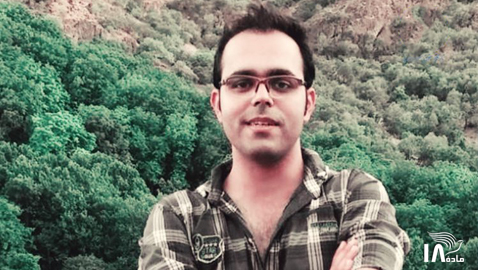
Christian convert Amin Afshar-Naderi released on bail from Evin Prison
Four converts given 10-year prison sentences
Four Christians receive long prison sentences
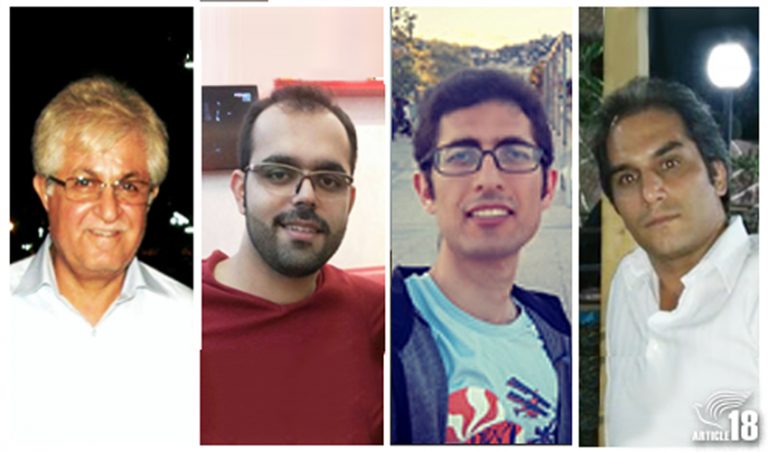
Court sentences four Christians to a total of 45 years in prison
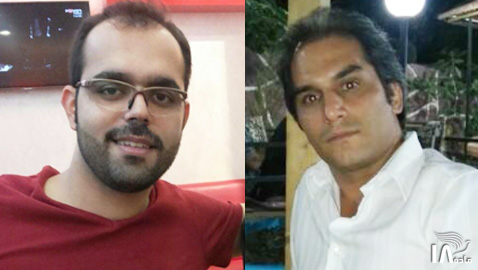
Christians converts end hunger strike after receiving assurances
Christians converts on hunger strike in Evin Prison
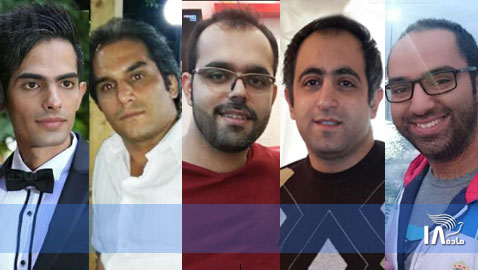
Five Christians arrested during garden raid in Firoozkooh
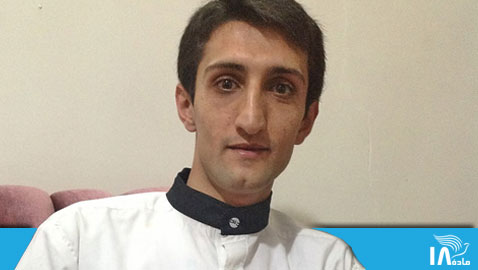
Christian convert begins hunger strike after beating by prison guards

Christian convert returned to prison without medical treatment
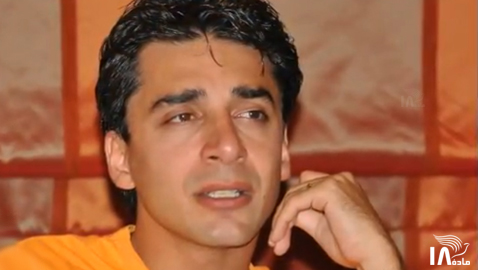
Farshid Fathi’s appeal against extra sentence rejected
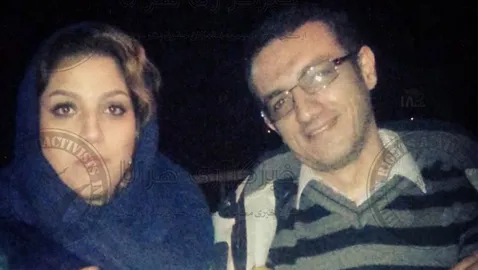
Five Christian converts arrested in Isfahan
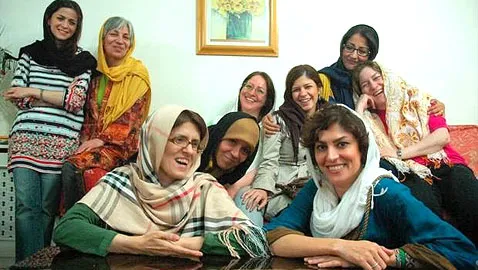
Christian converts among political prisoners released from Evin

Three Christian converts still detained month after arrest
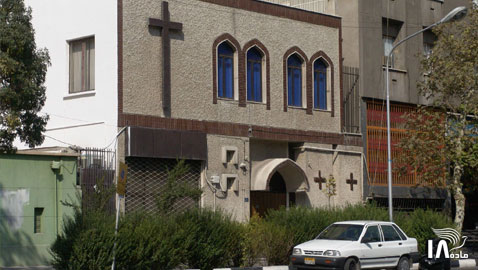
Tehran church faces threat of complete closure
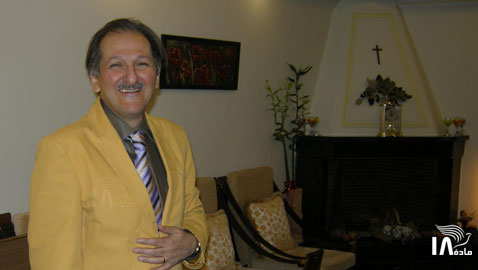
Retired Armenian pastor released on bail after two weeks’ detention
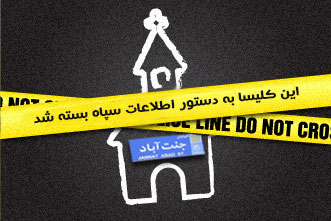
Tehran church forced to close by Revolutionary Guards
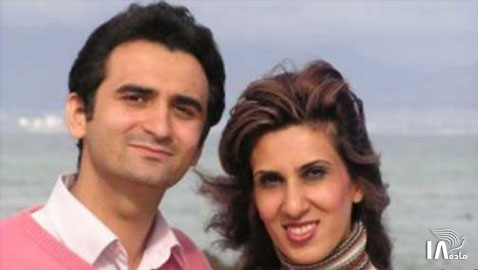
Evangelical church leader and wife arrested in Karaj
Tehran churches banned from holding services in Persian
Converts acquitted of apostasy but jailed for ‘propaganda’
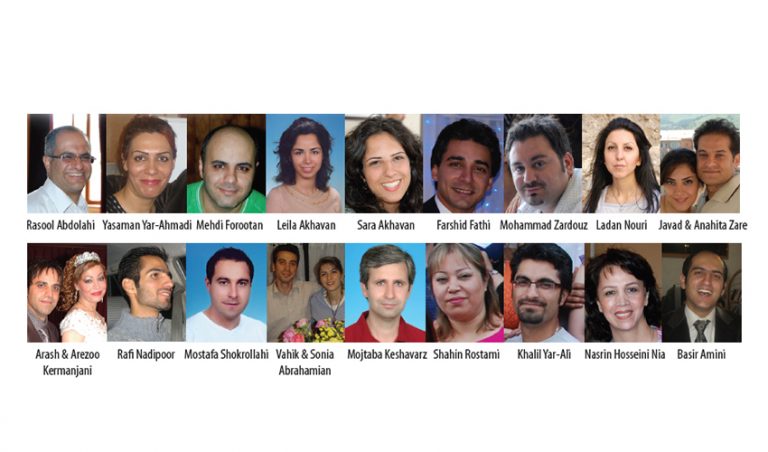
Mass arrests of Christians in days after Christmas
Iran in pictures
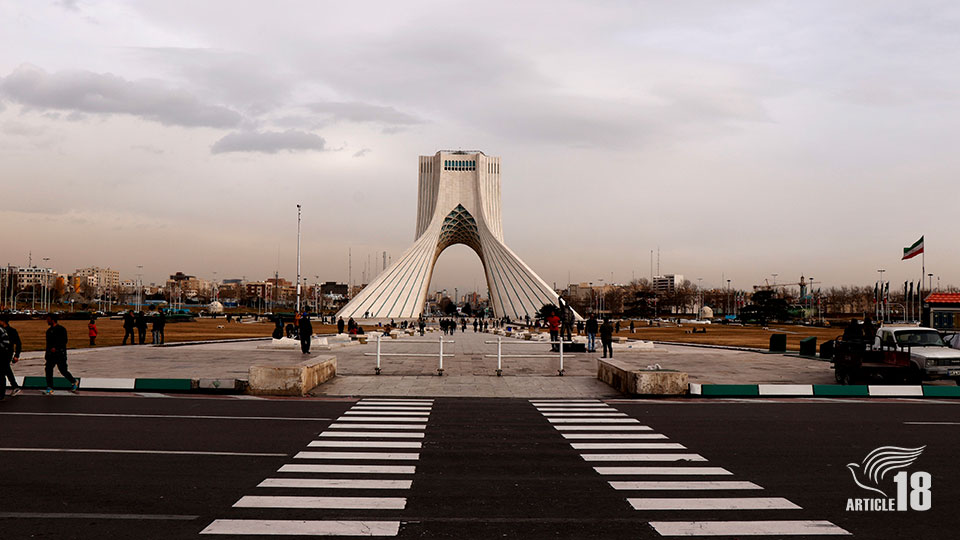
Azadi (freedom) Square
Tehran
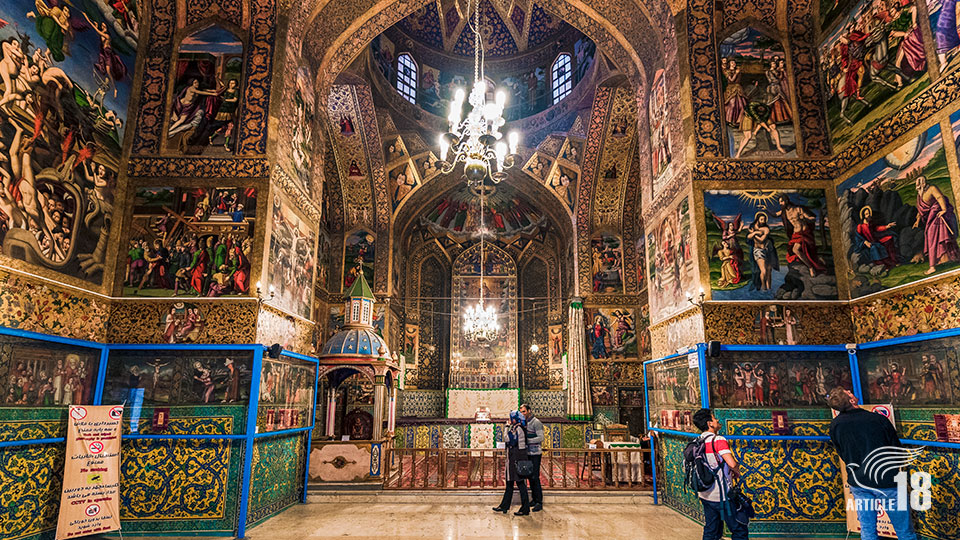
Vank Church
Isfahan
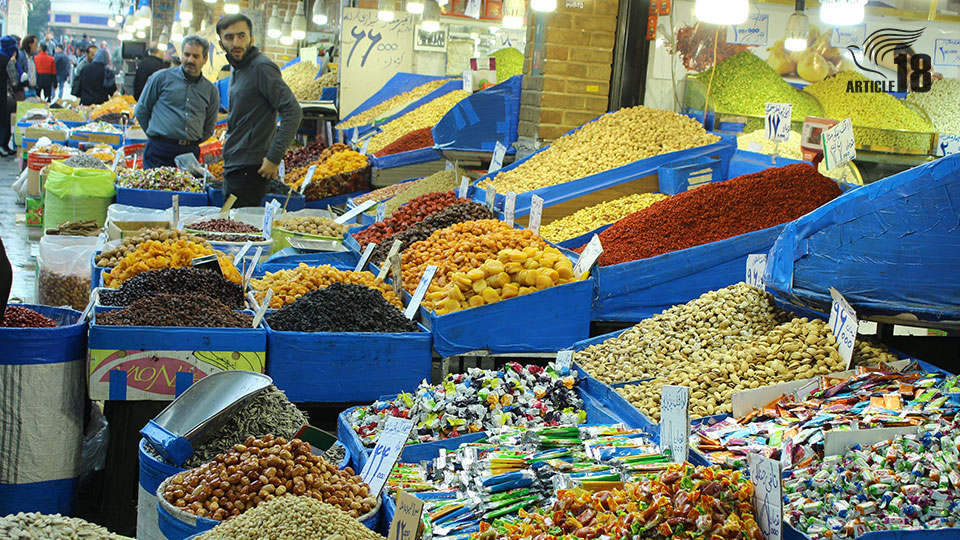
Grand Bazar
Tehran

The Coppersmiths' Market
Isfahan
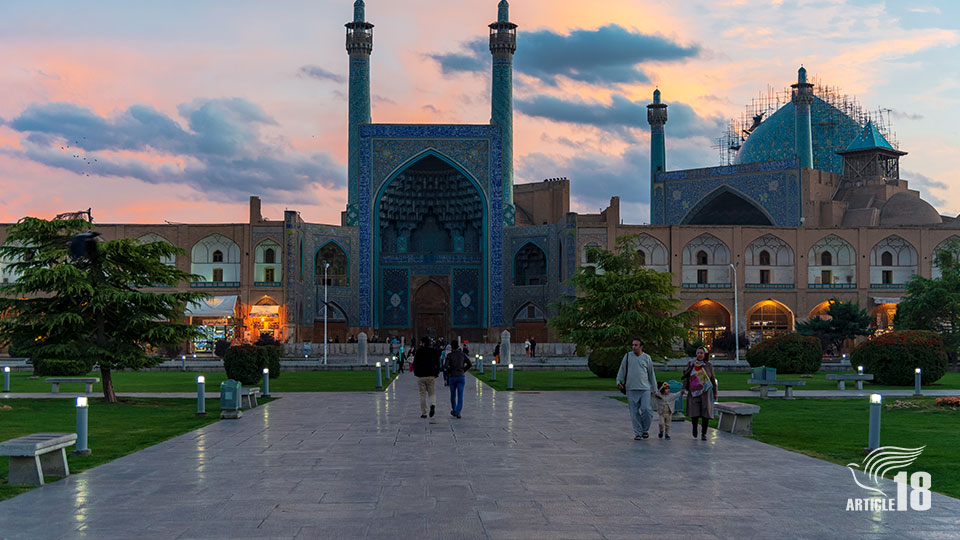
The Shah Mosque
Isfahan - also known as the New Abbasi Mosque or Royal Mosque

Azadi (freedom) Square
Tehran
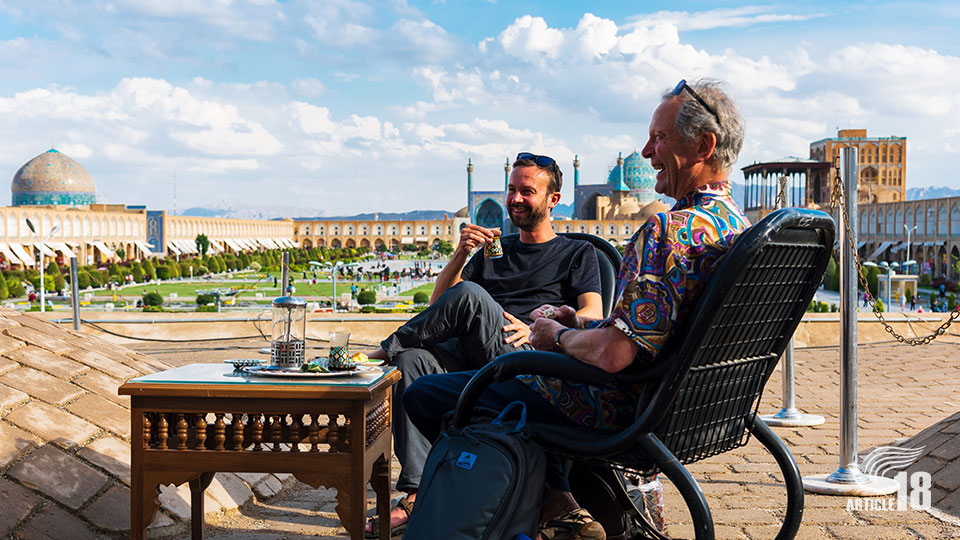
Tourists at Naghsh-e Jahan Square
Isfahan