Campaign's Deadline
Time is running out to make your voice heard. Let's stand together!
Give Persian-speaking Christians a #place2worship!
Why This Matters
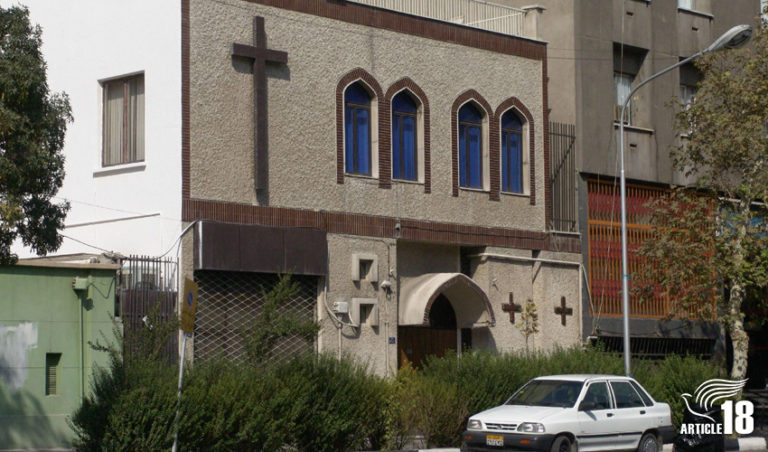
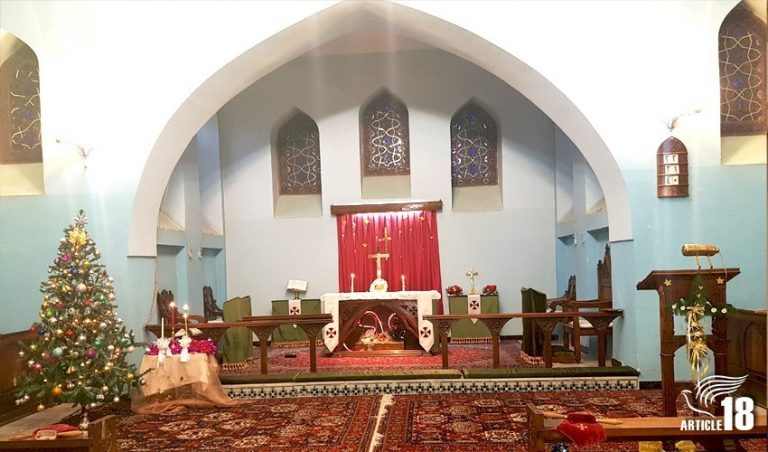
Persian-speaking Christians are now wondering where they can freely gather to worship. Their appeal for freedom of worship, expression, association and the right to peaceful assembly also addresses a wider issue shared with other religious communities who are similarly experiencing violations of FoRB and associated rights and freedoms. Consequently, improvements in the human-rights situation for Persian-speaking Christians would also benefit other minority religious and ethnic communities including Baha’is, Jews, Mandaeans, Sufi Muslims such as Gonabadi Dervishes, Sunni Muslims, Yarsans, Zoroastrians, and the non-religious.

Right to Worship
Advocating for the fundamental right to worship without fear of persecution.

Community Support

Protection of Rights
Take Action: Sign the Petition
Your signature can help us pressure the Iranian government to respect the religious rights of its citizens. Stand with us for freedom of worship.
WHAT IS ARTICLE18 CALLING FOR?
The following is required of the Iranian authorities:
- A satisfactory Answer to the question: “Where can Persian-speaking Christians worship collectively and freely?
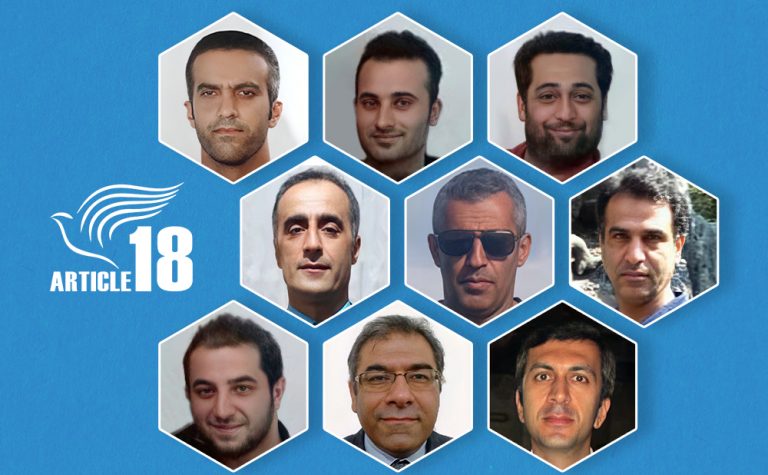
- The unconditional Release of Christian prisoners of conscience currently incarcerated or exiled for peacefully practising their religious belief;
- That they Stop their crackdown on house-churches, their leaders and attendees, and to all raids, arrests, prosecutions, imprisonments, and other forms of mistreatment against them.
Resent News & Updates

JOIN THE MOVEMENT
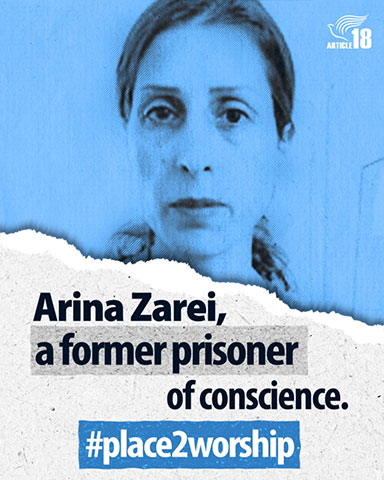
Arina Zarei
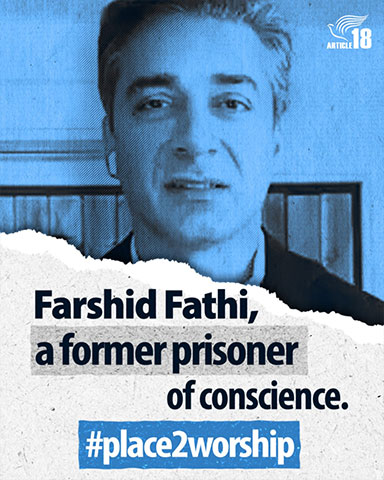
Farshid Fathi
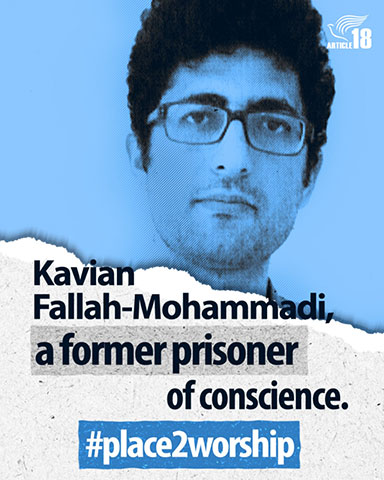
Kavian Fallah-Mohammadi
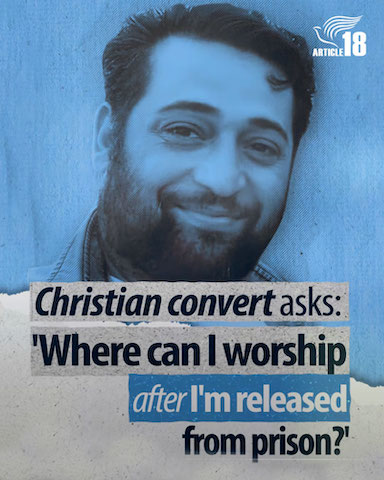
Babak Hosseinzadeh
Arina Zarei
Farshid Fathi
Kavian Fallah-Mohammadi
Babak Hosseinzadeh
What rights are Christians being denied?
THE RIGHT TO FREEDOM OF THOUGHT, CONSCIENCE AND RELIGION
THE RIGHT TO FREEDOM OF EXPRESSION
In 2021 changes were made to Articles 499 and 500 of Iran’s Islamic Penal Code, which ARTICLE 19, an organisation dedicated to the protection of freedom of speech, called “a full-on attack on the right to freedom of religion and belief”. The amended version of Article 500 provides for up to five years’ imprisonment for “any deviant educational or proselytising activity” by members of so-called “sects” that “contradicts or interferes with the sacred law of Islam” through “mind-control methods and psychological indoctrination” or “making false claims or lying in religious and Islamic spheres, such as claiming divinity”. Ever since the amendments were proposed, rights groups including Article18 have warned that the vaguely defined law could be used to further clamp down on unrecognised religious minorities, including Persian-speaking Christians, as the two articles were already routinely used in the prosecution of converts. Just a few months after the ratification of the new amendment, three Christian converts were sentenced to five years each in prison under the new law.